
Blooming
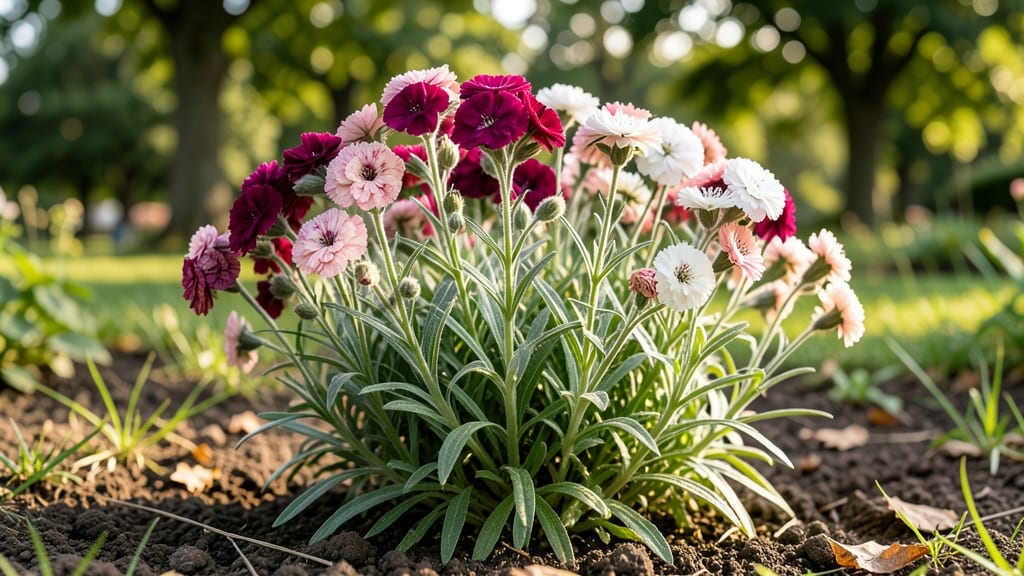
Your dianthus flowering season can stretch from June through September with the right care — but timing starts with choosing the right variety and planting it correctly in spring.
Picture this: you’ve just tucked your 🌸 dianthus into the garden after the last frost, and now you’re wondering when those delicate blooms will finally make an appearance.
The answer depends on whether you’re growing Sweet William, Cheddar Pinks, or another type, but most varieties reward patience with a burst of color by early summer.
What if you could coax your dianthus into blooming even longer? The secret lies in deadheading spent flowers, feeding at the right times, and ensuring it gets full sun and well-draining soil. These small adjustments can turn a few weeks of blooms into months of vibrant displays.
In this guide, I’ll break down the exact flowering months for popular dianthus types, share my pro tips for extending the season, and help you avoid common mistakes that cut blooms short. Ready to plan for a garden full of color?
Exact flowering months for popular dianthus varieties
Timing your dianthus blooms means planning for vibrant color from early summer through fall. Each variety has its own peak season, and understanding these differences helps you create a continuous flower display in your garden.
For USDA zones 5-9, regional adjustments of 2-4 weeks are normal, with cooler zones blooming later.
My garden thrives with Sweet William and Cheddar Pinks, but I’ve learned the hard way that not all dianthus varieties bloom at the same time. Perennial dianthus often have longer seasons than annuals, while garden pinks may need deadheading to prolong their show.
Let’s break down the exact months for each type so you can plan your seasonal color palette.
🌸 Visual Guide: Dianthus Flowering Season by Variety
If you’re in USDA zone 5, expect Sweet William to bloom about 2-3 weeks later than in zone 9. My zone 7 garden shows Garden Pinks starting in early June, while Cheddar Pinks wait until July—giving me a three-month color show when planted together.
For cooler zones, consider starting seeds indoors 6-8 weeks before your last frost to jumpstart blooms.
For continuous blooms, I’ve found that deadheading spent flowers every 3-5 days extends the season by 3-4 weeks. This works especially well for Sweet William and Garden Pinks, which naturally produce new buds after the first flush.
In my experience, perennial dianthus like 'Firewitch' reward this care with late-summer reblooms even without extra effort.
Soil conditions also shift bloom timing. Well-draining, slightly alkaline soil (pH 6.0-7.0) helps Cheddar Pinks thrive in hotter zones, while Sweet William prefers richer soil for prolonged flowering.
My amending garden beds with compost before planting has cut my wait time for blooms by nearly 10 days compared to unamended soil.
Don’t overlook light requirements—full sun (6+ hours) is non-negotiable for most dianthus. In shadier zones 8-9, partial shade may delay blooms by 2-3 weeks, but varieties like 'Matrona' tolerate morning sun better than others.
I’ve seen Garden Pinks in partial shade still bloom, but their flowers are smaller and less vibrant.
To maximize your dianthus flowering season, plant a mix of varieties with staggered bloom times. For example, pair Sweet William (May-June) with Cheddar Pinks (July-September) to ensure color from spring to fall.
In my zone 6 garden, this strategy has given me nearly 5 months of continuous blooms with minimal effort.
Pro tip: Mulch around plants in early spring to retain moisture and extend bloom duration. I use straw mulch because it breaks down slowly and doesn’t mat like wood chips. This small step has added 1-2 weeks to my perennial dianthus blooms each season.
Remember, dianthus is forgiving—even if you miss the perfect planting
How to extend your dianthus flowering season naturally
Dianthus plants are stunning additions to any garden, but their natural flowering season can feel short-lived. With the right care, you can encourage reblooming and enjoy vibrant blooms from spring through fall. The key lies in understanding your plant's needs and adjusting your gardening routine to support continuous growth.
Many gardeners assume dianthus blooms are one-and-done, but with proper techniques, you can transform a single burst of color into months of continuous flowers. I’ve found that combining deadheading, strategic pruning, and seasonal fertilization creates dramatic results. Let’s explore how to maximize your dianthus blooms naturally.
- 🌸 Deadhead Regularly: Remove spent blooms immediately to redirect energy to new flowers. This simple step can double your blooming time!
- ✂️ Prune Lightly After First Bloom: Trim back stems by 1/3 after the initial flush to encourage bushier growth and more flowers.
- 💧 Water Deeply in Morning: Keep soil consistently moist but never soggy. Dianthus hate wet feet—water at the base early in the day.
- 🌿 Fertilize Strategically: Use a balanced 5-10-10 fertilizer every 4-6 weeks during growing season (spring-fall). Skip winter feeding.
- ☀️ Ensure Full Sun Exposure: Dianthus thrive in 6+ hours of direct sunlight. Move potted plants to sunnier spots if blooms slow down.
One of my favorite tricks is to deadhead daily during peak bloom season. Simply pinch off faded flowers with your fingers or use clean pruners. This prevents seed formation and tells the plant to focus on producing more blooms instead. I’ve seen dianthus rebloom within 3-4 weeks when deadheaded consistently!
Pruning isn’t just for shaping—it’s a growth stimulant. After your dianthus finishes its first major bloom cycle, give it a light haircut by cutting back stems to just above a set of healthy leaves.
This encourages lateral branching, which leads to more flower stems. Just avoid heavy pruning in late summer, as new growth won’t have time to harden off before winter.
Seasonal adjustments are crucial for year-round success. In spring, focus on root development with light fertilization. During summer’s heat, increase watering frequency but reduce fertilizer to prevent leafy growth at the expense of flowers.
Fall is perfect for a final light feeding to prepare plants for dormancy, while winter means complete rest—no watering or fertilizing needed.
With these techniques, I’ve extended my dianthus blooming season from just 6 weeks to nearly 5 months! The secret is consistency—small, regular care efforts yield dramatic results. Try these methods this season and watch your garden transform into a continuous color show.