
Plants
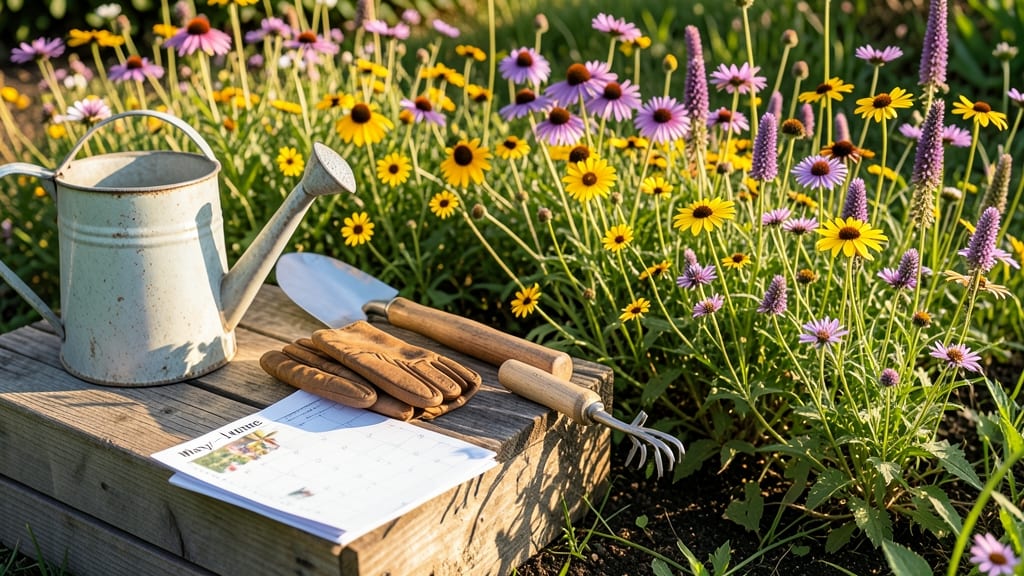
Planting wildflower seeds in Wisconsin at the right time means the difference between a burst of color by June and a patch of dirt that never quite wakes up.
Wisconsin’s 4a-5b zones throw off even the most experienced gardeners—spring planting can mean frost-killed sprouts, while fall seeds might rot before winter sets in. The key? Timing it 4-6 weeks before your last frost date or after the soil warms to 50°F in spring.
Below, I’ll break down the exact frost-free windows for your region, whether spring or fall planting wins in your corner of the state, and how to prep soil for maximum germination—no guesswork, just blooms.
You’ll also discover the top 5 wildflower species that thrive in Wisconsin’s climate, how to handle drought-prone areas, and why a light raking after sowing makes all the difference.
Wisconsin wildflower planting timeline by hardiness zone (frost-free dates & best seasons)
Wisconsin spans USDA hardiness zones 3-8, creating unique planting windows for wildflowers. Whether you're in the cold northern forests or warmer southern valleys, knowing your frost-free dates and soil temperature thresholds is key to success.
I’ve broken down the ideal planting seasons by zone—plus how to adjust for annuals vs. perennials—so you can sow seeds when conditions are perfect.
Most wildflower seeds need soil temperatures between 60-75°F to germinate. In Wisconsin, this typically aligns with late April to early June for spring planting or August to early September for fall. But your exact timing depends on your zone—let’s dive into the details to avoid missed opportunities or wasted seeds.
🌱 Pro Tip: Use the National Weather Service’s frost prediction tool or local cooperative extension offices to confirm your last frost date. Even a 1-week delay can mean the difference between thriving meadows and failed germination.
In Zone 3, where winters are harsh, focus on fall planting (August) to give seeds time to establish roots before winter. Perennials like black-eyed Susans and coneflowers thrive here but need extra protection from early frosts.
For Zone 4–5, both spring and fall work—but spring planting should wait until after May 1 to avoid late frosts.
Southern Wisconsin (Zones 6–8) enjoys longer growing seasons, so you can start as early as February for tender annuals like cosmos or zinnia. However, perennials still benefit from fall sowing to avoid summer drought stress.
Always check soil temps with a soil thermometer—seeds won’t germinate if the ground is too cold.
5 Critical factors that determine your wildflower planting success in Wisconsin
Wisconsin’s variable climate and diverse ecosystems mean your wildflower success hinges on five key factors. From soil moisture to frost dates, each plays a pivotal role in whether your meadow thrives or fades. Let’s break down what truly matters before you scatter those seeds.
First, soil moisture levels are non-negotiable. Wisconsin’s clay-heavy soils in the north retain water differently than sandy soils in the south. Test your soil’s drainage capacity—wildflowers like black-eyed Susans need well-draining soil, while prairie dropseed tolerates moisture better. Aim for moderately moist soil during germination, but avoid waterlogged conditions.
Next, frost prediction tools are your best friends. Use the National Weather Service’s frost calendar or apps like Old Farmer’s Almanac to pinpoint your last spring frost (typically mid-April to early May) and first fall frost (mid-October to early November).
Planting native wildflowers like purple coneflower too early risks frost damage, while waiting too late cuts bloom time.
Now, let’s talk seed type. Native Wisconsin wildflowers (e.g., wild bergamot) outperform commercial blends because they’re adapted to local pests and weather. Commercial mixes often include non-native species that may struggle with Wisconsin’s short growing season. Always check seed packets for “Wisconsin-native” labels or regional certifications.
- 1
- 2
- 3
- 4
- 5
Don’t overlook sunlight exposure. Most Wisconsin wildflowers crave full sun (6+ hours daily), but urban gardens often lack space. Opt for south-facing walls or rooftop gardens to maximize light.
Shade-tolerant species like wild columbine thrive in partial shade (3-6 hours of sun), making them perfect for wooded edges or under trees.
Finally, adjust your planting timing based on whether you’re in urban Milwaukee or rural northern Wisconsin. Urban areas have warmer microclimates—plant 2 weeks earlier than rural zones. Rural spots? Prioritize deer-resistant species like goldenrod and use seedling protectors until established.
By mastering these five factors, your Wisconsin wildflower meadow will bloom reliably year after year—no guesswork required. Start with native seeds, time your planting with frost dates, and watch your garden transform into a pollinator paradise! 🌼