
Flowers
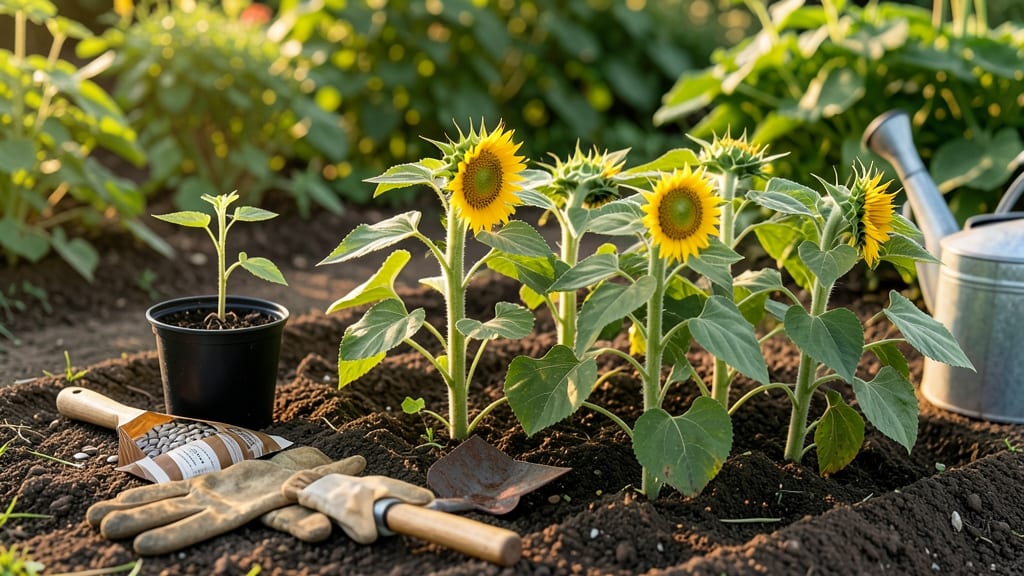
You can still plant sunflowers in July, but your success depends on choosing the right varieties and adapting to summer heat.
Picture this: a late-July planting of tall, golden 🌻 blooms standing strong until frost, their seeds ready for harvest. It’s not just possible—it’s a game-changer for extending your garden’s beauty into fall.
The key is selecting fast-maturing sunflowers that thrive in warm weather and giving them the care they need to beat the clock.
In cooler climates like USDA Zone 6a, July plantings might struggle with shorter daylight hours, but in warmer regions, they can flourish with the right soil prep and watering routine. Even in General growing areas, the right approach turns summer heat into an advantage rather than a roadblock.
Below, I’ll break down the best sunflower varieties for late-season planting, step-by-step care tips to maximize blooms, and how to extend their season even longer. Ready to turn your July garden into a sunflower showstopper?
Best sunflower varieties for July planting and their growth timelines
July planting might seem late for sunflowers, but with the right fast-maturing varieties, you can still enjoy vibrant blooms before frost. The key is selecting short-season cultivars that thrive in summer heat and produce flowers in 60-90 days.
These varieties bypass the typical spring planting window while still delivering stunning yellow and bi-color blooms that attract pollinators.
When choosing sunflowers for July, prioritize dwarf or semi-dwarf types that won’t topple in wind or compete for sunlight. Some varieties even produce edible seeds in time for fall harvests.
The secret lies in their heat tolerance and ability to mature quickly before shorter daylight hours trigger dormancy. Let’s explore the top performers for late-season planting.
| Variety | Days to Maturity | Height | Bloom Time | Frost Tolerance | Notes |
|---|---|---|---|---|---|
| 'Teddy Bear' (Dwarf) | 55-60 days | 18-36 inches | Late August | High | Child-friendly, compact, great for containers |
| 'Autumn Beauty' | 60-65 days | 5-6 feet | Mid-September | Moderate | Multi-colored petals, attracts birds |
| 'Moulin Rouge' | 55-60 days | 4-5 feet | Late August | High | Deep red petals, edible seeds |
| 'Russian Giant' | 80-120 days | 10-16 feet | October (if frost-free) | Low | Tallest variety, needs staking |
| 'Lemon Queen' | 60-65 days | 5-6 feet | Mid-September | Moderate | Bright yellow blooms, heat-tolerant |
For Zone 5-8 gardeners, varieties like 'Teddy Bear' and 'Moulin Rouge' are ideal—they bloom in 60 days or less, giving you vibrant flowers by late August.
If you're in warmer climates (Zones 9-10), you can push the limits with 'Russian Giant', though it requires strong support and may need extended-season techniques like row covers.
Remember that daylength affects flowering. Sunflowers planted in July experience shorter daylight hours as summer progresses, which can delay blooming. To counteract this, choose early-flowering varieties and plant seeds 1 inch deep in well-draining soil enriched with compost. This ensures strong root development to support quick maturation.
The color of your sunflowers isn’t just for aesthetics—it can indicate maturity. For example, 'Autumn Beauty' develops multi-colored petals as it matures, signaling it’s ready for pollinators. Meanwhile, 'Lemon Queen' maintains its bright hue until seed production begins, making it easy to monitor progress.
Both are excellent choices for cut flowers or wildlife gardens.
If you're aiming for edible seeds, prioritize varieties like 'Moulin Rouge' or 'Russian Giant'. These produce large, nutrient-dense seeds that ripen just in time for fall harvesting.
However, be prepared to harvest seeds before frost, as cold temperatures can ruin their quality. Store seeds in a cool, dry place for future planting.
July might feel like the wrong time to plant sunflowers, but with the right approach, you can still grow vibrant blooms before frost. The key is choosing fast-maturing varieties and creating ideal conditions to combat summer heat. I’ve planted sunflowers in July for years, and these strategies ensure success even in the hottest months. Sunflowers planted in July need consistent moisture and well-draining soil to thrive. Without proper care, they may bolt too quickly or wilt under the stress of summer heat. My secret? Focus on deep watering, shade protection during peak heat, and selecting varieties with 60-day maturity or less. If your sunflowers start to bolt prematurely (shoot up too fast), it’s likely due to heat stress. To fix this, move plants to a cooler, shadier spot and increase watering frequency. For wilting leaves, check soil moisture—sunflowers in July need consistent hydration to combat evaporation. With these steps, your July-planted sunflowers will reward you with bright blooms by late August or early September. Just remember: patience and consistency are key when gardening in the heat! 🌻Step-by-step guide to planting sunflowers in July for maximum blooms
🌱 Step-by-Step Guide to Planting Sunflowers in July