
Flowers
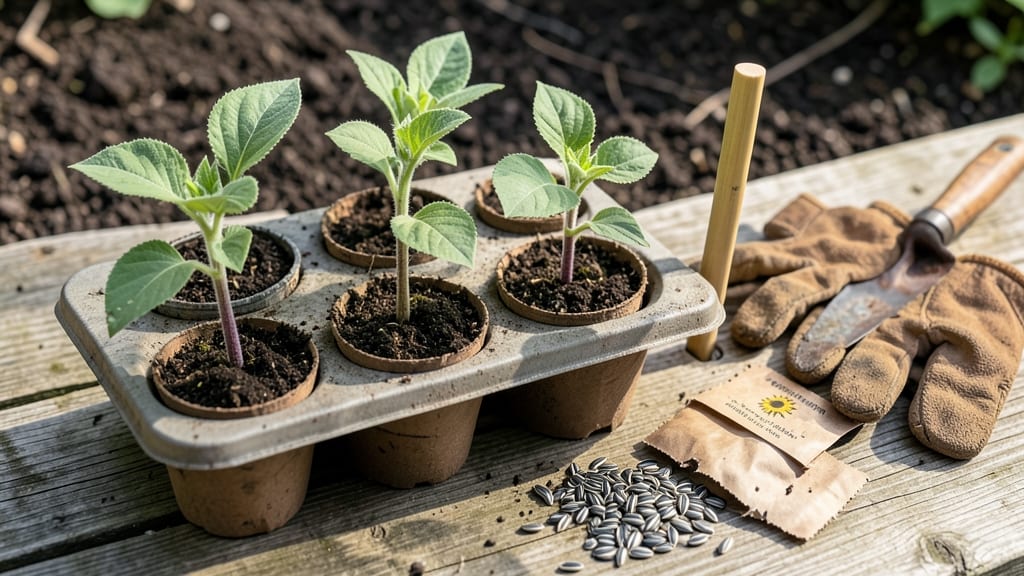
Planting sunflowers in Kansas after the last frost date—typically mid-April to early May—sets them up for towering, vibrant blooms that can reach 12 feet tall.
Sunflowers bring joy and color to Kansas gardens—but planting them at the wrong time can mean wilted dreams before they even bloom. Timing is everything, and knowing your frost-free zone is the secret to sunflowers that tower over your yard like golden sentinels.
Kansas' USDA Zones 5b–7a mean your exact planting window depends on where you live, but most gardeners aim for soil temperatures above 55°F to kickstart growth.
In this guide, I’ll break down the best planting times by zone, how to prep your soil for Kansas’ unpredictable weather, and the top varieties that thrive in the region—so you can enjoy sunflowers from summer through fall.
Kansas sunflower planting timeline by hardiness Zone (5-8)
Sunflowers thrive in Kansas’ sunny climate, but their planting window depends heavily on your USDA hardiness zone and last frost date. In Zone 5a, where winters are colder, you’ll need to wait until late spring, while Zone 8b gardeners can enjoy extended fall plantings.
The key is planting when soil temperatures reach at least 55°F—this ensures strong germination and rapid growth before Kansas’ unpredictable heat waves arrive.
For most Kansas regions, spring planting begins in early April for southern zones and late April to early May for northern areas. Fall plantings, however, are a hidden gem—sowing seeds in late summer (August) allows sunflowers to mature before the first frost, giving you a second burst of golden blooms.
This works especially well for late-season varieties like 'Autumn Beauty' or 'Moulin Rouge'.
Soil temperature is your best friend when planning. Use a soil thermometer to confirm readiness—sunflower seeds need consistent warmth to sprout. In Kansas, this typically means waiting until after Mother’s Day in northern zones, while southern gardeners can start as early as mid-March under row covers.
Don’t rush—cool soil leads to poor germination and leggy seedlings.
Here’s your zone-by-zone planting timeline, including frost-free dates and ideal windows for both spring and fall sunflowers to maximize blooms:
For spring plantings, aim to sow seeds 1/2 inch deep and 12–18 inches apart (closer for dwarf varieties). In Kansas’ Zone 5a–6a, use black plastic mulch to warm soil faster and deter weeds.
If you’re planting in containers, start seeds indoors 4–6 weeks before your last frost date—sunflowers grow quickly and need space to thrive.
Fall plantings are a Kansas gardener’s secret weapon. By sowing in late August, you’ll catch the tail end of summer heat while avoiding early frosts. Choose heat-tolerant varieties like 'ProCut' or 'Energy' for fall harvests.
Water deeply after planting, and mulch with straw to retain moisture as temperatures drop. These sunflowers will bloom in late summer to early fall, providing nectar for pollinators when other flowers fade.
Pro tip: Monitor your local K-State Extension forecasts for unpredictable frost warnings. In Zone 7a–8b, you might even squeeze in a third planting in early July for a mid-summer harvest.
Just ensure seeds have 60–75 days to mature before the first frost—most sunflowers need 80–120 days total, depending on the variety.
Remember,
How to adjust sunflower planting for Kansas weather extremes
Kansas weather can swing from freezing nights to scorching heatwaves in a single season, making sunflower success a balancing act. These hardy but sensitive plants need strategic adjustments to thrive despite unpredictable conditions. I’ve learned that mulching and shade cloth aren’t just nice-to-haves—they’re survival tools for Kansas gardeners.
First, let’s tackle the early frost threat that can sneak in before your sunflowers are ready. Even if you follow the optimal planting window, a late-May frost can turn your seedlings into crispy snacks.
I’ve seen this happen in Zone 6 when planting too early, so timing is critical. The key is to monitor soil temperatures and wait until they hit at least 55°F—consistently—for 7–10 days.
⚠️ callout-warning ⚠️
Even in Zone 7+, late spring frosts can occur. Plant after May 15th in northern Kansas to avoid damage. Use row covers if frost threatens after germination.
For dwarf varieties, consider starting indoors 2–3 weeks before the last frost date to give them a head start.
🌱 Pro Tip: Test soil warmth with a soil thermometer—sunflowers won’t sprout below 55°F.
For drought conditions, which are becoming more common in Kansas, deep watering is your best friend. I’ve found that mulching with straw or wood chips retains 30% more moisture in the soil, reducing the need for frequent watering.
Apply a 3-inch layer of mulch around your plants, keeping it 2 inches away from the stem to prevent rot.
When heatwaves hit—especially in July and August—sunflowers can bolt prematurely or develop sunscald on their leaves. To combat this, I use lightweight shade cloth (30–50% shade) during the hottest afternoon hours.
This trick has kept my giant sunflowers from wilting and extended their blooming season by up to 2 weeks.
Another trick I’ve picked up from local K-State Extension recommendations is to plant in blocks rather than rows. This creates a microclimate that retains moisture and moderates temperature swings.
For late summer plantings (August), choose fast-maturing varieties like ‘Moulin Rouge’ or ‘Autumn Beauty’, which can bloom in 60–70 days and avoid the first frost.
Finally, don’t overlook the soil preparation step. Amend your soil with compost before planting to improve water retention and nutrient availability.
Sunflowers are heavy feeders, so a balanced fertilizer (like 10-10-10) applied at planting and again when they’re 1 foot tall will give them the boost they need to recover from stress.