
Flowers
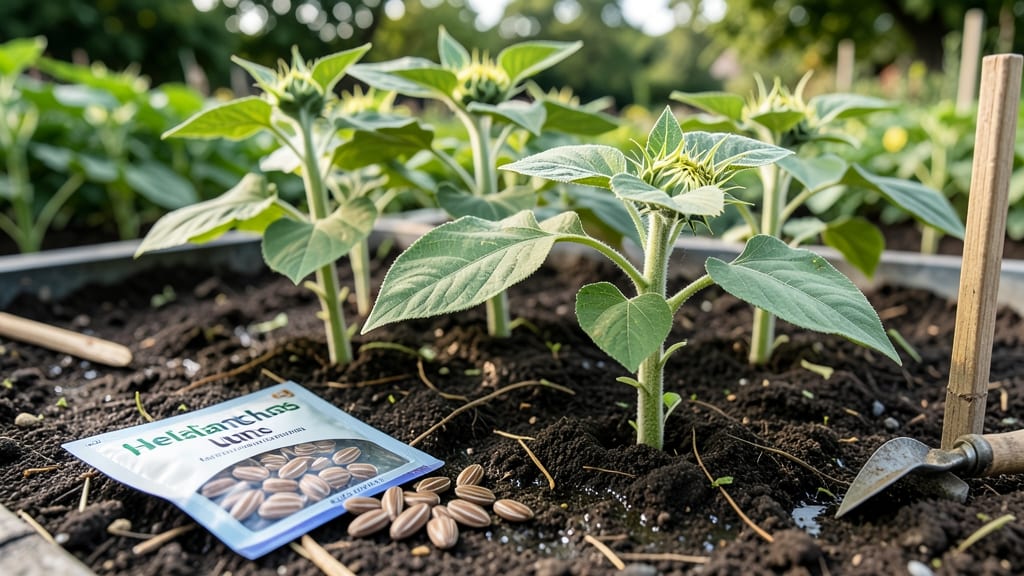
To plant sunflowers in Maine after the last frost date—around mid-May—sets the stage for fast, vibrant blooms by summer’s end.
Maine’s short growing season can make or break your sunflower harvest, but timing it right ensures towering 🌻 stalks before the first frost in October.
Whether you’re in coastal zone 5b or inland 6b, the difference between a thriving garden and a failed crop often comes down to when you drop those seeds in the soil.
Direct sowing after the soil warms to at least 50°F is key—too early and frost will nip seedlings, too late and you’ll miss the 150-180 frost-free days sunflowers need to mature. I’ll walk you through the exact frost-date windows, soil prep tricks, and how to adjust for Maine’s unpredictable springs.
By the end, you’ll know not just when to plant, but how to give your sunflowers the best shot at reaching their full height—even in Maine’s cooler climate. Let’s get those seeds in the ground the right way.
Maine’s sunflower planting timeline by hardiness Zone (with frost date calculator)
Maine’s cool climate and short growing season demand precise timing for sunflower success. Whether you're in Zone 3 (northern Maine) or Zone 5 (southern coastal areas), planting too early risks frost damage, while late planting cuts harvest potential.
The key? Align your schedule with soil temperatures and frost-free windows—typically between May 15 and June 15, depending on your zone.
Sunflowers thrive with direct sowing (not transplanting), so plan to plant seeds 1-2 weeks after your last frost date. In Maine, this usually means waiting until soil reaches 50°F—a threshold critical for germination.
Coastal areas (like Zone 5b) often see warmer soils 2-3 weeks earlier than inland regions, so adjust accordingly. For example, Portland gardeners can start in early May, while Bangor may need to wait until mid-June.
⚠️ PRO TIP: Use a frost date calculator (like the [National Weather Service’s tool](https://www.weather.gov/)) to pinpoint your exact window. Enter your ZIP code, and it’ll show your average last frost date—then add 2 weeks for safe planting. For instance, if your last frost is May 20, aim for June 3 to avoid surprises.
If your spring arrives early or late, flexibility is key. For a warm early spring (like 2023’s record heat), you can plant 2 weeks ahead of the table’s recommendations—just monitor soil temps with a soil thermometer ($10 at garden centers).
Conversely, if frost lingers (as in 2018’s late spring), opt for fast-maturing varieties like ‘Early Bird’ (55 days to maturity) or ‘Autumn Beauty’ (60 days). These can squeeze into a shorter season while still yielding 6–8 ft stalks.
Direct sowing is the best method for Maine sunflowers—transplants struggle with root shock in cool soils. Plant seeds 1 inch deep and 6–12 inches apart (closer for dwarf varieties). In Zone 3, use black plastic mulch to warm soil and extend the season by 10–14 days.
For Zone 5, focus on succession planting: sow a second batch July 1–15 for late-summer blooms, though these may not reach full height.
Watch for false starts—sunflowers can germinate in cool soil but stunt without warmth. If seedlings emerge but falter, thin to the strongest 3–4 plants per foot and protect them with row covers during unexpected cold snaps (common in Maine’s May–June).
In my Zone 4 garden, I once lost a batch to a late-May frost—since then, I’ve added cloche protection until stems are pencil-thick.
Timing isn’t just about frost
5 Critical factors that determine sunflower success in Maine’s climate
Maine’s cool, wet springs and unpredictable weather can turn sunflower gardening into a gamble—but the right strategies turn that gamble into a sure bet. While planting dates matter, soil health, drainage, and wind protection often make the difference between floppy stems and towering, vibrant blooms.
Let’s break down the 5 non-negotiable factors for sunflower success in your backyard.
First, soil preparation sets the foundation. Sunflowers thrive in well-draining, nutrient-rich soil with a pH between 6.0 and 7.5. Maine’s clay-heavy or sandy soils often need amendments like compost or aged manure to improve structure and fertility.
Test your soil in early spring—this gives you time to adjust before planting season kicks off.
Drainage is your next battle. Waterlogged soil leads to root rot, a silent killer in Maine’s damp climate. If your garden sits in a low spot or has poor drainage, consider raised beds or mounding soil around plants. A simple percolation test (dig a hole, fill with water, and time how long it drains) can save your sunflowers from a watery grave.
Maine’s prevailing winds can snap sunflower stems like twigs, especially in exposed areas. Windbreaks—whether a fence, tall stakes, or even a row of corn—are essential.
For coastal gardens, consider staking individual plants early to prevent toppling. I’ve seen 10-foot sunflowers flattened by a single storm; don’t let that be you!
Companion planting is a game-changer for Maine gardeners. Sunflowers pair beautifully with bush beans, which fix nitrogen in the soil, or marigolds, which repel pests like nematodes. Avoid planting them near potatoes, though—sunflowers compete for nutrients and can stunt their growth. A well-planned garden layout can boost yields by 20-30%.
Finally, black stem rot is the silent villain of Maine sunflower gardens. This fungal disease thrives in cool, wet conditions and can decimate your crop if unchecked. To mitigate it, space plants properly (12-18 inches apart), avoid overhead watering, and remove infected plants immediately.
Crop rotation and sterilizing tools between uses can also reduce risk.
With these 5 critical factors in check, your sunflowers will stand tall and proud—even in Maine’s unpredictable climate. Happy gardening! 🌻