
Flowers
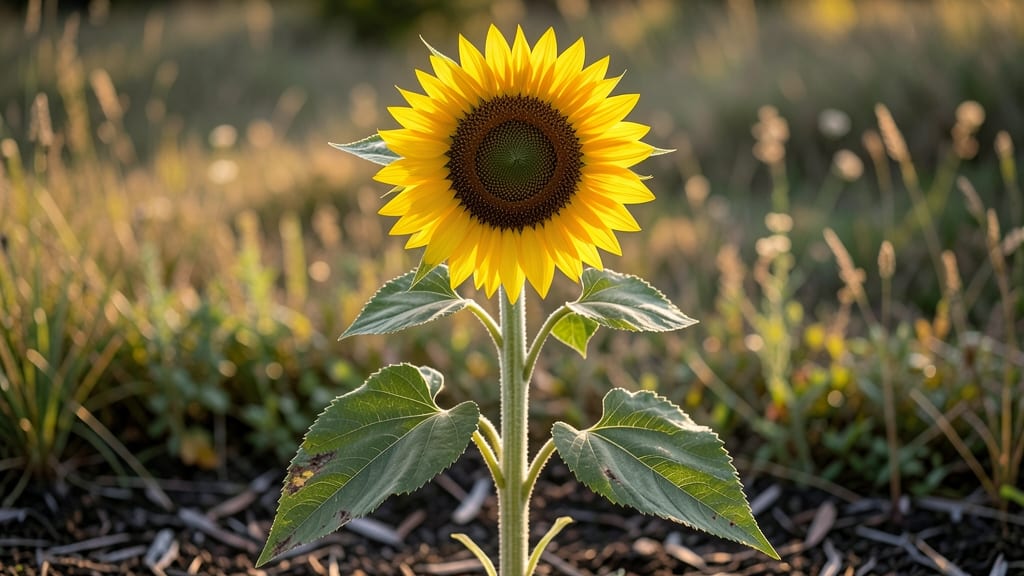
Sunflowers can grow anywhere from 1 foot to over 16 feet tall, depending on the variety and growing conditions — a range that makes them one of the most dramatic plants in your garden.
Picture this: a tiny Teddy Bear variety at 3 feet, perfect for containers, standing next to a Russian Giant that towers like a two-story house. That’s the kind of height contrast sunflowers bring, and it all starts with the seeds you choose.
But size isn’t just about aesthetics — it affects everything from spacing in your garden to whether you’ll need stakes for those 12-foot behemoths. Below, I’ll break down the height ranges by variety, how to support tall types, and why some stay short no matter what you do.
Whether you’re growing sunflowers for cut flowers, bird feeders, or just backyard drama, knowing their potential height helps you plan for success from day one.
Sunflower height ranges by variety: from dwarf to giant
One of the most fascinating aspects of growing sunflowers is their incredible height variation. From tiny Teddy Bear varieties that stay under 3 feet to towering Russian Giants that can reach 16 feet, sunflowers offer something for every garden size.
The height you can expect depends entirely on the variety you choose, with some perfect for containers while others need wide-open spaces to stretch their legs.
Understanding these height ranges helps you plan your garden layout, choose the right support structures, and even decide whether to grow sunflowers for cut flowers, bird feeders, or simply as dramatic focal points. Let's explore the four main height categories and the best varieties in each.
The dwarf varieties like Teddy Bear are perfect for small spaces, containers, or even window boxes. These sunflowers typically reach 1-3 feet tall and produce cheerful, child-friendly flowers that bloom early in the season.
Their compact growth habit makes them ideal for urban gardens where space is limited, and they often produce multiple blooms per stem.
For a more substantial presence without overwhelming your yard, medium-height varieties like Autumn Beauty offer the perfect balance. These sunflowers grow 3-6 feet tall and produce stunning, long-lasting blooms that are excellent for cut flower arrangements. Their height makes them perfect for mixed borders or as accents behind shorter perennials.
When you're ready to make a statement, tall varieties like Mammoth will deliver dramatic results. These sunflowers can reach 6-12 feet tall and are perfect for creating focal points in your garden.
They require sturdy stakes or cages to support their weight, especially in windy conditions. Their large seed heads make them excellent for bird feeders once they've finished blooming.
The true giants of the sunflower world are the Russian Giant varieties, which can surpass 16 feet in height. These are the sunflowers that make you feel like you're in a fairy tale or a giant's garden.
They require ample space, rich soil, and often need additional support like bamboo stakes or trellises. Their massive seed heads can weigh 10 pounds or more when fully mature!
If you're growing sunflowers for cut flowers, medium-height varieties like ProCut are often the best choice. They produce long-lasting blooms with sturdy stems that hold up well in vases.
For bird feeders, taller varieties like Russian Giant are ideal as their large seed heads provide abundant food for finches and other seed-eating birds.
Remember that sunflower heights can vary based on growing conditions. Plants grown in full sun with rich, well-draining soil will generally reach their maximum potential height.
In contrast, those grown in partial shade or poor soil may stay shorter than expected. Always check the specific variety's requirements when planning your garden layout.
For container growing, stick to the dwarf varieties as they'll be happiest in pots. Use containers that are at least 12 inches deep and provide good drainage. Larger containers can accommodate slightly taller varieties, but remember that root space is limited, which may affect their ultimate height.
Whether you're dreaming of a whimsical dwarf sunflower for your patio or a towering giant that will dwarf your entire garden, there's a sunflower variety perfect for your space.
The key is choosing the right type for your garden's size and your personal preferences—whether that means cheerful miniatures or breathtaking giants.
How growing conditions affect sunflower size: sun, soil, and space
Sunflowers thrive when given the right growing conditions, but their final height depends heavily on three key factors: sunlight exposure, soil quality, and spacing requirements.
A Russian Giant sunflower planted in poor soil might only reach half its potential height, while the same variety in rich, well-drained soil could soar to 12+ feet. Even dwarf varieties like 'Teddy Bear' need optimal conditions to stay compact.
Let’s break down how each factor influences sunflower size and what you can do to optimize growth for your desired height. Whether you’re aiming for a 6-foot privacy screen or a 16-foot towering beauty, understanding these variables will help you achieve the perfect size.
The right balance of sun, nutrients, and space can push your sunflowers to their genetic potential—or keep them shorter if that’s what you prefer.
Growing Conditions vs. Sunflower Height
✅ Ideal Conditions
- Sunlight: 8+ hours/day
- Soil: Loamy, well-drained
- Spacing: 18-24" apart
- Water: Deep, consistent
- Result: Max height potential
❌ Suboptimal Conditions
- Sunlight: <6 hours/day
- Soil: Compacted or poor
- Spacing: Overcrowded
- Water: Inconsistent or drought
- Result: Stunted growth
🌱 Pro Tip: Use staking for tall varieties (10+ ft) to prevent lodging and maximize height.
Sunlight is the most critical factor for sunflower height. These plants are heliotropic, meaning they follow the sun’s movement during the day. Full sun exposure (6-8+ hours daily) ensures robust stem development and larger flower heads.
If your sunflowers are growing in partial shade, expect them to stay 30-50% shorter than their potential. For example, a Mammoth variety might only reach 8 feet instead of 12 feet.
Soil quality directly impacts nutrient uptake, which fuels growth. Sunflowers prefer well-draining, slightly acidic soil (pH 6.0-7.0).
Amend heavy clay soil with compost or sand to improve aeration, and add phosphorus-rich fertilizer at planting to encourage strong root and stem development. Nitrogen-heavy soils can lead to lush foliage but weaker stems, causing sunflowers to flop or break under their own weight.
Spacing plays a surprising role in sunflower height. Overcrowded plants compete for nutrients and sunlight, resulting in shorter, weaker stems. Follow these guidelines: dwarf varieties (1-3 ft) need 12" spacing, medium varieties (3-6 ft) require 18", and tall/giant varieties (6-16 ft) need 24-36".
Proper spacing also improves air circulation, reducing the risk of fungal diseases that can stunt growth.
Watering habits can make or break your sunflowers' height.
While they’re drought-tolerant once established, consistent moisture during the first 6-8 weeks is crucial for strong stem development. Deep watering (1-2 inches per week) encourages deep root growth, while shallow or irregular watering leads to weak stems and shorter plants.
Avoid overhead watering in the evening to prevent fungal infections like powdery mildew, which can stress plants and limit their growth potential.
To maximize height for tall varieties, consider support structures like bamboo stakes or tomato cages. These provide stability and prevent lodging, allowing sunflowers to reach their full genetic height.
For shorter varieties, focus on pruning side shoots to direct energy toward the main stem, ensuring a straighter, sturdier plant. With the right conditions, you’ll be rewarded with sunflowers that match—or even exceed—your expectations! 🌻