
Blooming
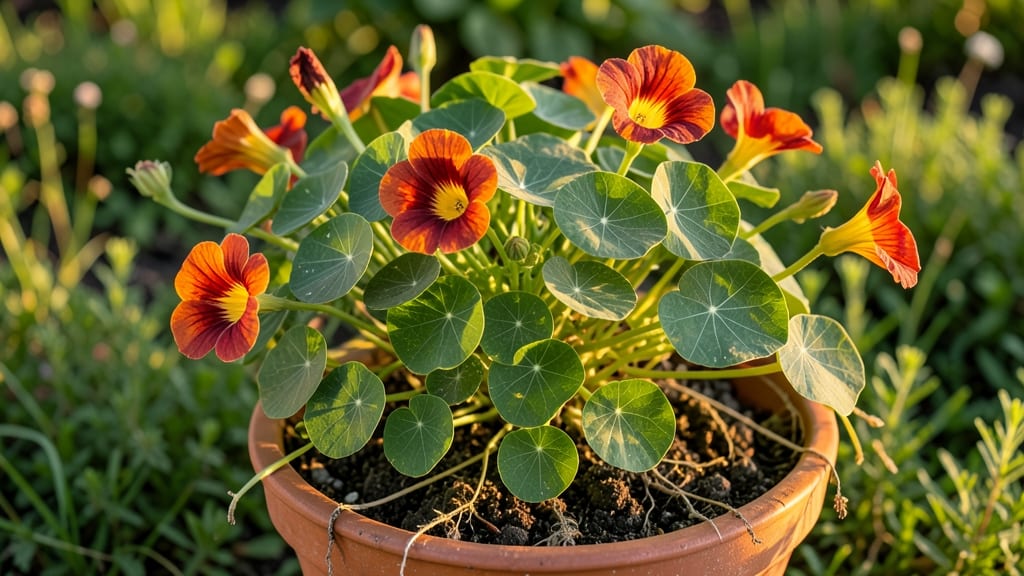
Nasturtiums typically flower in 4–6 weeks after planting, but with the right care, you can shave weeks off that timeline and enjoy vibrant blooms sooner.
If you’ve ever waited impatiently for those bright 🌸 faces to pop up, you’re not alone. These cheerful annuals are fast growers, but light, soil, and even variety play a bigger role than you might think.
Below, I’ll walk you through the exact conditions that speed up blooming—plus the 3 tricks that cut weeks off your wait time.
From picking the right spot to deadheading like a pro, you’ll learn how to turn 6 weeks into 3 without sacrificing those stunning orange, yellow, or red flowers.
Nasturtium flowering timeline: from seed to bloom in weeks
Nasturtiums are one of the fastest annual flowers to bloom, often delighting gardeners with their bright orange, yellow, and red blooms just 4-6 weeks after planting. However, the exact timeline depends on several factors like seed variety, sunlight exposure, and soil conditions.
Understanding these stages helps you set realistic expectations and optimize growing conditions for earlier blooms.
From the moment you plant those tiny seeds, nasturtiums follow a predictable growth pattern. The journey begins with seed germination, followed by leaf development, and finally the emergence of those vibrant flowers. Each stage requires specific care to ensure your plants reach their blooming potential without unnecessary delays.
🌱
Your nasturtiums' first stage is seed germination, which typically occurs within 5-14 days under ideal conditions. To speed this up, maintain soil temperatures between 60-75°F and keep the soil consistently moist. Direct sunlight isn't needed yet, but bright, indirect light helps prevent leggy seedlings.
Once your seeds sprout, the seedling growth stage begins, lasting about 2-3 weeks. During this time, your nasturtiums will develop their first true leaves. This is when you should thin seedlings to 6-12 inches apart to give each plant room to grow.
Providing 6+ hours of sunlight daily ensures strong, healthy stems ready for the next growth phase.
🌿
The vegetative stage is where your nasturtiums focus on leaf and stem development, typically lasting 3-4 weeks. This is the perfect time to apply a light fertilizer with a balanced NPK ratio (5-10-10) to encourage robust growth.
However, avoid over-fertilizing, as this can lead to excessive foliage at the expense of flowers. Monitor for pests like aphids, which love young nasturtium leaves.
After about 6-8 weeks total, you'll notice the first signs of bud formation. These tiny buds signal that your plants are ready to flower. This stage lasts 1-2 weeks, during which maintaining full sun exposure is critical.
If you notice buds forming but not opening, check for adequate sunlight—nasturtiums need at least 6 hours of direct sun daily to produce vibrant blooms.
Finally, your patience pays off with full bloom, typically occurring 4-6 weeks after planting. Once flowers appear, regular deadheading (removing spent blooms) encourages continuous flowering throughout the growing season. In optimal conditions, nasturtiums can produce flowers from early summer until frost, providing months of vibrant color.
🌸
Several factors can delay flowering, including insufficient sunlight, poor soil drainage, or overcrowding. If your nasturtiums take longer than 8 weeks to bloom, check their growing conditions. Move them to a sunnier spot, improve soil drainage with compost, or thin out overcrowded plants.
With the right care, you can enjoy those cheerful blooms sooner than expected.
3 Proven tricks to make nasturtiums flower faster
If you're eager to see those vibrant nasturtium blooms sooner, you're not alone! While nasturtiums typically flower in 4-6 weeks from seed, these cheerful plants respond beautifully to a few simple tricks. The key lies in understanding how to encourage rapid growth without overwhelming the plant.
I've tested these methods in my own garden, and they consistently deliver faster blooms—sometimes cutting that timeline by 2-3 weeks!
Let's dive into the three most effective strategies: pruning for bushiness, strategic fertilizing, and light optimization. Each plays a crucial role in accelerating your nasturtiums' flowering schedule. The best part? These tricks work for both container-grown and in-ground plants, making them versatile for any garden setup.
🌱 Numbered Highlights: Speed Up Nasturtium Blooms
- Prune wisely: Pinch back tips of vines when they reach 6 inches—this forces bushier growth and more flower buds in just 2-3 weeks.
- Fertilize lightly: Use a 5-10-10 balanced fertilizer once at planting—over-fertilizing delays blooms by promoting leafy growth instead of flowers.
- Maximize sunlight: Place pots in south-facing spots or move in-ground plants to full sun areas—6+ hours daily cuts flowering time by 1-2 weeks.
One common mistake I see gardeners make is overwatering nasturtiums. These plants thrive on drought-like conditions—watering too frequently can lead to root rot and delayed blooms. Stick to weekly watering (or every 5-7 days in containers) and let the soil dry slightly between sessions.
This might seem counterintuitive, but it actually speeds up flowering by reducing stress on the plant.
Another overlooked trick is deadheading spent blooms. While this might seem like extra work, removing faded flowers encourages continuous blooming throughout the season. I like to do this on weekly basis—just pinch off the old flowers with your fingers.
This simple habit can extend your nasturtium's bloom time by up to 4 weeks, giving you those cheerful colors longer.
For container gardeners, choose smaller varieties like 'Alaska' or 'Jewel Mix'—they flower faster and are perfect for pots. If you're growing nasturtiums in ground beds, mix in a little compost at planting time to provide nutrients without overfeeding.
Remember, nasturtiums are light feeders, so less is often more when it comes to fertilizer.
Finally, keep an eye out for pests like aphids, which can stress your plants and delay blooming. A quick spray of neem oil or introducing ladybugs can keep these pests in check.
Healthy plants with minimal stress will reward you with faster, more abundant blooms—exactly what you're aiming for!