
Flowers
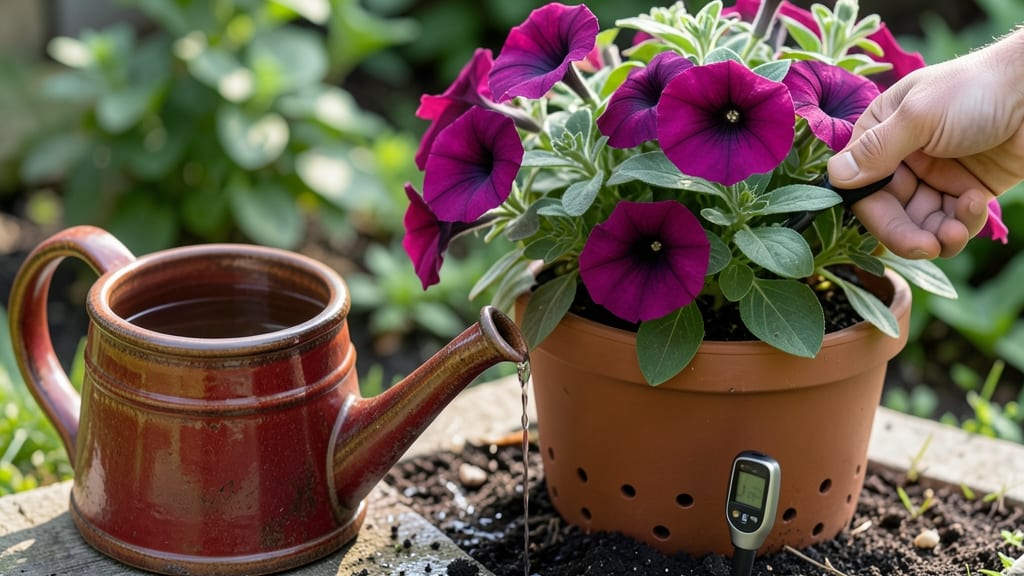
Watering potted flowers the right way keeps them thriving without the guesswork—most need water every 2 to 3 days in spring, but that changes with pot size, sun, and soil.
Struggling to keep your 🌸 blooms happy? Overwatering or underwatering can both spell disaster—here’s the science-backed schedule to keep them lush without guesswork.
Your potted flowers depend on you for moisture, but too much or too little can stunt growth or invite pests. The key is checking soil moisture before watering, adjusting for heat waves, and knowing when to let the soil dry out.
Below, I break down the exact schedule by season, how to tell if your plants are thirsty (or drowning), and the one tool that saves you from overwatering every time.
The soil-moisture test: how to water flowers in pots correctly
Watering potted flowers isn’t just about keeping soil damp—it’s about understanding your plants’ unique needs. Too much water drowns roots, while too little causes wilting and stunted growth.
The key lies in testing soil moisture before watering, so you can adjust your schedule based on pot size, plant type, and weather conditions. Let’s break down the science-backed methods to keep your flowers thriving.
Most gardeners make the mistake of watering on a fixed schedule, but potted flowers need a more personalized approach. For example, a 5-gallon pot of petunias might need watering every 2-3 days in summer, while a small succulent in a 2-inch pot could go 2 weeks without water.
The secret? Checking soil moisture before you water. Here’s how to do it right.
Stick your finger 1-2 inches deep into the soil. If it feels dry, it’s time to water. If it’s still moist, wait another day.
Lift the pot—dry soil feels light, while moist soil makes the pot heavier. This works best for clay or ceramic pots where soil weight is noticeable.
For expensive plants or succulents, use a digital moisture meter. Insert the probe into the soil and follow the color-coded readings (e.g., green = moist, red = dry).
Smaller pots (2-4 inches) dry out faster than larger ones (5+ gallons). Always use pots with drainage holes and water until it flows from the bottom.
Instead of light, frequent watering, give your flowers a deep soak until water drains out the bottom. This encourages strong root growth and prevents shallow roots.
Succulents (e.g., jade, echeveria): Water every 2-3 weeks.
Tropicals (e.g., ferns, impatiens): Keep soil consistently moist.
Annuals (e.g., marigolds, geraniums): Water every 1-2 days in summer.
Now that you’ve mastered the soil-moisture test, let’s talk about how often to water based on your local climate. In hot, dry summers, most potted flowers will need watering every 1-2 days, while cool, humid springs might only require watering every 3-4 days.
Always water in the early morning to reduce evaporation and fungal risks.
Pay attention to your plants’ visual cues—wilting leaves or yellowing edges often signal underwatering, while mushy stems or brown roots mean overwatering. If you notice crusty soil on the surface, it’s a sign the top layer is dry, but the roots below might still be moist.
Always check deeper than the surface!
For terracotta or unglazed pots, watering may be needed more frequently because they wick moisture away. On the other hand, plastic pots retain moisture longer, so they dry out more slowly. Pro tip: Group pots together to create a microclimate that regulates humidity and reduces watering frequency.
If you’re still unsure, start a watering journal. Note the date, time, and amount of water used, along with your plant’s response. Over time, you’ll spot patterns and adjust your routine.
For example, my basil plants in 6-inch pots need watering every morning in July, while my orchids in 4-inch pots thrive on weekly misting.
Remember, the goal isn’t to keep soil constantly wet—it’s to maintain even moisture without waterlogging. With these methods, your potted flowers will stay healthy, vibrant, and blooming all season long. Happy gardening!
Seasonal watering schedule for potted flowers: summer vs. winter guide
Watering potted flowers isn’t a one-size-fits-all task—it changes dramatically with the seasons. In summer, heat and wind dry out soil twice as fast, while winter slows evaporation, reducing your watering needs.
Even the same plant, like a petunia or succulent, will demand different care in July versus January. Let’s break down the science-backed schedule so you can keep your blooms happy year-round.
Your watering routine should align with temperature shifts, rainfall patterns, and plant types. For example, annuals like geraniums need daily watering in peak summer, while drought-tolerant lavender can survive on biweekly waterings in winter.
Below, we’ll map out a month-by-month guide, including how to adjust for pot size, humidity, and sun exposure.
During summer months, prioritize watering in the early morning to prevent evaporation and fungal growth. If your pots are on a patio or balcony, they’ll dry out faster—consider using self-watering containers or grouping pots together to create a microclimate.
For indoor plants, like a fern near a window, reduce watering by 30% since humidity levels drop indoors.
Winter care shifts to conservation mode. Most potted flowers enter dormancy, so cut back on watering to avoid soggy soil, which can rot roots. Move pots away from heating vents or cold drafts, as extreme temperature swings stress plants.
A mulch layer on top of soil helps retain moisture and insulate roots—ideal for winter-blooming pansies or hollyhocks.
Pro tip: Use a moisture meter or the finger test (stick your finger 1-2 inches into soil) to gauge needs. If the soil feels dry and crumbly, it’s time to water; if it’s still damp, wait another day.
This method works for all seasons and prevents both over- and under-watering.
Remember, container size matters. A 5-gallon pot holds moisture longer than a 1-gallon planter, so adjust your schedule accordingly. For terracotta pots, water more frequently since they dry out faster than plastic. With this seasonal guide, your potted flowers will stay vibrant—no guesswork required!