
Size
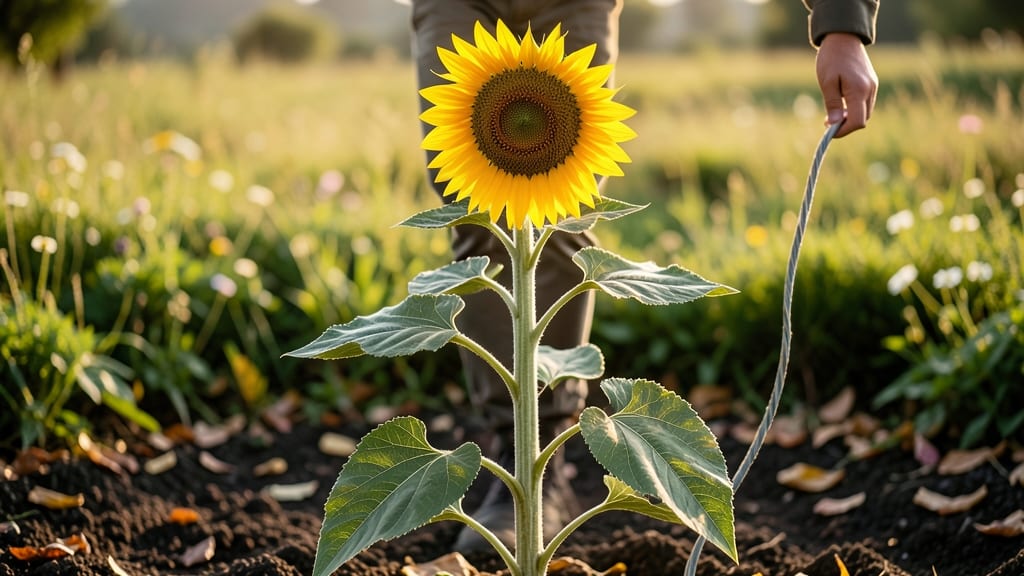
How tall can sunflowers grow? Some varieties reach heights of 12 feet or more, making them the towering giants of the garden!
If you’ve ever marveled at towering sunflowers and wondered just how tall these giants of the garden can grow, you’re in for a surprise—some varieties stretch taller than a two-story house!
Whether you’re dreaming of a backyard skyline or simply curious about the tallest sunflowers, the answer depends on the variety, growing conditions, and a little bit of luck. From dwarf varieties perfect for containers to giant cultivars that dwarf even the tallest gardeners, sunflowers offer something for every space.
In this guide, I’ll break down the height ranges of popular sunflower types, share tips for maximizing growth, and help you avoid common mistakes that keep sunflowers from reaching their full potential.


Giant sunflower varieties and their maximum heights
Sunflowers are nature's skyscrapers, and some varieties can reach heights that will make you feel like a tiny gardener standing beside them. If you're dreaming of sunflowers that tower over your fence or even your house, you're in the right place.
The tallest sunflower varieties can grow 12 to 16 feet tall, making them perfect for creating dramatic focal points in your garden or even as living privacy screens. These giants aren't just impressive—they're also surprisingly easy to grow with the right conditions.
To help you choose the perfect variety for your space, I've rounded up the most impressive sunflower cultivars that push the limits of height. Whether you have a spacious backyard or a large container, these varieties will give you the sunflower experience you're after.
The key to unlocking their full potential lies in understanding their unique growth habits and providing the ideal growing conditions.
Below, you'll find a detailed breakdown of the tallest sunflower varieties, including their maximum recorded heights, typical growth ranges, and the conditions that help them reach their peak. From the legendary 'Russian Giant' to the classic 'Mammoth', these varieties are sure to turn heads in your neighborhood.
| Variety | Max Height (ft) | Typical Height (ft) | Days to Mature | Best For |
|---|---|---|---|---|
| 'Russian Giant' | 16+ | 12-15 | 90-120 | Privacy screens, dramatic displays |
| 'Giant Russian' | 14+ | 10-13 | 85-110 | Backyard focal points |
| 'Mammoth' | 12+ | 8-11 | 80-100 | Cut flowers, containers |
| 'American Giant' | 10+ | 7-10 | 75-95 | Small gardens, cut arrangements |
| 'Colossus' | 12+ | 9-12 | 85-110 | Dramatic borders, cut flowers |
The 'Russian Giant' holds the record for the tallest sunflower ever grown, reaching an astonishing 16 feet in ideal conditions. This variety is a favorite among gardeners who want to create a statement piece in their landscape.
To achieve such heights, you'll need to provide rich, well-draining soil, plenty of sunlight (8+ hours daily), and consistent watering. These giants thrive in open spaces where they can spread their roots deeply and grow unobstructed.
If you're working with limited space but still want a towering sunflower, the 'Mammoth' variety is an excellent choice. While it typically reaches 8 to 11 feet, it's more adaptable to container growing than the true giants.
Just ensure your container is at least 18 inches in diameter and 2 feet deep to accommodate its robust root system. This variety also produces large, showy blooms that are perfect for cutting and bringing indoors.
For those who love a challenge, the 'Giant Russian' is another standout variety that consistently reaches 10 to 13 feet. What makes this variety special is its ability to produce multiple blooms per stem, giving you more bang for your buck.
To encourage multiple heads, pinch off the first bloom as it begins to open. This redirects the plant's energy to produce additional flowers, extending your enjoyment of these towering beauties.
One of the most important factors in growing sunflowers to their maximum height is soil quality. These giants are heavy feeders and require nutrient-rich soil to support their rapid growth.
Before planting, amend your soil with compost or well-rotted manure to provide essential nutrients. Additionally, sunflowers prefer a slightly acidic to neutral pH,
How to grow sunflowers to their tallest potential
Sunflowers are nature's skyscrapers, and with the right care, you can coax them to reach their maximum height potential. The secret lies in mimicking their natural growing conditions—rich soil, plenty of sunlight, and consistent moisture.
I’ve grown 12-foot giants in my backyard by following these proven techniques, and I’ll share exactly how you can too.
Your sunflowers’ height depends on the variety you choose, but even dwarf types can stretch taller with proper care. For giant sunflowers, focus on soil fertility, watering consistency, and supportive staking. Let’s break down the exact steps to grow sunflowers that rival telephone poles!
Step-by-Step Guide to Maximizing Sunflower Height
- 🌱 Step 1: Choose the Right Variety
Select tall-growing types like 'Mammoth' or 'Russian Giant', which can reach 12-16 feet with ideal care. - ☀️ Step 2: Plant in Full Sun
Sunflowers need 6-8+ hours of direct sunlight daily. South-facing spots in your garden are perfect. - 💧 Step 3: Water Deeply and Consistently
Water 1-2 gallons per plant every 3-5 days, focusing on the root zone to encourage deep growth. - 🪴 Step 4: Enrich the Soil
Amend soil with compost or aged manure before planting. Sunflowers thrive in loamy, well-draining soil with a pH of 6.0-7.5. - ✂️ Step 5: Stake for Support
Use bamboo stakes or cages when plants reach 3-4 feet tall to prevent toppling in wind or rain. - 🌡️ Step 6: Fertilize Lightly
Apply a balanced 10-10-10 fertilizer when seedlings are 6-12 inches tall, then again at half-height to boost growth. - 📅 Step 7: Time Planting Right
Sow seeds 1 inch deep after your last frost date, spacing them 6 inches apart in rows 1 foot apart for optimal airflow.
Timing is everything when it comes to sunflower height. Plant seeds in early spring, after the soil warms to 55°F or higher. In warmer climates, you can also plant in late summer for a fall harvest, though these may not reach their full height potential.
One common misconception is that sunflowers need constant watering—they don’t. Overwatering can lead to weak stems and stunted growth. Instead, focus on deep, infrequent watering to encourage strong root development.
I’ve seen sunflowers wilt dramatically after heavy rain only to bounce back within days when given proper care.
For extra height, consider using organic mulch like straw around the base of your plants. This helps retain moisture, regulates soil temperature, and suppresses weeds—all of which contribute to healthier, taller sunflowers. Just be sure to keep mulch 2-3 inches away from the stem to prevent rot.
With these steps, you’ll be well on your way to growing sunflowers that reach their full height potential. Whether you’re aiming for a dwarf variety as a border plant or a giant sunflower as a backyard centerpiece, the key is consistency. Happy growing! 🌻