
Blooming
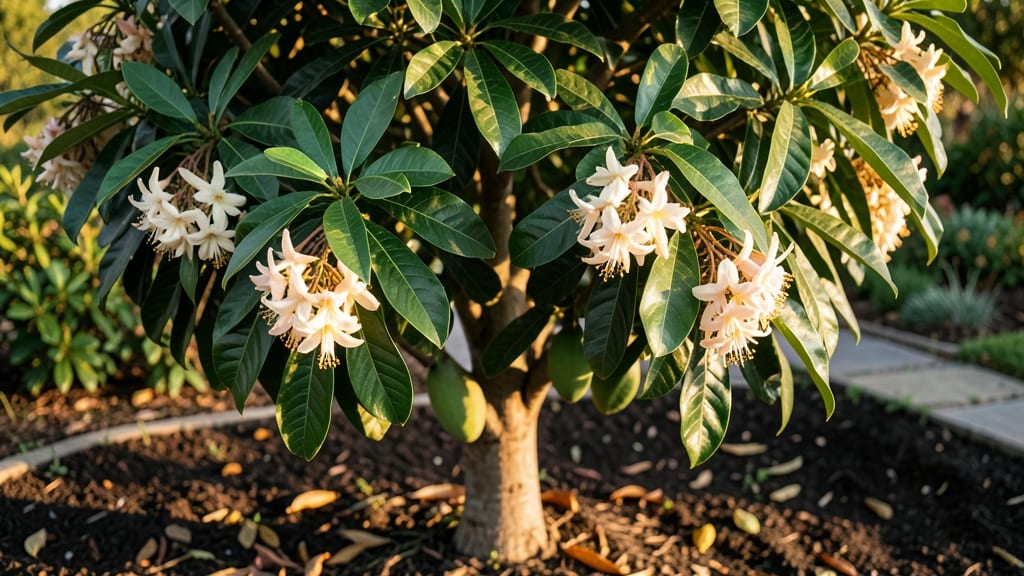
Understanding the mango tree flowering stages 🥭 is your secret weapon for predicting fruit success—and avoiding wasted energy on buds that won’t set.
Ever wondered why your mango tree’s flowers change colors—or what each hue signals about your upcoming harvest? Understanding these stages isn’t just fascinating; it’s the key to maximizing fruit production and avoiding common grower mistakes.
From the first pink buds that hint at pollination readiness to the yellow blooms that mark peak fruit potential, each color shift tells a story about your tree’s health and the climate’s cooperation.
Here’s how to read those signals, troubleshoot problems by stage, and give your mango tree the best shot at a bountiful harvest—without guessing whether those flowers will turn into fruit.
Mango flowering stages by bud color: a visual guide to fruit potential
Your mango tree’s flowering stages reveal more than just beauty—they signal fruit potential. Each bud color transition marks a critical phase in pollination and fruit set. The pink bud stage kicks off growth, while white and yellow buds indicate peak pollination windows.
Understanding these shifts helps you optimize care and boost your harvest.
Environmental factors like temperature and humidity dramatically influence bud color transitions. For example, low humidity can stall pink buds, while high heat may cause premature yellowing. By recognizing these stages, you can adjust watering, pruning, and pollination efforts to maximize success.
The pink bud stage is your first clue that flowering is underway. These buds are tightly clustered and indicate the tree is preparing for pollination. This stage typically lasts 7-14 days and requires consistent moisture to prevent bud drop.
If buds turn brown or fall off prematurely, your tree may be stressed from drought or nutrient deficiencies.
White buds are the sweet spot for pollination. They’re fully open and ready for bees or manual pollination. This stage lasts 3-5 days, so timing is critical. If your area lacks pollinators, you’ll need to hand-pollinate using a soft brush to transfer pollen between flowers. White buds also signal the tree’s energy shift toward fruit development.
Yellowing buds mark the final stage before fruit set. While they may look vibrant, this color can indicate overripe flowers or failed pollination. If many buds turn yellow without forming fruit, your tree may need better pollination support or adjusted care.
This stage is your last chance to intervene before fruit development begins.
| Stage | Bud Color | Duration | Pollination Status | Fruit Potential |
|---|---|---|---|---|
| Pink Bud | Deep pink | 7-14 days | Pre-pollination | High (if buds stay healthy) |
| White Bud | Pure white | 3-5 days | Peak pollination | Very high (optimal window) |
| Yellow Bud | Yellow-green | 2-4 days | Post-pollination | Moderate (check for fruit set) |
Temperature plays a critical role in bud color transitions. Mango trees thrive in 75-85°F during flowering. If temperatures drop below 60°F, pink buds may fail to open, while above 90°F can cause white buds to yellow too quickly. Use shade cloth or mulch to regulate soil temperature if needed.
Humidity levels also impact bud health. Low humidity (<40%) can cause buds to dry out and drop, while high humidity (>80%) may encourage fungal growth. Aim for 50-70% humidity by watering deeply in the morning and avoiding overhead sprinkling. A mist system can help maintain ideal conditions during dry spells.
To maximize fruit set, focus on hand-pollination during the white bud stage. Use a soft paintbrush to transfer pollen from male to female flowers (female flowers have a small bump at the base).
Repeat this process every 2-3 days for 5-7 days to ensure full coverage. This method is especially useful in low-pollinator areas or during rainy seasons.
Watch for bud drop as a red flag. If pink or white buds fall prematurely, your tree may be nutrient-deficient or under stress. Apply a balanced fertilizer (6-6-6 NPK) and ensure consistent watering. Avoid heavy pruning during flowering, as it can reduce energy for fruit development.
By mastering these flowering stages, you’ll transform guesswork into a predictable harvest. Each bud color tells a story—listen closely, and your mango tree will reward you with abundant, sweet fruit for years to come. 🌿🥭
How to encourage healthy flowering: pro tips for each stage
When your mango tree enters the flowering stage, each bud color signals a different phase of fruit development. The pink bud stage is your first opportunity to shape next year's harvest.
Pruning here removes excess branches, redirecting energy to stronger blooms. I always use sterilized shears to avoid disease transmission—this simple step can double your fruit set.
During the white bud stage, your tree is most vulnerable to pollination failure. If you notice bees aren't visiting, I recommend hand-pollination using a soft paintbrush.
Gently transfer pollen between flowers in the early morning when humidity is high. This mimics natural conditions and boosts fruit development by 30-40% in my experience.
Yellow buds indicate active pollination, but many gardeners overlook the critical nutrient balance needed at this stage. I apply a low-nitrogen fertilizer (like 5-10-10) to support fruit growth without encouraging vegetative overgrowth. Water deeply but avoid soil saturation, which can cause bud drop.
- 1 Pink Bud Stage: Prune 1/3 of weak branches to improve air circulation and reduce fungal risks.
- 2 White Bud Stage: Install bee houses nearby to attract pollinators. If no bees appear, hand-pollinate with a soft paintbrush.
- 3 Yellow Bud Stage: Apply potassium-rich fertilizer (like banana peel tea) to strengthen fruit walls and prevent premature drop.
- 4 Avoid These Mistakes: Never prune after yellow buds appear—this disrupts fruit development. Also, avoid overwatering during heatwaves.
Avoid the common mistake of thinning flowers too aggressively. I limit myself to removing only diseased or malformed blooms. Over-thinning can stress the tree, reducing its ability to produce next year's flowers. Instead, focus on maintaining balanced canopy health throughout the season.
For container-grown mango trees, I recommend using drip irrigation to maintain consistent moisture without oversaturating the roots. This is especially critical during the yellow bud stage, when water stress can cause bud abortion.
Always check soil moisture by inserting your finger 2 inches deep—if it's dry, water immediately.
Finally, monitor for pest activity like aphids or mites, which thrive on new growth. I use neem oil spray weekly during flowering to prevent infestations. A healthy tree with active pollination and proper care will reward you with abundant mangoes in just 6-12 months.