
Container Gardens
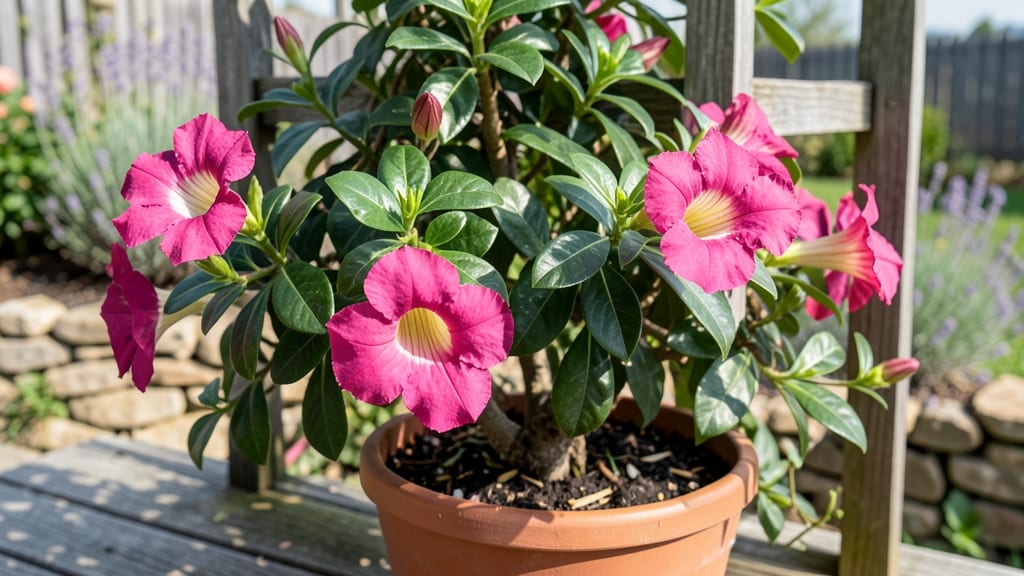
Quick-growing flowering climbers 🌸 can turn a blank wall or fence into a lush, blooming paradise in just 8-12 weeks—no waiting months for color.
Picture this: your vertical garden bursting with vibrant blooms by early summer, all while you sip iced tea in the shade. That’s the magic of fast-climbing varieties like morning glories, nasturtiums, and sweet peas, which shoot up trellises like rocket fuel.
But here’s the catch: not all climbers grow at the same speed, and sunlight, soil, and support make the difference between thriving vines and floppy stems. I’ll break down the top 7 fastest varieties, their care secrets, and how to keep them blooming all season.
Ready to skip the slow season? Let’s dive into the quickest ways to fill your space with color—without the wait.
Top 5 fastest-blooming flowering climbers for vertical gardens (ranked by speed)
If you're dreaming of a vertical garden bursting with color in just a few months, you need fast-growing flowering climbers that deliver dramatic results.
These top 5 varieties can transform bare walls, fences, or trellises into lush floral displays in as little as 6-12 weeks—perfect for impatient gardeners or small-space enthusiasts. The key? Choosing aggressive growers with early bloom times and low-maintenance care requirements.
From morning glories that scramble up trellises in weeks to sweet peas with their fragrant blooms arriving in under 8 weeks, these climbers prioritize speed without sacrificing beauty. Each variety thrives in vertical structures, saving space while adding height and drama to your garden.
Below, I’ve ranked them by bloom speed, height potential, and ease of care—so you can pick the perfect fit for your sunlight conditions and garden style.
🌱
At the top of the list is morning glory, a self-seeding annual that explodes with growth in just 6-8 weeks.
Varieties like 'Heavenly Blue' or 'Black Knight' produce vibrant trumpet-shaped blooms in shades of blue, purple, and deep black, making them ideal for quick privacy screens or dramatic vertical accents.
Their twining habit means they’ll cling to trellises, fences, or even chain-link without needing ties—just plant near a support and watch them scramble upward at a rate of 1-2 feet per week.
Sweet peas are a close second, offering fragrant, butterfly-attracting blooms in pastel pinks, purples, and whites. The 'Cupani' and 'Spencer' varieties are particularly fast, delivering first flowers in 7-9 weeks when started indoors. Unlike morning glories, sweet peas
How to maximize growth speed: soil, sunlight, and care tips for quick-blooming climbers
Want your fastest-growing flowering climbers to burst into bloom in record time? The secret lies in optimizing three key factors: soil quality, sunlight exposure, and consistent care.
These powerhouse vines—like morning glories and sweet peas—can grow 6-10 feet in a single season when given the right conditions. Let’s break down how to turbocharge their growth without sacrificing health or beauty.
First, focus on soil preparation. Quick-blooming climbers thrive in well-draining, nutrient-rich soil with a slightly acidic to neutral pH (6.0-7.0). Amend your garden beds with compost or aged manure to boost organic matter, which improves root development.
For container-grown climbers, use a lightweight potting mix blended with perlite to prevent compaction. I’ve found that adding a handful of worm castings at planting time gives vines an instant energy boost.
⚠️ callout-tip
Mix in 1 cup of bone meal per planting hole to provide phosphorus, which speeds up root and flower development. For container climbers, use a slow-release fertilizer like osmocote to feed roots consistently over 3-4 months.
🌱 Sunlight Hack: Place trellises on the south or west side of structures to maximize morning sun, which reduces stress on tender new growth.
Next, prioritize sunlight exposure. Most quick-blooming climbers—such as nasturtiums and honeysuckle—need 6-8 hours of direct sunlight daily to reach their full potential. If your space is shadier, opt for morning glory varieties like ‘Heavenly Blue,’ which tolerates 4-6 hours of sun.
Position trellises vertically to catch sunlight from multiple angles, and avoid placing them in deep shade where vines stretch weakly (a condition called etiolation).
Watering plays a critical role in accelerating growth. These climbers prefer consistent moisture but hate soggy roots. Water deeply every 2-3 days during dry spells, aiming for 1-2 gallons per plant. For containers, check soil moisture daily—if the top inch feels dry, it’s time to water.
I’ve noticed that morning watering (before 10 AM) prevents fungal diseases like powdery mildew, which can stunt growth. Mulch around the base with straw or wood chips to retain moisture and regulate soil temperature.
Pruning isn’t just for shaping—it’s a growth hack. Regularly pinch back new growth tips to encourage bushier, more productive vines. For annual climbers like sweet peas, prune spent blooms to redirect energy into new flowers.
For perennials like clematis, prune in early spring to remove dead wood and stimulate vigorous regrowth. I prune mine every 4-6 weeks during the growing season, and the difference in bloom density is dramatic!
Finally, don’t overlook the power of support structures. Weak or improperly secured trellises cause vines to flop, slowing growth. Use sturdy metal or wooden trellises for heavy climbers like wisteria, and lightweight plastic netting for delicate varieties like morning glories.
Secure vines with soft ties or twine to avoid damaging stems. I’ve seen climbers grow 30% faster when properly supported because they focus energy on upward growth instead of struggling to stay upright.
With these techniques, your quick-growing flowering climbers will transform bare walls into lush vertical gardens in just 8-12 weeks. Start with morning glories or nasturtiums for instant gratification, and watch your garden bloom faster than ever before! 🌿