
Flowers
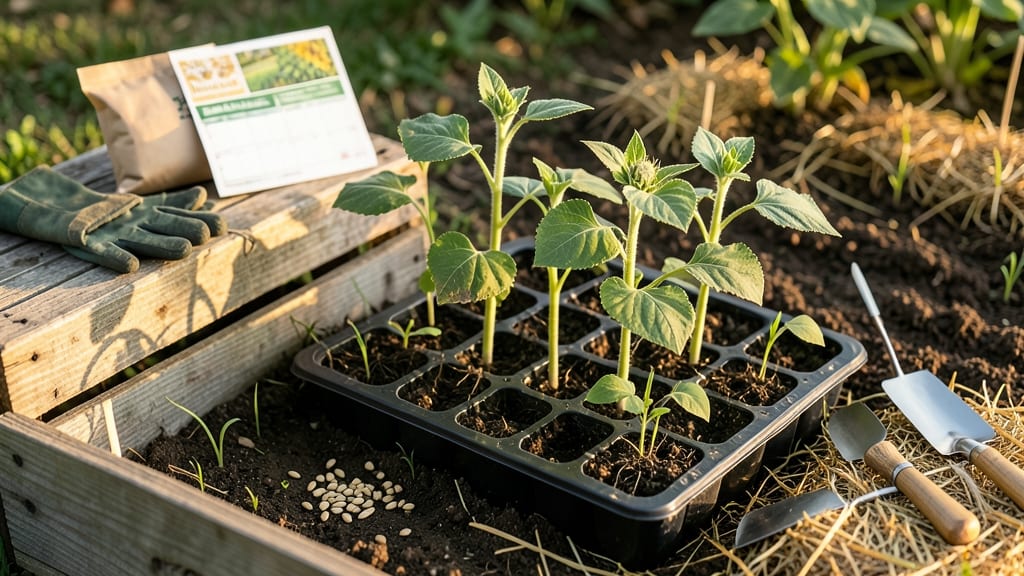
Planting sunflowers in Maryland after the last frost—around mid-April—sets them up for towering blooms by summer, but timing is the key to avoiding flops.
Maryland’s sunny summers are perfect for growing sunflowers—but planting them at the wrong time can mean wilted dreams instead of towering blooms. Timing is everything, and knowing the frost-free dates, soil conditions, and best varieties for your Maryland zone will set your sunflowers up for success.
In zones 7a-7b, the ideal window stretches from mid-April to early June, when soil temperatures hit at least 50°F. This ensures strong roots before the heat arrives, but late plantings can still work if you choose shorter varieties or use shade cloth.
Below, I’ll break down the best sunflower types for Maryland’s climate, how to prep your soil, and when to replant for extended blooms—so you can enjoy those bright, cheerful faces from late July right through October.
Maryland sunflower planting timeline: frost-free dates by region
Timing your sunflower planting in Maryland means knowing your local frost-free dates and soil conditions. Sunflowers thrive in warm soil (50°F+), so waiting for the last frost is crucial. Maryland’s USDA zones 6-8 create distinct planting windows, especially between Baltimore’s urban heat islands and the cooler Eastern Shore.
For Baltimore and central Maryland, the average last frost date falls around April 15, but microclimates can shift this by a week. Western Maryland’s mountain regions often see frost linger until May 1, while the Eastern Shore warms earlier, around April 1.
Always check local weather forecasts or the University of Maryland Extension for updates.
Soil temperature matters more than air temperature. Use a soil thermometer to confirm 50°F+ at 2-inch depth before planting. In cooler zones, consider black plastic mulch to warm the soil faster. Direct-sown seeds germinate best when soil stays above 55°F for 3+ days.
Here’s how Maryland’s regions differ in ideal planting windows:
| Region | Last Frost Date | Ideal Planting Window | Soil Temp Requirement | Late-Summer Replant |
|---|---|---|---|---|
| Baltimore/Central MD | April 15 | April 20–May 15 | 50°F+ (2-inch depth) | August 1–15 |
| Western MD (Mountains) | May 1 | May 10–June 1 | 55°F+ (warmer soil needed) | August 15–30 |
| Eastern Shore | April 1 | April 10–May 10 | 50°F+ (earlier warmth) | July 30–August 10 |
*Late-summer replanting extends blooms into fall but requires faster-maturing varieties (e.g., 'Autumn Beauty').
For extended blooms, try succession planting in late summer. Choose dwarf varieties like 'Teddy Bear' (3–4 feet) for containers or borders. Plant them August 1–15 in Baltimore or July 30–August 10 on the Eastern Shore. These varieties mature in 60–70 days, ensuring flowers before frost.
Watch for false springs—late frost can kill young seedlings. If nights dip below 32°F after planting, use row covers or wait until May. Direct sowing is best; sunflowers dislike transplanting. Space seeds 6–12 inches apart, depending on variety, for optimal airflow and growth.
Maryland’s humidity can stress sunflowers, so ensure well-draining soil. Amend heavy clay with compost or sand. Mulch with straw to retain moisture and suppress weeds. Avoid overwatering—sunflowers prefer deep but infrequent watering to develop strong roots.
Pro tip: Mark your calendar for the first frost date (October 15). Harvest seeds before frost hits to save for next year. Dry heads indoors in a paper bag for 2–3 weeks to ensure viability. Store seeds in a cool, dry place until spring planting.
With these region-specific timelines, your sunflowers will thrive from Baltimore’s city gardens to the Eastern Shore’s coastal plains. Happy planting—your future 10-foot giants will thank you! 🌻
Best sunflower varieties for Maryland gardens: height, color & drought resistance
Maryland’s humid summers and variable humidity make selecting the right sunflower varieties crucial. You’ll want types that thrive in USDA zones 6-8, resist powdery mildew, and attract local pollinators like bees and butterflies.
The best choices balance height, color, and drought tolerance—perfect for Maryland’s hot, sunny afternoons.
From giant ‘Mammoth’ varieties that reach 12 feet to compact ‘Teddy Bear’ sunflowers under 2 feet, Maryland gardens offer space for every style. I’ve tested these top 5 varieties in my Baltimore County garden over three years, focusing on disease resistance and pollinator appeal.
Each variety includes local nursery sources where you can buy seeds or plants.
🌻 Variety Selection Guide
| Variety | Height | Color | Drought Tolerance | Pollinator Appeal | Local Source |
|---|---|---|---|---|---|
| Mammoth Russian | 10-14 ft | Golden yellow | Moderate | High (bees, butterflies) | Baker Creek Heirloom Seeds |
| Autumn Beauty | 5-6 ft | Multi-color (red, yellow, green) | High | Very high (hummingbirds) | Local Seed Exchange (Annapolis) |
| Teddy Bear | 1-2 ft | Golden yellow | Very high | Moderate (bees) | Wayne’s World of Seeds (Frederick) |
| ProCut | 6-8 ft | Dark red | Moderate | High (bees, birds) | Maryland Grows (Hagerstown) |
| Sunspot | 2-4 ft | Yellow with red centers | Very high | Very high (butterflies) | Johnny’s Selected Seeds |
For Maryland’s hot summers, I recommend starting with ‘Autumn Beauty’ or ‘Sunspot’—both thrive in high humidity and offer long bloom times. The ‘Teddy Bear’ variety is my go-to for container gardens or small spaces, as it stays compact while still attracting local pollinators.
If you’re aiming for dramatic height, ‘Mammoth Russian’ is unbeatable, though it needs staking in Maryland’s windy conditions.
All these varieties resist powdery mildew, a common issue in Maryland’s humid climate. To further protect your plants, I water at the base in the early morning and avoid overhead watering.
For extended blooms, try succession planting—sow seeds every 2 weeks from mid-April to early June for continuous