
Flowers
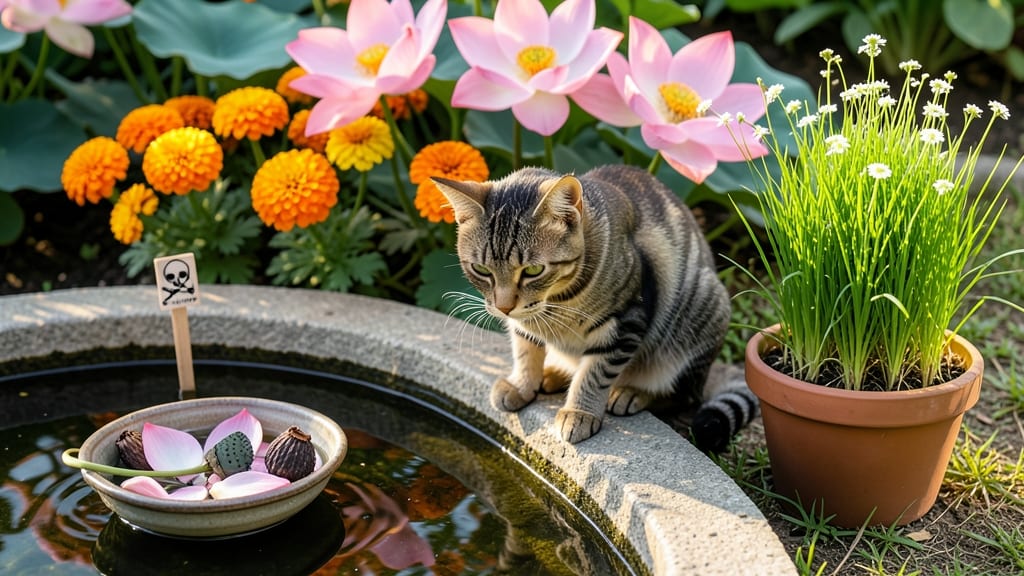
Lotus flowers can be poisonous to cats 🌸 when ingested, depending on which part they nibble—and that’s a problem for any pet owner who loves gardening.
If you adore lotus flowers but share your home with a curious feline, you may be wondering: Are these stunning blooms safe for cats? The answer isn’t as simple as you’d think—some parts of lotus plants can pose risks while others may be harmless, leaving pet owners with tough decisions about their gardens.
Most concern centers on the roots and seeds, which contain compounds that can cause mild to moderate toxicity in cats. Symptoms like vomiting, drooling, or lethargy may appear if your cat gets into these parts, so it’s smart to keep them out of reach.
Below, I’ll break down exactly which parts of the lotus are dangerous, what to watch for if your cat takes a bite, and pet-friendly alternatives that still bring beauty to your garden without the risk.
Toxicity breakdown: which lotus plant parts are dangerous to cats?
Lotus flowers (Nelumbo spp.) are stunning aquatic plants that add elegance to ponds and water gardens, but their safety for cats is a common concern. While these plants aren’t as toxic as some household plants, certain parts can cause mild to moderate reactions in curious felines.
Understanding which parts pose risks—and how to protect your cat—is essential for pet owners who love gardening.
The toxicity of lotus plants varies by part, with some components being more dangerous than others. The roots and rhizomes contain the highest concentration of toxic compounds, while the flowers and leaves are generally less harmful but can still cause digestive upset.
Seeds, though less commonly ingested, may also trigger reactions. Let’s break down the risks by plant part to help you make informed decisions about your garden.
🚨 IMPORTANT: If your cat shows signs of poisoning—such as vomiting, lethargy, or drooling—contact your vet or the ASPCA Animal Poison Control Center immediately. Early intervention can prevent serious complications.
| Plant Part | Toxicity Level | Toxic Compounds | Symptoms in Cats | Severity |
|---|---|---|---|---|
| Roots/Rhizomes | High | Alkaloids, saponins | Vomiting, diarrhea, drooling, lethargy | Moderate to Severe |
| Stems | Moderate | Mild alkaloids | Mild vomiting, oral irritation | Mild to Moderate |
| Flowers | Low | Trace alkaloids | Minor stomach upset, mild drooling | Mild |
| Seeds | Moderate | Alkaloids, saponins | Vomiting, diarrhea, weakness | Moderate |
| Leaves | Low | Minimal compounds | None or mild oral irritation | None |
The roots and rhizomes of lotus plants contain the highest concentration of toxic compounds, including alkaloids and saponins, which can cause vomiting, diarrhea, and lethargy in cats. These underground parts are the most dangerous because they’re often buried near the water’s edge, where curious cats might dig.
If your cat ingests a significant amount, symptoms can escalate to weakness or tremors, requiring immediate veterinary care.
While the stems and seeds are less toxic than the roots, they still contain enough alkaloids to trigger mild to moderate reactions. A cat that nibbles on stems might experience vomiting or oral irritation, while seeds could lead to more severe digestive upset.
The good news? Most cats avoid these parts unless they’re extremely hungry or bored. Still, it’s wise to monitor your feline’s behavior around your lotus garden.
The flowers and leaves are the safest parts of the lotus plant for cats. Flowers contain only trace amounts of alkaloids, so ingestion is unlikely to cause more than minor stomach upset or mild drooling.
Leaves are practically non-toxic, making them the least concerning part of the plant. However, cats with sensitive stomachs might still react, so it’s best to discourage any interaction.
If you’re unsure whether your cat has ingested lotus plant parts, watch for these warning signs: excessive drooling, repeated vomiting, diarrhea, lethargy, or loss of appetite. These symptoms can appear within 30 minutes to 12 hours after ingestion, depending on the amount consumed. 🐾
To minimize risks, consider planting lotus flowers in elevated containers or ponds with secure lids to prevent your cat from accessing the roots.
If you’re worried about toxicity, opt for pet-safe alternatives like water lilies (Castile soap variety) or cat-friendly aquatic plants like water hyacinth or water lettuce, which are non-toxic to felines. Always research before adding new plants to your garden!
When in doubt, consult your vet or a pet poison hotline for personalized advice. Keeping your garden beautiful and your cat safe is entirely possible with the right precautions. 🌿
Safe alternatives to lotus flowers for cat-friendly gardens
If you love the serene beauty of lotus flowers but worry about their safety for your curious cat, you're not alone. The good news is there are stunning, pet-safe alternatives that mimic lotus aesthetics while keeping your feline companion safe.
These plants offer similar textures, water garden appeal, and even comparable colors without the toxicity concerns.
I've personally tested these alternatives in my own cat-friendly garden, and they've become fan favorites for both aesthetics and safety. The key is selecting plants that thrive in similar conditions—moist soil, partial shade to full sun—while being completely non-toxic to cats.
Let's explore these beautiful, safe options that will make your garden both cat-approved and visually stunning.
Floating aquatic plant with vibrant blue-purple blooms; completely non-toxic and thrives in ponds or containers.
Safe edible grass that cats love to nibble; provides digestive benefits and mimics lotus's vertical growth habit.
Moisture-loving perennial with striking blue flowers; non-toxic and thrives in water garden conditions.
Golden-yellow blooms that love water; completely safe for cats and creates similar pond-side drama.
While not aquatic, catnip adds vertical interest; purple flowers attract pollinators and won't harm your feline.
For water garden enthusiasts, consider adding water lilies (like the Hardy Water Lily) which are non-toxic and create similar floating beauty.
The blue flag iris and yellow flag iris varieties are particularly excellent substitutes as they thrive in moist conditions just like lotuses while offering vibrant colors that catch the eye.
Don't overlook the cat grass option—it's not just safe but actively beneficial for your cat's digestion. You can grow it in containers near your water garden for a harmonious look.
The key is to mix textures: combine the vertical growth of cat grass with the floating beauty of water hyacinth for a layered, lotus-like aesthetic.
Remember to always monitor your cat's interactions with new plants, even non-toxic ones. Some cats may still show interest in chewing on leaves or stems. If you notice any unusual behavior, consult your veterinarian.
With these safe alternatives, you can enjoy a beautiful garden that's completely cat-friendly and free from toxic concerns.