
Flowers
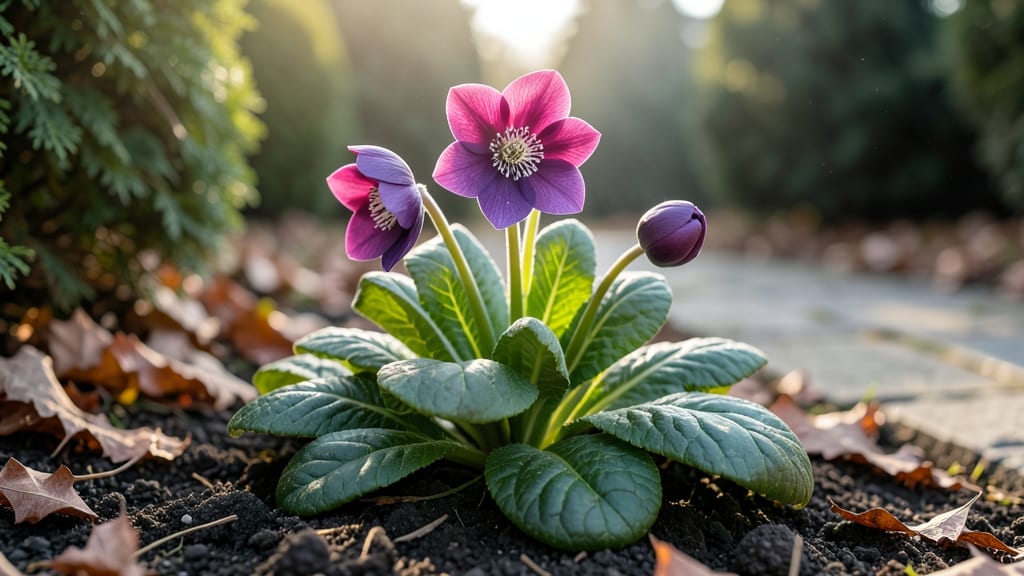
Purple flowers that open and close like clockwork add a magical rhythm to any garden, turning your landscape into a living timepiece.
Imagine stepping outside at dusk and finding your garden bathed in deep violet hues—only to wake up the next morning to discover they’ve vanished, replaced by fresh blooms.
These nyctinastic wonders don’t just brighten your space; they create a dynamic show that changes with the sun, moon, and even temperature shifts.
From the moonlit glow of Moonflower Vines to the playful timing of Four O’Clock Flowers, these purple varieties thrive on their own schedule, making them perfect for pollinator-friendly beds or moonlit gardens.
Whether you’re designing a whimsical border or a serene retreat, their daily transformations will keep your garden feeling alive and ever-evolving.
In this guide, I’ll share 10 of the best purple flowers that open and close on their own, plus tips to maximize their dramatic effect—so you can enjoy their enchanting rhythm all season long.
How light and temperature control purple flowers’ opening and closing cycles
Purple flowers that open and close their blooms daily aren’t just beautiful—they’re following a natural rhythm controlled by light and temperature. This phenomenon, called nyctinasty, makes them unique additions to any garden.
Understanding how photoperiodism and thermoperiodism work helps you create the perfect conditions for their stunning daily performances.
Most purple flowers respond to sunlight duration and temperature shifts to open or close. For example, morning glories unfurl at dawn when temperatures rise, while evening primroses bloom as daylight fades. These patterns aren’t random—they’re finely tuned to environmental cues that trigger chemical changes in the plant’s cells.
Here’s how these factors interact to control blooming cycles:
| Factor | Effect on Blooms | Purple Flower Examples |
|---|---|---|
| Photoperiodism | Blooms open/close based on daylight length | Morning Glory, Petunia |
| Thermoperiodism | Temperature shifts trigger opening/closing | Evening Primrose, Four O’Clock |
| Humidity Levels | High humidity can delay closing | Moonflower Vine, Hyacinth Bean |
| Moonlight | Enhances night-blooming varieties | Moonflower, Night-Blooming Jasmine |
| Soil Temperature | Warmer soil speeds up blooming | Petunia, Begonia |
Let’s start with photoperiodism, the plant’s internal clock that responds to daylight. Short-day plants like four o’clocks need less than 12 hours of light to trigger blooming, while long-day plants like morning glories require 14+ hours.
This explains why some purple flowers open at dawn while others wait for dusk.
Temperature plays an equally critical role. Thermoperiodism means flowers often open when temperatures rise above 60°F (15°C) in the morning or drop below 70°F (21°C) in the evening. For example, evening primroses stay closed until late afternoon, then burst into bloom as the sun sets, creating a magical evening display.
Humidity also influences blooming rhythms. Dry air can cause flowers to close prematurely, while high humidity may delay closing, extending their display. This is why moisture-loving varieties like hyacinth beans thrive in coastal gardens where humidity remains elevated.
Even moonlight can affect night-blooming purple flowers. Varieties like moonflower vines open fully under moonlight, their petals reflecting a soft glow. This adaptation helps attract nocturnal pollinators, creating a self-sustaining ecosystem in your garden.
To maximize blooming cycles, mimic these natural triggers. Place morning-blooming varieties in full sun with east-facing exposure, while evening bloomers thrive in west-facing beds. Use mulch to regulate soil temperature and drip irrigation to maintain consistent moisture levels.
Experiment with LED grow lights to extend daylight for short-day plants or create artificial moonlight for night-bloomers. These small adjustments can transform your garden into a 24-hour spectacle of purple blooms, each variety performing its unique daily routine.
By understanding these natural rhythms, you’re not just growing flowers—you’re conducting a living symphony of color and movement that responds directly to your garden’s environment. The result? A dynamic, ever-changing landscape that feels alive and interactive.
10 Best purple flowers with striking daily blooming rhythms for your garden
If you’ve ever watched a Moonflower Vine burst open under moonlight or seen Four O’Clock Flowers greet the evening, you know these purple blooms are nature’s own timekeepers. Their daily opening and closing cycles create a mesmerizing garden show that responds to sunlight, temperature, and even lunar phases.
These nyctinastic varieties aren’t just beautiful—they’re interactive, turning your garden into a living clock.
For gardeners craving drama, these purple flowers deliver year-round excitement with minimal effort. Whether you’re designing a moonlit garden or a vibrant pollinator haven, their rhythmic blooms will keep your space dynamic.
Below, I’ve curated the top 10 purple flowers that open and close on their own, complete with care tips and hardiness zones to help you create your own living timepiece.