
Flowers
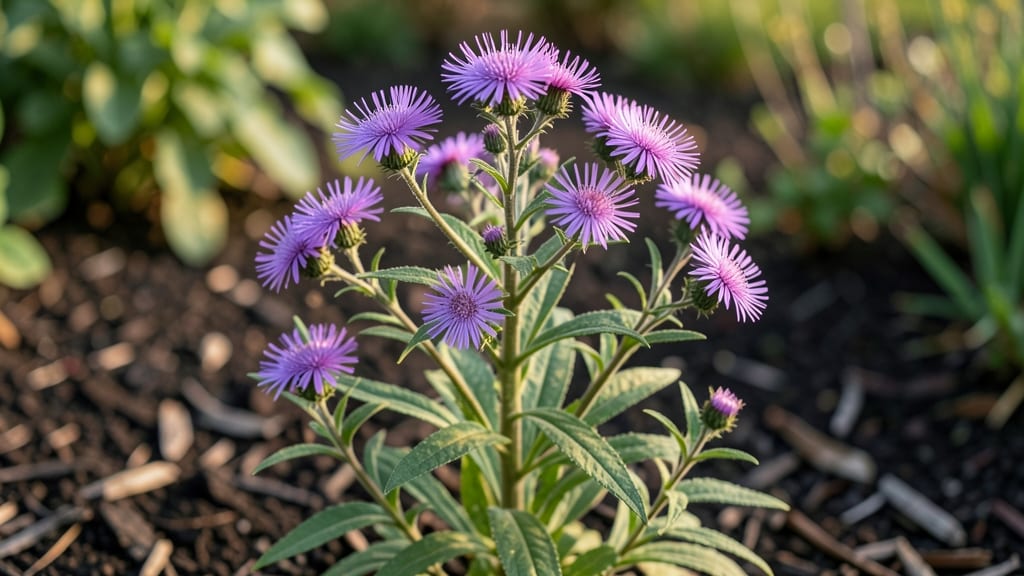
Aster flower height can transform your garden from a sea of green to a late-summer explosion of color 🌸 — but choosing the right size matters more than you think.
If you're dreaming of a garden bursting with late-season color but struggling to choose the perfect aster varieties, their height could make or break your design—whether you need border accents, cut flowers, or dramatic backdrops.
Some varieties barely reach your knees, while others tower over you, making them perfect for back-of-the-border drama. The difference between a 1-foot dwarf and a 6-foot giant isn't just about space—it's about how you use them in your layout.
In this guide, I’ll break down the height ranges of popular asters, share tips to control their growth naturally, and help you pick the perfect fit for your garden—no matter how big or small.

Aster flower height guide: from dwarf varieties to towering giants
Asters are nature's late-season superstars, offering vibrant blooms from August through frost. But their height range—from dwarf varieties to towering giants—can transform your garden's look. Choosing the right height ensures your design flows beautifully, whether you're creating border accents or dramatic backdrops for taller perennials.
Understanding aster height helps with spacing requirements, sunlight exposure, and even pollinator attraction. Tall varieties create vertical interest, while dwarf types spill elegantly over container edges or rock gardens.
Let's explore how to match aster heights to your garden vision—plus pro tips for managing their growth naturally.
🌸
Dwarf asters like 'Little Carlow' stay under 2 feet, making them perfect for container gardens or window boxes. Their compact size also works beautifully in rock gardens where you want to frame other plants without overwhelming them.
When planting, space these varieties 10–12 inches apart to prevent overcrowding and ensure good airflow.
Medium-height asters (24–36 inches) strike the perfect balance for mid-border plantings. They provide vertical interest while still being accessible for maintenance. Varieties like 'Royal Ruby' with its deep purple blooms create stunning pollinator magnets. Space these 18–24 inches apart to allow stems to develop fully without leaning.
For dramatic impact, tall asters (36+ inches) reach toward the sky, creating backdrop focal points. The New England aster ('Prof. Anton Kippenberg') can grow over 4 feet tall, while some European varieties like 'Weiss Riese' hit 5–6 feet.
These giants need 24–36 inches of spacing to support their height and prevent flopping in wind or rain.
🌿
Height isn't just about aesthetics—it affects sunlight exposure too. Taller varieties may need more sunlight to reach their full potential, while dwarf types can thrive in partial shade if their roots stay cool.
Always check your specific variety's needs, as some China asters tolerate shade better than New England asters, which crave full sun.
When planning your aster garden, consider layering heights for depth. Place tall varieties at the back, medium types in the middle, and dwarf asters at the front. This creates a natural progression that guides the eye through your space.
For container gardens, mix heights by planting taller varieties in the center with shorter ones spilling over the edges.
🪴
Pro tip: If you're concerned about flopping stems in tall varieties, plant them near natural supports like shrubs or fences. You can also prune side shoots early in the season to encourage a single strong stem. For dwarf varieties, a light pinching back can promote bushier growth and more blooms.
Remember that aster heights can vary based on soil fertility, watering habits, and pruning practices. Rich, well-draining soil often produces slightly taller plants, while nutrient-poor conditions may keep them more compact. Always monitor your plants and adjust care as needed to achieve your desired height.
How to control aster flower height naturally (without chemicals)
Tall, leggy asters can quickly turn from stunning garden stars to floppy eyesores—but you don’t need chemicals to keep them compact and strong. With the right techniques, you can encourage bushier growth or manage their height naturally, whether you’re working with dwarf varieties or towering giants.
The key lies in understanding how pruning, soil health, and light exposure influence their structure.
For gardeners who love asters but dread their uncontrolled height, these methods will help you shape their growth without harsh interventions. Whether you’re aiming for a neat border, a cut-flower arrangement, or simply preventing flopping in windy conditions, these strategies work for all aster types.
Let’s dive into the most effective ways to guide their height naturally.
Prune Early & Often
Pinch back top growth when plants are 6 inches tall to encourage branching. Repeat every 4-6 weeks to maintain compactness.
Use Support Stakes
Insert bamboo stakes or tomato cages at planting. Tie stems gently with soft plant ties to prevent flopping without restricting growth.
Amend Soil for Compactness
Mix in compost and sand to improve drainage. Avoid nitrogen-heavy fertilizers, which promote leafy growth over sturdy stems.
Optimize Light Exposure
Plant in full sun (6+ hours) for stronger stems. Partial shade can weaken stems, leading to floppiness.
Deadhead Regularly
Remove spent blooms to redirect energy to new growth and prevent over-tall stems from developing.
One of the simplest ways to control aster height is through pruning. When you pinch back the tips of young plants, you trigger the growth of side shoots, creating a fuller, more compact shape.
I like to do this when my asters reach about 6 inches tall, then repeat every 4-6 weeks during the growing season. This method works especially well for tall varieties like New England asters, which can easily reach 4-6 feet without intervention.
For varieties prone to flopping, like China asters, I recommend using support stakes or tomato cages at planting time. These provide structure without restricting airflow, which is crucial for preventing fungal issues.
I tie the stems gently with soft plant ties or even old pantyhose to keep them upright. This approach is perfect for cut-flower gardens where you want stems to stay strong for arrangements.
Don’t underestimate the power of soil health either. Amending your soil with compost and a bit of sand improves drainage, which helps prevent leggy growth. I also avoid high-nitrogen fertilizers, as they encourage leafy growth at the expense of sturdy stems.
Instead, I use a balanced fertilizer like 5-10-10 to support both foliage and flower production without sacrificing structural integrity.
Finally, pay attention to light exposure. Asters thrive in full sun (6+ hours daily), which promotes stronger stems and more compact growth. If your asters are growing too tall or floppy, they might be getting too much shade.
Consider moving them to a sunnier spot or thinning nearby plants to improve light penetration. This simple adjustment can make a big difference in their overall structure.
With these natural techniques, you can enjoy neat, sturdy asters that fit perfectly into your garden design—whether you’re creating a border, a cut-flower arrangement, or a wildflower meadow. The best part? No chemicals required! 🌸