
Container Gardens
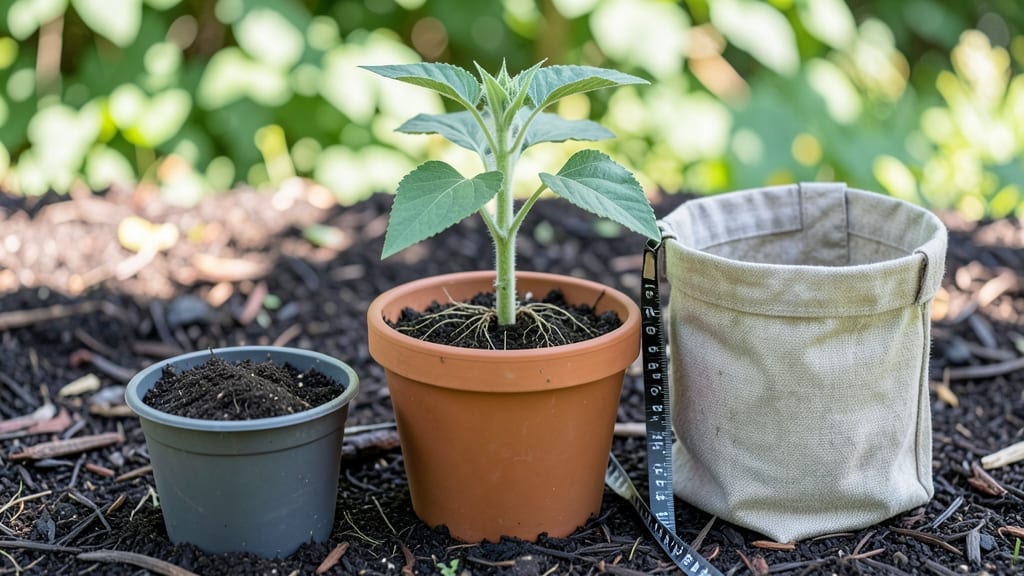
To grow a thriving sunflower 🌻 in a container, you’ll need a pot that’s at least 12 inches deep—and the right size depends on the variety you’re planting.
Picture this: your sunflower starts strong, but by July, its roots are circling the bottom of a cramped pot, stunting growth. Or worse, it topples over in a breeze because the container wasn’t wide enough to stabilize its towering stem.
The good news? With the right pot, you can avoid these pitfalls and enjoy sunflowers that reach their full potential—even in small spaces.
Dwarf varieties like ‘Teddy Bear’ need just 5-gallon containers, while giant sunflowers (think 10+ feet tall) demand 20+ gallons of space.
We’ll break down the exact pot dimensions for each type, plus material tips (terracotta for drainage, fabric for aeration) to keep your sunflower happy from seed to bloom.
Ready to pick the perfect pot? You’ll also learn how to spot early signs of root stress, when to fertilize for maximum height, and why some gardeners accidentally sabotage their sunflowers by choosing the wrong container. Let’s get growing!
Minimum pot size requirements for sunflowers by variety
Choosing the right pot size for your sunflowers is critical—especially when growing them in containers. Sunflowers have deep taproots that need space to stretch and proper drainage to thrive.
If you plant them in pots that are too small, you’ll end up with stunted growth or even root-bound plants that struggle to stand upright. Let’s break down the minimum pot requirements based on sunflower variety, so you can give your towering beauties the room they deserve.
Sunflowers come in three main size categories: dwarf varieties (2-4 feet tall), medium-height varieties (4-6 feet tall), and giant varieties (8-16 feet tall). Each requires a different pot size to support its mature height and root system.
For example, a dwarf sunflower like ‘Teddy Bear’ can thrive in a 5-gallon pot, while a giant variety like ‘Mammoth’ needs at least a 25-gallon container to avoid toppling over in windy conditions.
Beyond pot size, consider depth and stability. Sunflowers need at least 12 inches of soil depth to establish strong roots. Shallow pots will restrict growth and make your sunflowers more prone to blowing over—a common issue in container gardening.
If you’re growing sunflowers in wind-prone areas, opt for wider, heavier pots or add stakes for support. Let’s dive into the specifics to help you pick the perfect pot for your sunflowers.
| Sunflower Variety | Height Range | Minimum Pot Diameter | Minimum Pot Depth | Recommended Pot Size | Notes |
|---|---|---|---|---|---|
| Dwarf (e.g., 'Teddy Bear') | 2-4 ft | 12 inches | 12 inches | 5-gallon pot | Lightweight, easy to move |
| Medium (e.g., 'Moulin Rouge') | 4-6 ft | 18 inches | 18 inches | 10-15 gallon pot | Sturdy pot recommended |
| Giant (e.g., 'Mammoth') | 8-16 ft | 24 inches | 24 inches | 25+ gallon pot | Heavy pot or stakes needed |
For dwarf sunflowers, a 5-gallon pot with a 12-inch diameter and depth is ideal. These varieties have shallower roots and are less prone to toppling, making them perfect for smaller spaces like balconies or patios.
Just ensure the pot has drainage holes to prevent root rot, which can be a silent killer for container-grown sunflowers.
Medium-height sunflowers, like the popular 'Moulin Rouge', need more room to grow. Aim for a 10-15 gallon pot with an 18-inch diameter and depth. These pots provide enough root space to support their taller stature while keeping them stable.
If you’re growing multiple medium-height sunflowers in the same pot, space them at least 12 inches apart to avoid competition for nutrients and water.
Giant sunflowers, such as 'Mammoth', are the heavyweights of the sunflower world and require serious pot power. A 25-gallon pot with a 24-inch diameter and depth is the minimum to accommodate their massive root systems. These sunflowers can easily reach 12 feet tall, so stability is key.
If your container isn’t heavy enough, consider adding weighted bases or securing the pot to a support stake to prevent it from toppling in windy conditions.
When selecting pots, prioritize durability and drainage. Terracotta pots are excellent for sunflowers because they wick away excess moisture, reducing the risk of root rot. However, they can dry out quickly, so you’ll need to water more frequently.
Plastic pots retain moisture longer and are lighter, but they don’t breathe as well as terracotta. Fabric pots are another great option—they allow roots to breathe and spread naturally, which can lead to healthier plants.
Don’t forget about soil quality. Sunflowers thrive in well-draining, nutrient-rich soil. Mix your potting soil with compost or aged manure to give your sunflowers a nutrient boost. Avoid heavy garden soil, as it can compact in containers and suffocate roots.
Adding a slow-release fertilizer at planting time can also help your sunflowers grow strong and tall without the risk of over-fertilizing.
If you’re growing sunflowers in windy areas, take extra precautions to keep them upright. Even with the right pot size,
How to choose the Best pot material and size for sunflower growth
When growing sunflowers in containers, the right pot material and size make all the difference. Sunflowers need room to develop strong roots and stability against wind. I’ve learned from experience that skipping these details can lead to leggy stems or stunted growth.
Let’s explore how to pick the perfect container for your towering beauties.
First, consider your sunflower variety. Dwarf varieties like 'Teddy Bear' need at least a 10-inch diameter pot, while giant varieties such as 'Mammoth' require 18-inch diameter containers.
Depth matters too—12-inch minimum depth ensures roots can spread without circling. Shallow pots restrict growth, while overly large ones waste space and can cause waterlogging.
Pot Material Comparison for Sunflowers
Fabric Pots
- ✅ Pros: Lightweight, excellent drainage, prevents root circling
- ✅ Best for: Dwarf varieties, urban balconies, frequent repotting
- ❌ Cons: Breaks down faster (2-3 years), requires more frequent watering
- ❌ Avoid for: Heavy clay soil, windy locations
Ceramic Pots
- ✅ Pros: Aesthetic appeal, breathable (prevents root rot), durable
- ✅ Best for: Decorative displays, semi-dwarf varieties, controlled environments
- ❌ Cons: Heavy (hard to move), can crack in freezing temps, less drainage than fabric
- ❌ Avoid for: Outdoor winter use, heavy pruning
Plastic Pots
- ✅ Pros: Lightweight, affordable, wide variety of sizes, retains moisture
- ✅ Best for: Giant varieties, beginners, large-scale container gardens
- ❌ Cons: Poor drainage (unless perforated), can overheat in sun, less breathable
- ❌ Avoid for: Sandy soil, hot climates without shade
For water retention, plastic pots excel but risk root rot if drainage holes are missing. I recommend adding a layer of gravel or perlite at the bottom.
Fabric pots, meanwhile, dry out faster—ideal for sunflowers that prefer slightly drier conditions once established. Ceramic pots strike a balance but require more maintenance to prevent cracks.
Don’t overlook weight considerations. Heavy ceramic pots can tip over in windy conditions, while lightweight fabric or plastic pots may need staking for taller varieties. I’ve seen 12-foot sunflowers topple from 5-gallon plastic pots during storms—always secure containers with plant ties or sandbags.
One common mistake is choosing pots based on aesthetics alone. A 10-gallon pot might look beautiful, but a giant sunflower will outgrow it quickly. Measure your plant’s mature height and multiply the pot diameter by 1.5 for stability.
For example, a 6-foot sunflower needs at least a 15-inch diameter pot.
Finally, prioritize drainage holes—no exceptions. Sunflowers hate soggy roots. If your pot lacks them, drill holes yourself or use a self-watering liner with built-in drainage. With the right container, your sunflowers will thrive, reaching their full potential without the stress of root-bound conditions.