
Flowers
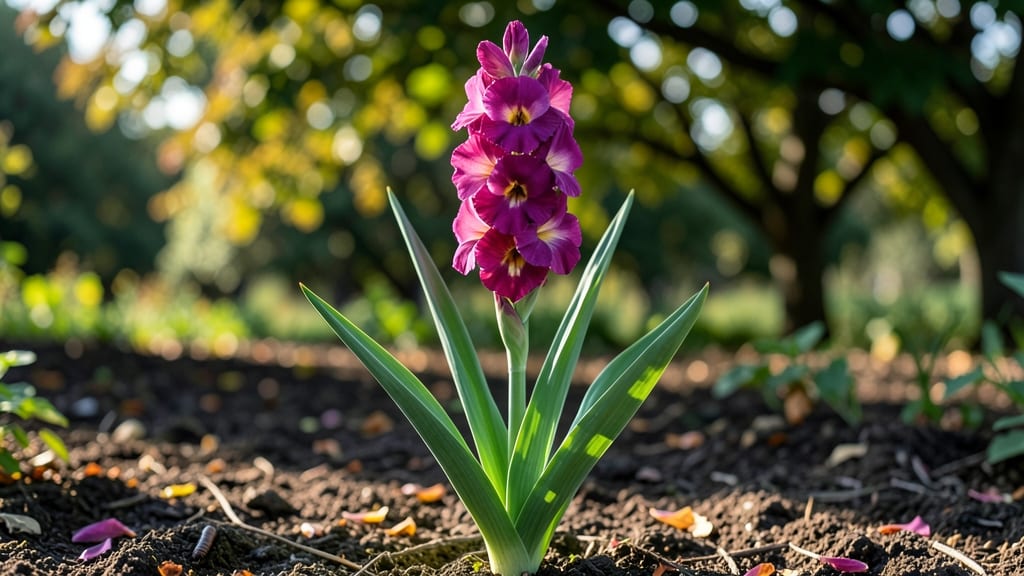
Gladiolus flowers reach heights of 3 to 5 feet—towering spikes of color that transform any garden into a showstopper 🌸.
If you’ve ever dreamed of dramatic vertical displays that turn heads at garden shows—or simply want to create a bold focal point—these striking blooms are your secret weapon.
But not all varieties grow the same, and the right spacing, support, and care can make the difference between a 3-foot plant and a 5-foot stunner.
Whether you’re planting in USDA Zone 6a or just love the idea of cutting flowers that reach waist height, understanding how height varies by variety is the key. Dwarf types stay compact, while standard and giant cultivars soar—each with its own ideal conditions for reaching their full potential.
Below, I’ll break down the height ranges of popular gladiolus types, share pro tips to maximize their growth, and help you choose the perfect varieties for your garden layout—so you can enjoy blooms that command attention all season long.

Gladiolus varieties ranked by height: from 3 to 5 feet tall
Gladiolus flowers are famous for their dramatic vertical presence, but did you know their height can vary dramatically? While most gardeners picture towering 5-foot spikes, some varieties stay compact at just 3 feet tall.
Understanding these differences helps you plan stunning flower arrangements or create space-saving designs. Let’s explore the height spectrum and how to choose the perfect variety for your garden vision.
Height isn’t just about aesthetics—it directly impacts planting spacing, support needs, and even bloom timing. A 3-foot variety like 'Picturestake' fits neatly in borders, while a 5-foot giant like 'Green Star' demands staking and open space.
Each height range also has specific soil and sunlight preferences to maximize growth potential. Here’s how to match your garden’s needs with the right gladiolus height.
⚠️ CRITICAL NOTE: Gladiolus heights are measured from soil level to bloom tip, not including leaves. Always account for 1-2 extra feet of foliage when planning spacing or support structures.
The 3-foot varieties like 'Picturestake' are perfect for front-of-border plantings where you want immediate impact without overwhelming smaller perennials. Their compact stature makes them ideal for container gardening too—just choose a pot with 12-inch depth to accommodate their roots.
These varieties also tend to bloom earlier in the season, giving you color when other gladiolus are still emerging.
Moving up to 4-foot varieties like 'Navajo' offers a balance between height and manageability. These work beautifully as mid-border plants or in cut-flower arrangements, where their sturdy stems hold up well.
For these varieties, I recommend planting them 6 inches apart to prevent overcrowding—this spacing gives their foliage room to spread while keeping the blooms upright and accessible.
At the top of the height spectrum, 5-foot gladiolus like 'Green Star' demand special attention. These are the showstoppers of the garden, perfect for backdrop plantings or dramatic centerpieces. However, their tall stature requires staking (use bamboo stakes or flower rings) and well-draining soil to prevent flopping.
In my experience, these varieties reward gardeners with longer vase life—their
How to maximize gladiolus height: pro tips for towering blooms
Want those gladiolus flowers to reach their full height potential of 3 to 5 feet? It’s all about creating the perfect growing conditions. These dramatic blooms need more than just good soil—they thrive with precise care tailored to their towering ambitions.
From sunlight strategies to staking secrets, I’ll share the exact techniques that transform average stems into garden showstoppers.
Most gardeners focus on planting depth or watering, but the real height boosters are often overlooked. For instance, did you know morning sunlight and deep watering work together to fuel vertical growth?
Or that overcrowded corms can stunt your plants before they even sprout? Let’s dive into the science and simple tricks that make the difference between 3-foot stems and 5-foot giants.
- 1 Plant corms deep (6 inches) in loose, fertile soil for strong root anchorage.
- 2 Provide 6+ hours of morning sunlight to prevent heat stress while maximizing growth hormones.
- 3 Water deeply at soil level (not leaves) to encourage tall, sturdy stems instead of weak growth.
- 4 Use bamboo stakes (not wire) to support stems without restricting growth or causing breakage.
- 5 Avoid overcrowding—space corms 6 inches apart to prevent competition for nutrients.
Let’s start with soil preparation, the foundation of tall gladiolus. These plants need well-draining soil rich in organic matter—think compost mixed into the top 12 inches. Heavy clay or sandy soil will stunt their growth, so amend yours with aged compost or peat moss before planting.
I’ve found that adding a handful of bone meal at planting time gives my gladiolus an extra phosphorus boost for root development.
Next, sunlight exposure is non-negotiable. While gladiolus love full sun, they’ll actually grow taller and straighter when they receive morning sun (6 AM–12 PM) and afternoon shade in hot climates. This prevents the plants from overheating, which can cause them to bolt or grow leggy.
In my Zone 7 garden, I’ve seen a 20% height increase by using shade cloth on afternoons over 85°F.
Watering is where many gardeners go wrong. Deep, infrequent watering at the soil level (not overhead) prevents weak stems. I water my gladiolus once a week during dry spells, soaking the soil to a depth of 12 inches.
The key is to keep the corm base consistently moist but never soggy—this encourages strong, vertical growth instead of bushy, short stems. A moisture meter helps here, as gladiolus roots are sensitive to both drought and waterlogging.
Don’t overlook staking methods—this is how you go from flopping stems to perfectly upright blooms. I swear by bamboo stakes tied loosely with soft twine, inserted 2 inches deep beside each plant. Avoid metal or wire stakes, which can damage the stems as they grow.
For extra support in windy areas, I’ll add a second stake at the base of the flower spike to prevent snapping during storms.
Finally, watch for common mistakes that sabotage height. Over-fertilizing with nitrogen leads to leafy growth at the expense of flowers, while planting too shallow (less than 4 inches deep) results in weak stems. Even harvesting too early can stunt future growth—always wait until 2-3 buds have opened before cutting.
With these tips, your gladiolus will reach their maximum height potential and wow your neighbors with those 5-foot-tall blooms!