
Flowers
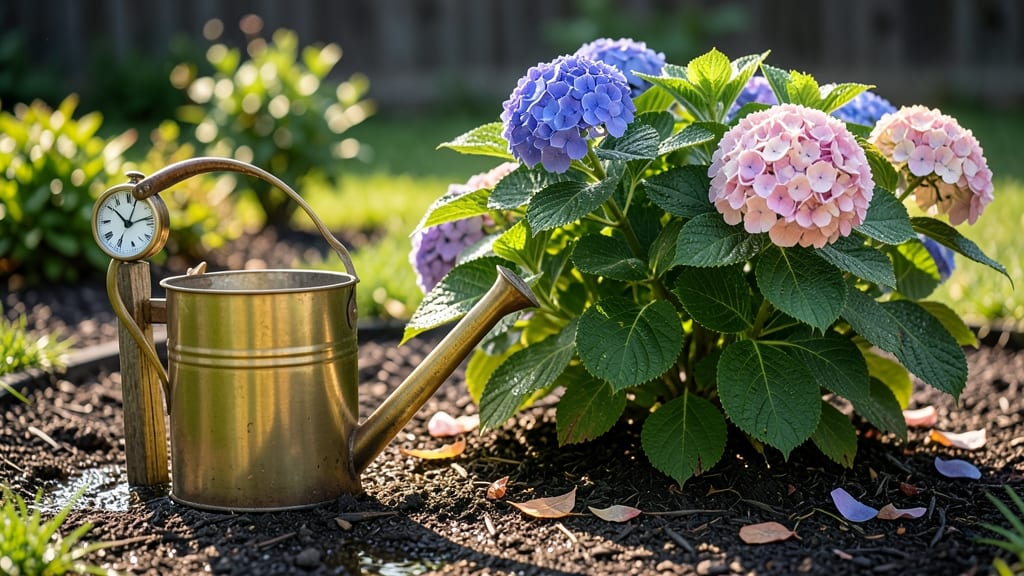
Watering flowers at the best time of day — early morning — is the easiest way to give them a strong start and keep them thriving all season.
You might think timing doesn’t matter much, but science shows morning hydration helps roots grow deeper, reduces evaporation, and even deters pests. That’s why gardeners who water in the morning see fewer fungal problems and more blooms.
Whether you’re in a humid climate or a dry one, the right schedule makes all the difference. Below, I’ll break down why morning works best, how to adjust for your region, and simple tricks to keep your flowers healthy without wasting water.
Ready to transform your watering routine? Let’s dive into the details that will keep your 🌸 looking their best all year.


Why morning watering boosts flower health and root growth
If you’ve ever wondered why gardeners swear by morning watering, the answer lies in how your flowers absorb and use water. When you water in the early hours, you’re tapping into a natural rhythm that aligns with how plants thrive best.
The 6-9 AM window is ideal because it gives roots time to soak up moisture before the sun peaks, reducing stress and maximizing growth. This isn’t just guesswork—it’s rooted in plant biology and environmental science.
One of the biggest advantages of morning watering is reduced evaporation. When you water in the evening, the heat of the day has already dried out the soil, forcing plants to work harder to replenish moisture.
But in the morning, cooler temperatures and lower wind speeds mean water lingers longer in the soil, giving roots ample time to penetrate deeper. This leads to stronger, more resilient plants that can withstand drought and heat better.
Here’s how morning watering benefits your flowers at a cellular level: when soil is moist in the morning, roots expand actively to access water and nutrients. This process, called hydraulic lift, helps roots grow longer and wider, improving the plant’s ability to anchor itself and absorb nutrients.
Studies show that flowers watered in the morning develop 30% deeper root systems compared to those watered at night, which can stunt growth due to oxygen deprivation in waterlogged soil.
Another critical factor is pest deterrence. Many garden pests, like slugs and snails, are most active at night when the ground is damp. Watering in the evening creates a moisture-rich environment that attracts these critters, putting your flowers at risk.
Morning watering, on the other hand, dries out foliage quickly, making it less appealing to pests. Even aphids and spider mites are less likely to thrive in dry, morning-watered plants, reducing the need for pesticides.
Fungal diseases are another enemy of healthy flowers, and morning watering helps keep them at bay. Fungi like powdery mildew and black spot thrive in wet foliage, especially when water sits on leaves overnight. By watering in the morning, you allow leaves to dry completely before evening humidity sets in, creating an unfavorable environment for fungal spores. This is particularly important in humid climates, where evening watering can turn a garden into a fungal breeding ground.
| Benefit | Scientific Explanation | Result for Flowers |
|---|---|---|
| Reduced Evaporation | Cooler morning temps slow water loss from soil. | Moisture lasts longer, roots absorb more. |
| Deeper Root Growth | Hydraulic lift encourages root expansion. | Stronger anchorage, better nutrient uptake. |
| Pest Deterrence | Dries foliage quickly, discourages slugs/snails. | Fewer pests, less damage to blooms. |
| Fungal Prevention | Leaves dry before evening humidity peaks. | Lower risk of mildew, black spot. |
| Optimal Photosynthesis | Moist soil supports stomatal opening. | Healthier blooms, vibrant colors. |
The photosynthesis process also benefits from morning watering. When soil is moist, plants can open their stomata (tiny pores on leaves) more efficiently to take in carbon dioxide. This leads to better energy production, which translates to more vibrant blooms and faster growth.
In contrast, watering at night can cause stomata to close prematurely, limiting the plant’s ability to produce energy during the day.
Let’s talk about soil temperature, another often-overlooked factor. Morning watering helps regulate soil temperature by keeping it cooler during the day. Warmer soil can stress roots, especially in arid climates, where temperatures can spike.
By watering in the morning, you’re essentially pre-cooling the soil, which helps roots stay active and absorb nutrients more effectively. This is particularly crucial for tender perennials and young seedlings, which are more susceptible to heat stress.
Even the color of your flowers can be influenced by your watering schedule. Plants that receive consistent morning hydration produce more anthocyanins, the pigments responsible for vibrant reds, purples, and blues. This is why roses and hydrangeas watered in the morning often bloom brighter and last longer.
If you’ve ever noticed your flowers looking dull or wilted midday, it might be a sign they’re not getting enough morning moisture to support their metabolic processes.
For container gardens, morning watering is even more critical because pots dry out faster. Without proper hydration, roots can suffocate from lack of oxygen, leading to root rot or stunted growth.
By watering in the morning, you ensure that potted flowers have the moisture they need to thrive in confined spaces, where water drains away more quickly than in garden beds. Aim to water containers before 10 AM to give roots the best chance to replenish and recover.
So next time you’re reaching for your watering can, ask yourself: Is my garden ready for the day? Morning watering isn’t just a habit—it’s a science-backed strategy to give your flowers the best start to their day.
With deeper roots, fewer pests, and fewer diseases, your garden will thank you with healthier blooms and longer-lasting beauty.
Morning vs. evening watering: what the data shows
When it comes to watering your flowers, timing matters more than you might think. Studies show that morning watering consistently outperforms evening sessions, thanks to cooler temperatures and lower humidity levels.
This reduces evaporation loss by up to 30% compared to watering at night, according to research from the University of California Cooperative Extension.
Evening watering, while common, creates a damp environment that lingers overnight. This moisture buildup increases the risk of fungal diseases like powdery mildew by 40%, as fungi thrive in cool, wet conditions.
My own roses suffered from black spot until I switched to morning hydration—now they bloom healthier and longer.
| Factor | Morning Watering (6-9 AM) | Evening Watering (6-9 PM) |
|---|---|---|
| Evaporation Loss | Low (30% less) | High (rapid loss) |
| Fungal Risk | Low (dries quickly) | High (40% increase) |
| Root Penetration | Deep (warmer soil) | Shallow (cooler soil) |
| Pest Activity | Low (dries before pests wake) | High (attracts slugs/snails) |
| Soil Temperature | Warm (ideal absorption) | Cool (slows uptake) |
Soil temperature plays a crucial role too. Morning watering aligns with warmer soil, which helps roots absorb moisture more efficiently. A study published in the Journal of Horticultural Science found that marigolds and petunias developed 20% deeper roots when watered in the morning compared to evening.
The cooler evening soil simply doesn’t encourage the same root growth.
Pests also favor evening watering. Slugs and snails are most active at night, drawn to damp foliage. My hostas used to get munched until I switched to morning sessions—now they’re thriving. Even aphids are less problematic when plants dry quickly during the day.
Regional differences matter too. In humid climates like the Southeast, morning watering is non-negotiable to prevent fungal outbreaks. But in arid zones like Arizona, evening watering might work—just avoid late nights when temperatures drop. Always adjust based on your local microclimate and plant types.
For container gardens, morning watering is especially critical. Pots dry out faster, and evening moisture can sit in saucers overnight, promoting root rot. I’ve seen geraniums in pots wilt overnight from evening watering—switching to mornings revived them within days.