
Flowers
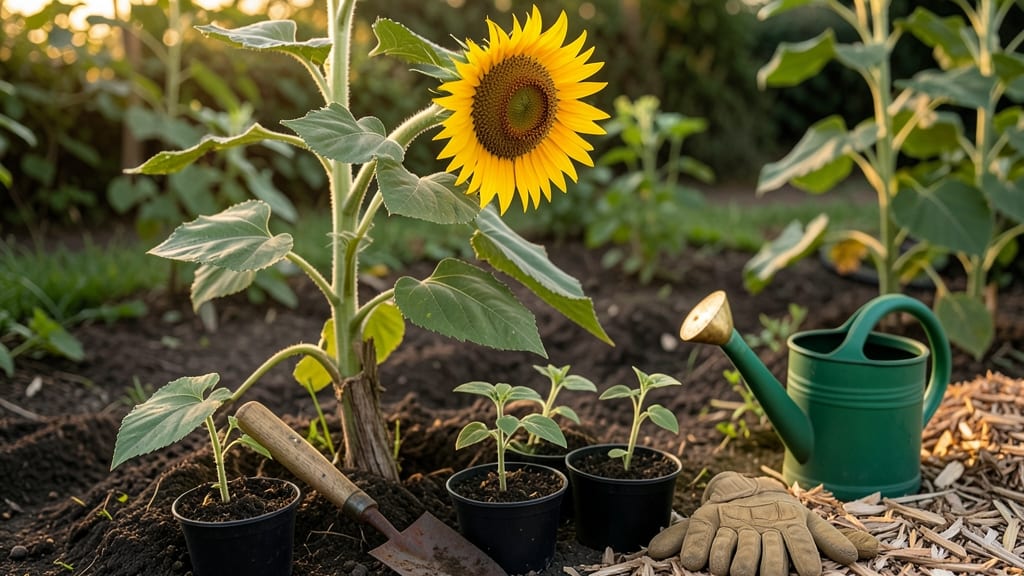
Planting sunflowers in Georgia means timing your seeds for the longest bloom season possible—because a late frost or early heatwave can turn your 🌻 dreams into stunted stalks.
Here’s the catch: Georgia’s USDA zones 7a-8b stretch from the coastal flatlands to the North Georgia mountains, and each microclimate has its own frost-free rules. Plant too early in the Piedmont, and you risk a March chill that halts growth.
Wait too long in South Georgia, and the summer heat arrives before the seeds even sprout.
This guide breaks down the exact planting windows for your region—whether you’re in the Atlanta metro area, the Appalachian foothills, or the sandy soils of the coast—plus how to adjust for Georgia’s unpredictable weather.
You’ll learn the best sunflower varieties for your zone, soil prep secrets to beat drought, and even how to stretch your harvest into fall with a few simple tricks.
Georgia’s sunflower planting windows by USDA hardiness zones 7A-8B
Georgia’s diverse climate—from the humid Coastal Plain to the cooler North Georgia Mountains—creates five distinct sunflower planting zones. Each microclimate has its own frost-free window, soil warmth timing, and heat tolerance challenges.
Understanding these differences ensures your sunflowers grow tall, healthy, and full of vibrant blooms. Let’s break down the best planting times for each zone to maximize your harvest.
Sunflowers thrive in Georgia’s USDA Zones 7A-8B, but the key to success lies in planting after the last frost and before summer’s intense heat.
In Zone 7A (e.g., North Georgia Mountains), wait until mid-April to avoid late frosts, while Zone 8B (e.g., Coastal Georgia) can start as early as mid-March. Summer planting is also possible in most zones, but timing matters to avoid bolting or stunted growth.
🌱 Pro Tip: Always check your local frost-free date (typically March 15–April 15) and adjust by 2–4 weeks for safety. Use the UGA Extension Planting Calendar for real-time updates.
| Microclimate Zone | USDA Zone | Spring Planting Window | Summer Planting Window | Fall Planting Window | Heat Tolerance Notes |
|---|---|---|---|---|---|
| North Georgia Mountains | 7A | Mid-April to May 15 | June 1–July 15 | None (too cold) | Plant heat-tolerant varieties like 'Autumn Beauty'; mulch to retain soil warmth. |
| Atlanta Metro | 7B | Late March to April 30 | May 15–July 10 | August 1–15 | Use shade cloth for late summer plantings to prevent bolting. |
| Piedmont Region | 7B-8A | Early March to May 1 | May 1–August 1 | August 15–September 1 | Ideal for dwarf varieties; water deeply during dry spells. |
| South Georgia | 8A-8B | Mid-February to April 15 | April 1–September 1 | September 1–October 1 | Long growing season; plant fast-maturing varieties like 'ProCut'. |
| Coastal Georgia | 8B | Late February to March 31 | March 15–October 15 | September 15–November 1 | Humidity-prone; ensure good airflow and fungicide if needed. |
🌡️ Key: Adjust dates 1–2 weeks earlier for sandy soil or later for clay.
For spring plantings, aim to sow seeds 4–6 weeks before your last frost date. In Zone 7A, this means waiting until mid-April, while Zone 8B gardeners can start as early as late February.
Soil temperature should be at least 55°F for optimal germination. Use a soil thermometer to check—cold soil delays sprouting.
Summer planting is trickier but rewarding in Georgia’s heat. Start seeds indoors 4–6 weeks before your target outdoor date (e.g., late June for a September harvest). Use shade cloth to protect seedlings from intense afternoon sun. Varieties like 'Moulin Rouge' tolerate heat better than standard types.
Fall plantings are possible in Zones 7B-8B, particularly in South Georgia and Coastal areas. Sow seeds in late July to early August for a September–October harvest before the first frost. Choose short-day varieties like 'Autumn Beauty' to ensure blooming before winter sets in.
🌻 Heat Tolerance Tip: If planting in July or August, water deeply in the early morning to prevent stress. Mulch with straw to retain moisture and cool the soil. Avoid overhead watering to reduce fungal risks like powdery mildew.
In North Georgia Mountains (Zone 7A), focus on spring and early summer plantings. The shorter growing season limits fall options, but you can extend it by choosing fast-maturing varieties (e.g.,
How to adjust sunflower planting for Georgia’s unpredictable weather patterns
Georgia’s unpredictable weather—from late frosts in April to scorching heatwaves by June—can throw off even the most experienced gardener. Sunflowers, while resilient, need strategic adjustments to thrive in these conditions.
The key is preparing your soil, protecting young plants, and choosing the right planting window for your specific microclimate.
In Northern Georgia (USDA Zone 7a), late frosts can linger until mid-April, while Southern Georgia (Zone 8b) may experience early heatwaves by late March.
This variability means your planting strategy must be flexible. Start with soil warming techniques and have shade cloth ready to shield seedlings from sudden temperature swings.
⚠️ callout-warning
Even in Zone 8, April frosts can kill young sunflowers. Wait until soil temps reach 60°F+ (use a soil thermometer) before planting. For extra safety, use row covers or plant after Mother’s Day (May 10th), when frost risk drops significantly.
Begin by amending your soil with compost or aged manure to improve drainage and retain moisture during Georgia’s summer droughts. Sunflowers prefer well-draining soil with a pH between 6.0–7.5.
In clay-heavy areas (common in Piedmont regions), mix in sand or perlite to prevent waterlogging, which can stunt growth or invite fungal diseases.
For early spring plantings, use black plastic mulch to warm the soil faster and deter weeds. This is especially helpful in North Georgia’s cooler microclimates, where seeds may take longer to germinate. Remove the mulch once plants reach 6 inches tall to avoid overheating roots during summer.
When heatwaves hit (common by June in most of Georgia), protect young sunflowers with 30–50% shade cloth until they’re established. This prevents bolt stress, where plants grow tall and leggy without proper blooming.
Once hardened off, sunflowers can handle full sun and even drought conditions, but early support with stakes or cages helps them withstand windy storms.
Extend your growing season with companion planting. Pair sunflowers with bush beans or marigolds to improve soil nitrogen and deter pests like cucumber beetles. In Southern Georgia’s hotter zones, try fall plantings in late July for blooms by October, just before the first frost.
Choose fast-maturing varieties like ‘ProCut’ (50 days) to ensure harvest before cold snaps.
Monitor local weather forecasts and adjust your watering schedule—sunflowers need 1–2 inches of water weekly, but reduce frequency in established plants to encourage deep root growth. Mulch with straw or wood chips to lock in moisture and regulate soil temperature.
With these adjustments, your sunflowers will thrive year-round, even in Georgia’s fickle climate. 🌻