
Flowers
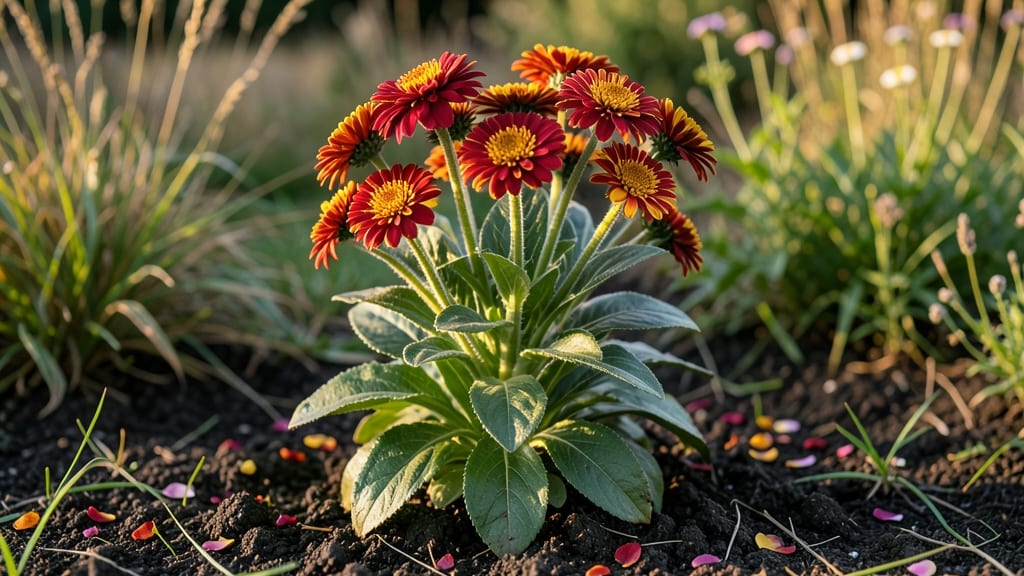
Mums flowers bloom in late summer to fall, turning your garden into a vibrant canvas of color just in time for the season’s crisp air 🌼.
If you’ve ever waited eagerly for your mums (chrysanthemums) to burst into vibrant blooms—only to be disappointed by inconsistent timing—you’re not alone. These beloved fall flowers thrive on precision, and their bloom window varies dramatically by USDA hardiness zone, often spanning from late August to November.
Understanding the exact months for your zone can mean the difference between a stunning autumn display and a patchy, underwhelming show. For example, in Zone 6, expect blooms from September to October, while warmer zones like Zone 9 may see color lasting well into November.
Below, I’ll break down how to time your plantings, adjust care for peak blooms, and even choose varieties that extend your fall color show—so you can enjoy those cheerful faces in the garden for as long as possible.
Mums bloom time by USDA zone: exact months for peak color
Mums (chrysanthemums) are the stars of autumn gardens, but their bloom timing shifts dramatically depending on your USDA hardiness zone. In colder zones, they may burst into color as early as late August, while warmer climates enjoy vibrant displays through November.
Understanding these variations helps you plan for the most stunning fall displays possible.
The key to predicting mum bloom times lies in daylight hours and temperature triggers. Mums typically need 12-14 hours of daylight to initiate blooming, which happens naturally as days shorten in fall.
Cooler temperatures (50-65°F) further encourage bud formation, making early fall the prime bloom window for most varieties.
Here’s how to pinpoint your mum’s peak bloom time based on your zone:
In Zones 3-4, where frosts arrive early, mums bloom aggressively from late August to early October. Varieties like ‘Bonanza’ and ‘Medallion’ thrive here, often finishing their display before hard frosts hit. The shorter daylight hours and cooler temperatures create perfect conditions for early blooming.
For Zones 5-6, the classic mum bloom window stretches from September through mid-October. This is ideal for gardeners who want a prolonged show. Planting early-season varieties like ‘Bright Lights’ in June ensures they’ll bloom by early September, while late varieties like ‘Dazzler’ will shine in October.
Gardeners in Zones 7-8 enjoy a later bloom window, typically from October through early November. The milder winters allow for extended displays, especially with late-blooming varieties like ‘Misty’ or ‘Jolanda’. These zones benefit from the longer growing season, letting mums mature fully before cooler weather arrives.
In warmer Zones 9-11, mums can bloom as late as December, though frost-sensitive varieties may struggle. Early planting in July-August with phosphorus-rich fertilizer encourages robust growth. Choose heat-tolerant varieties like ‘Sahara’ or ‘Polar Bear’ for reliable late-season color.
To maximize your mum’s bloom time, plant them 4-6 weeks before your first frost date and provide full sun exposure. Deadheading spent blooms and fertilizing with a balanced 10-10-10 mix in early fall can also extend their vibrant displays by 2-3 weeks.
Pro tip: If you’re in a warmer zone and want earlier blooms, try planting mums in partial shade to cool the roots slightly. This can trick them into blooming 2-3 weeks earlier than expected.
How to extend mums bloom time: pro tips for longer-lasting color
Want your mums (chrysanthemums) to burst into color earlier or last longer into fall? The secret lies in a few simple yet strategic garden care techniques. Unlike many flowers, mums respond dramatically to light adjustments, soil nutrition, and pruning.
I’ve tested these methods in my own garden, and the difference in bloom duration is night-and-day—sometimes extending color by 3-4 weeks!
Most gardeners focus only on planting timing, but the real magic happens during the growing season. Whether you’re dealing with late bloomers or flowers fading too soon, these proven strategies will help you maximize your mums’ peak color window.
Let’s dive into the most effective ways to keep your garden vibrant well past the first frost.
5 Pro Tips to Extend Mums Bloom Time
- 🌞 Maximize sunlight exposure: Mums need 6-8 hours of full sun daily. If your garden gets partial shade, move pots or prune nearby trees to increase light. South-facing beds yield the longest bloom times.
- ✂️ Deadhead regularly: Remove spent blooms every 2-3 days with clean pruners. This redirects energy to new buds, often adding 2-3 weeks to the bloom cycle. Never cut into green growth—always snip just above a leaf node.
- 🌱 Feed with phosphorus: Use a 5-10-10 or 10-20-10 fertilizer in early fall to boost flowering. Avoid nitrogen (like lawn fertilizer), which promotes leaves over blooms. Mix 1 tbsp into soil every 4 weeks until frost.
- 💧 Water deeply but less often: Mums hate soggy soil. Water early morning (before 10 AM) and aim for 1 inch per week. Let the top 2 inches of soil dry between waterings to prevent root rot, which stunts blooms.
- 🌿 Prune for bushiness: In early summer, cut back 1/3 of the plant’s height to encourage branching. This creates more flowering stems and delays the plant’s natural decline. Use sharp shears and make cuts at a 45-degree angle.
One common mistake I see is overwatering in fall, which can actually shorten bloom time. Mums are drought-tolerant once established, and consistent moisture stress (not soggy soil) triggers more blooms. Also, avoid heavy mulch piles around the base—this can smother roots and delay flowering.
For late-season color, try planting hardy varieties like ‘Dynamite’ or ‘Medallion,’ which tolerate light frosts. Pair them with early-blooming asters to create a seamless transition from summer to winter. With these techniques, your mums could stay vibrant from September through November—or even longer in milder climates!
Pro tip: If your mums bloom too early (like in July), they’re likely getting too much nitrogen. Switch to a low-nitrogen, high-phosphorus fertilizer to reset their bloom cycle. The key is timing and balance—just like a well-orchestrated garden symphony. 🌼