
Plants
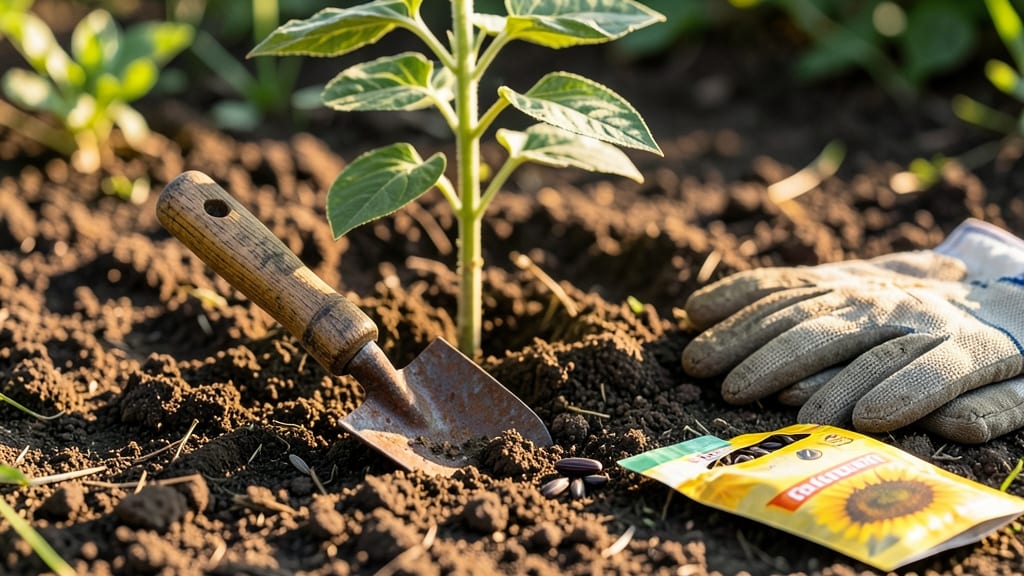
Planting sunflower seeds at the best time for your zone means the difference between fast, towering blooms and a sad, leggy stalk that never quite makes it.
Picture this: July sunflowers nodding in your garden, their golden faces tracking the sky like tiny suns. But here’s the catch—those vibrant displays only happen when you plant them after the last frost, when the soil is warm enough to encourage roots to dive deep.
Skip that window, and you’re left with slow starters or worse, plants that bolt too fast, leaving you with no flowers at all.
Your USDA zone, local climate, and even soil temperature all play a role in the perfect timing. In Zone 6a, like many gardeners, that means waiting until mid-April (after your last frost date), but in warmer zones, you might start as early as March.
The key? Planting when the ground is at least 55°F—any cooler, and those seeds just sit there, waiting.
In this guide, I’ll break down the exact dates for your zone, how to prep your soil for fast germination, and why some gardeners swear by succession planting for nonstop blooms.
Plus, I’ll debunk the myth that sunflowers can’t handle transplanting—spoiler: they can, and it might just give you an edge.
USDA zone-specific sunflower planting dates for maximum blooms
Sunflowers are one of the most rewarding plants to grow, but their blooming success hinges entirely on planting timing. Unlike many annuals, sunflowers are frost-sensitive and need warm soil to germinate quickly.
Planting too early in cold zones risks seed rot, while late planting in hot climates can lead to bolting stress or stunted growth. Let’s break down the perfect planting windows by USDA zone to ensure your sunflowers reach their full potential.
Most gardeners make the mistake of relying solely on USDA zone numbers without considering local frost dates or soil temperature. For example, a Zone 5 garden in Minnesota will have a very different planting window than a Zone 5 garden in upstate New York due to microclimates.
Coastal areas often experience warmer springs earlier than inland locations, while high-elevation gardens may need to wait 2-3 weeks longer for safe planting.
The key to fast, healthy growth is planting sunflower seeds when the soil temperature reaches at least 55°F (13°C)—this ensures quick germination (usually within 7-14 days).
Below is a zone-by-zone guide to help you pinpoint the ideal planting window for your region, along with adjustments for coastal vs. inland conditions.
| USDA Zone | Best Planting Window | Soil Temp Requirement | Last Frost Date | Coastal Adjustment |
|---|---|---|---|---|
| Zones 3-4 | Mid-May to early June | 55°F+ (13°C+) | May 10-20 | Plant 1-2 weeks earlier |
| Zones 5-6 | Late April to mid-May | 55°F+ (13°C+) | April 20-May 10 | Plant 1 week earlier |
| Zones 7-8 | Early April to early May | 50°F+ (10°C+) | March 20-April 10 | Plant 1 week later (heat risk) |
| Zones 9-10 | February to early March | 45°F+ (7°C+) | January 20-February 10 | Avoid late planting (bolting risk) |
| Zone 11 | Year-round (succession plant) | 50°F+ (10°C+) | No frost | Plant every 4-6 weeks |
🌱 Note: Adjust dates based on your local last frost average and soil warmth.
If you’re in Zones 3-4, planting sunflowers too early can be disastrous—cold, wet soil causes seeds to rot before they germinate. Instead, wait until the soil temperature consistently stays above 55°F (13°C), which typically aligns with mid-May in these colder regions.
For Zones 5-6, aim for late April to mid-May, but monitor your local frost forecast—a late frost can kill young seedlings.
Gardeners in Zones 7-10 have more flexibility but must balance early planting (to avoid
How to time sunflower planting for your local climate (not just Zones)
Your USDA zone gives a starting point, but local microclimates can shift planting windows by weeks or even months. High elevations, coastal breezes, and urban heat islands all create unique conditions.
For example, a Zone 6 garden at 5,000 feet elevation might need to plant sunflowers 2-3 weeks later than sea-level gardens in the same zone.
Don't rely solely on frost dates—soil temperature is the real game-changer. Sunflower seeds need soil that's at least 55°F (13°C) to germinate. A soil thermometer (just $10 at garden centers) reveals the truth behind your zone's averages.
I've seen Zone 7 gardens with cold, slow-warming soils that needed to wait until mid-May when their neighbors planted in April.
In cold climates (Zones 3-5), extend your season by starting seeds indoors 2-3 weeks before your last frost date. Use grow lights or a sunny windowsill, and transplant outdoors when seedlings have 2-3 true leaves.
I've grown giant sunflowers in Zone 4 by starting seeds in late March under lights!
For hot climates (Zones 8-11), avoid planting in peak summer heat—sunflowers bolt (flower too early) when stressed. Instead, focus on fall plantings (August-September) for winter blooms. In Zone 10, I've had sunflowers bloom in December by planting in late summer.
Pro tip: Mulch heavily after planting to keep soil temperatures stable. A 3-inch layer of straw maintains warmth in spring and prevents soil from overheating in summer. This simple trick can extend your planting window by 1-2 weeks in both directions.
Remember, sunflowers are fast growers—most varieties reach maturity in 80-100 days. With the right timing, you'll have towering blooms from July through October, even in challenging climates. The key is local adaptation, not just zone numbers. 🌻