
Blooming
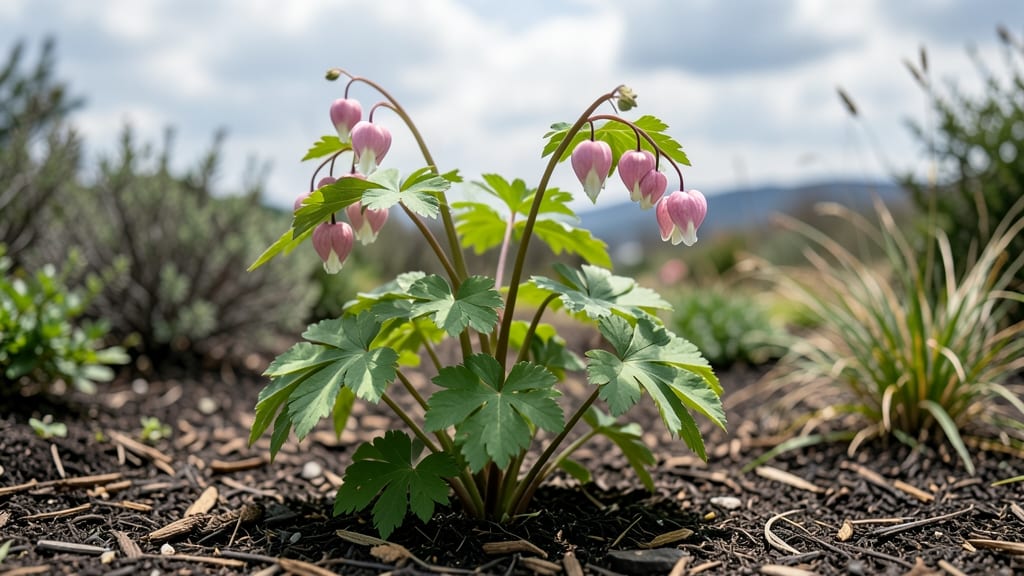
The bleeding heart flower bloom time is a delicate balance of patience and care, with those iconic heart-shaped blossoms typically gracing gardens in late spring—but timing can shift by weeks depending on where you live.
If you’ve ever planted 💜 Dicentra spectabilis only to stare at lush foliage with zero blooms, you’re not alone. This shade-loving perennial waits until the air warms just right, and even a few degrees can push blooms from April into June—or delay them until May if your zone runs cooler.
Below, I’ll break down the exact bloom windows by USDA zone, plus the three key factors (sunlight, soil, and pruning) that can advance or stall those heart-shaped charmers by weeks.
You’ll also learn how to coax a second flush of blooms and pair your bleeding hearts with companions that extend your garden’s spring color show.
When bleeding heart flowers bloom by USDA planting Zones: a month-by-month guide
Bleeding heart flowers (Dicentra spectabilis) are famous for their heart-shaped blooms that transform shady gardens into romantic retreats. But their bloom timing varies dramatically by USDA zone and regional climate.
In Zone 3, expect early blooms in late April, while Zone 9 gardeners may see flowers as late as June. Understanding these patterns helps you plan for peak performance and avoid common pitfalls like missed blooms or leggy growth.
First-year plants often bloom sparingly or not at all, but established plants reward patience with 3-4 weeks of vibrant flowers. Regional differences also play a role—Pacific Northwest gardens bloom earlier due to cooler springs, while Midwest gardens may delay until late May.
Let’s break down what to expect in your zone, plus tips to encourage longer blooming.
| USDA Zone | Typical Bloom Window | First-Year Blooms? | Regional Note |
|---|---|---|---|
| 3-4 | Late April - Early May | Minimal (focus on roots) | Cold springs delay blooms |
| 5-6 | Mid-April - Mid-May | Light blooms possible | Pacific Northwest blooms 2 weeks earlier |
| 7-8 | March - Early April | Rare (established plants only) | Humid climates may cause mildew |
| 9 | February - March | Possible in mild winters | Heat-sensitive; needs afternoon shade |
In Zones 3-4, where winters are harsh, bleeding hearts often bloom later due to cold soil delaying root activity. Plant in well-draining, moist soil with mulch protection to encourage earlier blooms.
Meanwhile, Zones 7-9 experience milder winters, allowing some varieties to bloom as early as February—though heatwaves can stress plants before they finish flowering.
First-year plants prioritize root establishment, so don’t expect much in their inaugural season. Instead, focus on partial shade placement and consistent moisture. By year two, established plants typically produce 2-3 feet of lush foliage topped with heart-shaped blooms in shades of pink, white, or red.
The key to prolonging blooms? Deadheading spent flowers and avoiding over-fertilizing with nitrogen.
Regional microclimates also shift bloom times. For example, Pacific Northwest gardens in Zone 6 often see blooms 2 weeks earlier than Midwest counterparts due to cooler, wetter springs. Conversely, Mid-Atlantic gardens may experience delayed blooms if late frosts hit in May.
To adapt, choose early-blooming varieties like ‘Stuart Boothman’ for cooler zones or late-season types like ‘Alba’ for warmer climates.
Climate plays a surprising role in bloom duration. Humid summers (common in Zones 7-9) can shorten flowering by promoting powdery mildew, while dry heat (like in Zone 5) may cause buds to drop prematurely.
To combat this, water deeply in the morning and apply fungicide preventatively if your area is prone to mildew. In drought-prone zones, mulching with organic matter helps retain moisture and cool roots.
For gardeners in Zones 3-5, timing your spring planting matters. Aim to plant bare-root tubers in early spring (as soon as soil is workable) to give roots time to establish before blooming.
In Zones 6-9, you can plant container-grown plants in fall or early spring, though fall plantings may bloom slightly later the following year.
One common mistake is assuming all bleeding hearts bloom at the same time. In reality, varieties like ‘King of Hearts’ (deep pink) bloom 2 weeks earlier than ‘Valentine’ (white). Mixing varieties in your shade garden creates a staggered display from late spring to early summer.
To maximize this effect, plant 3-5 tubers per variety in clusters for a dramatic cascading effect.
After blooming, bleeding hearts enter a summer dormancy period. Prune back dead foliage in late June to encourage new growth for next year. Avoid cutting too early—wait until leaves yellow naturally.
In Zones 8-9, where summers are hot, provide extra afternoon shade to prevent leaf scorch, which weakens plants for the following season’s blooms.
If your bleeding hearts skip blooming entirely, check these common culprits: too much sun (causes stress), over-fertilizing with nitrogen (prom
How to extend bleeding heart bloom time: pruning, deadheading, and seasonal care
Bleeding heart flowers (Dicentra spectabilis) typically bloom for just 4–6 weeks in spring, but with the right care, you can coax a second flush of flowers later in the season.
The key lies in pruning, deadheading, and seasonal adjustments that encourage continuous growth. Many gardeners miss these subtle cues, leading to shorter bloom cycles than expected.
First, understand that bleeding hearts naturally decline after their initial bloom due to energy conservation. However, by removing spent blooms and adjusting care, you signal to the plant that it should keep producing.
Start with proper deadheading techniques—this isn’t just about looks, but also about redirecting the plant’s energy toward new growth instead of seed production.
- 🌱 Deadhead spent blooms immediately after flowers fade to prevent seed formation and encourage new buds.
- ✂️ Prune back foliage by ⅓ after the first bloom cycle to promote a second flush in late summer.
- 💧 Water deeply 2–3 times per week during bloom season to keep soil consistently moist but not soggy.
- 🌿 Fertilize lightly with a balanced 5-10-10 fertilizer in early spring and after deadheading for renewed growth.
- ☀️ Provide afternoon shade to prevent leaf scorch, which weakens the plant and shortens bloom duration.
One common mistake is over-pruning after the first bloom. While it’s tempting to tidy up, cutting back too aggressively can shock the plant and delay—or even prevent—a second bloom.
Instead, focus on selective pruning: remove only the most spent stems and leave healthy foliage intact to photosynthesize and store energy.
For a second flush of blooms, time your pruning right. After the initial bloom cycle (typically May–June), wait until early July before cutting back stems by ⅓. This timing allows the plant to recover and redirect energy toward late-summer blooms.
Pair this with reduced fertilizer in late summer to avoid encouraging too much foliage at the expense of flowers.
Adjusting your watering schedule also plays a crucial role. During peak bloom, bleeding hearts need consistent moisture, but avoid waterlogging, which can cause root rot. In hotter zones (like 7–9), mulch around the base with 2–3 inches of organic matter to retain moisture and regulate soil temperature.
This simple step can extend bloom time by up to 2–3 weeks in ideal conditions.
Finally, avoid the temptation to fertilize in late summer or fall. Bleeding hearts enter dormancy as temperatures drop, and feeding at this stage can lead to weak, leggy growth. Instead, focus on light feeding in early spring and after deadheading to set the stage for next year’s blooms.
With these adjustments, you’ll enjoy longer, more abundant blooms year after year.