
Planting
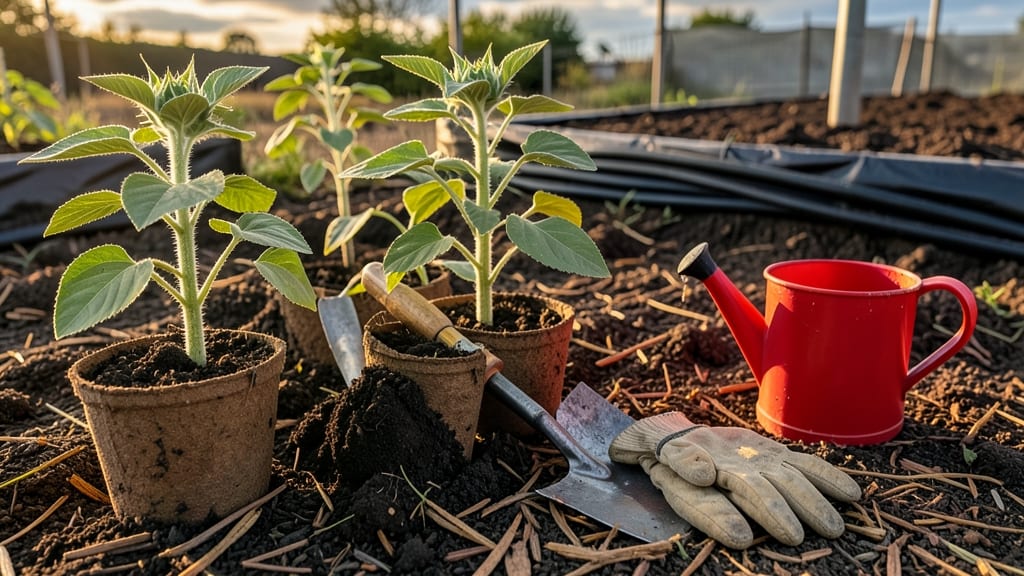
Planting sunflowers in June is absolutely possible — with the right varieties and a few smart adjustments, you can still enjoy tall blooms and strong stems by summer’s end.
Sunflowers bring joy to any garden, but planting them in June can be tricky — will they still thrive, or will summer heat stifle their growth? The answer depends on timing, variety, and a few key gardening strategies.
June planting works best in USDA Zone 6a and beyond, where the growing season stretches into October. Dwarf varieties like 'Moulin Rouge' mature faster, while taller types need extra care to avoid wilting in the heat.
Below, I’ll cover the best sunflower picks for late starts, how to prep soil for summer heat, and watering tricks to keep your 🌻 stems sturdy until harvest. No experience needed — just follow these steps for reliable blooms!
Best sunflower varieties for June planting and their growth expectations
Planting sunflowers in June can still yield stunning results if you choose the right varieties and understand their growth timelines. While traditional spring plantings give sunflowers a full season to mature, late June starts can produce compact blooms that thrive in summer heat.
The key is selecting fast-maturing or heat-tolerant varieties that won’t bolt prematurely.
June plantings work best in USDA Zones 5-9, where summer temperatures stay above 60°F consistently. In hotter climates like Zone 10, sunflowers may struggle with heat stress or drought unless given extra care.
The varieties I recommend below balance speed, size, and heat tolerance for late-season success.
Here’s how heat affects sunflower growth: temperatures above 85°F can slow flowering, while consistent moisture helps plants bolting (stem elongation) even in June. Dwarf varieties often perform better in late plantings because they mature faster and require less water than their towering cousins.
For June plantings, aim for varieties with 50-60 day maturity timelines. This gives them enough time to establish roots before fall frosts arrive. Some varieties even rebloom if deadheaded, extending your seasonal display into early autumn.
| Variety | Type | Mature Height | Days to Bloom | June Planting Notes |
|---|---|---|---|---|
| Moulin Rouge | Dwarf | 2-3 ft | 50-55 days | Best for containers; heat-tolerant with double blooms. |
| Autumn Beauty | Standard | 5-6 ft | 60-70 days | Color-changing blooms; reblooms if deadheaded. |
| Russian Giant | Standard | 10-16 ft | 80-120 days | Needs longer season; best in cooler climates. |
| Teddy Bear | Dwarf | 1-2 ft | 55-60 days | Perfect for small gardens; early bloomer. |
| Lemon Queen | Standard | 6-8 ft | 65-75 days | Unique lemon-yellow blooms; drought-resistant. |
Dwarf varieties like Moulin Rouge and Teddy Bear are ideal for June plantings because they mature quickly and don’t require as much water as their taller counterparts. These compact sunflowers also make excellent cut flowers and container plants, perfect for patios or balconies.
If you’re aiming for tall sunflowers in June, prioritize Autumn Beauty or Lemon Queen. These varieties can still reach impressive heights but with a shorter growth window. For Russian Giant, June plantings are risky unless you’re in a cooler microclimate or can provide shade cloth during heatwaves.
Heat stress in June can cause sunflowers to bolt too quickly, producing smaller blooms or stunted growth. To combat this, I recommend deep watering at the base of the plant every 3-4 days
Critical June planting tips to ensure strong sunflower stems and blooms
June sunflower planting requires soil prep that prioritizes moisture retention and nutrient availability. Start by amending your garden bed with 2-3 inches of compost or well-rotted manure. Sunflowers thrive in loamy soil with a pH between 6.0 and 7.5, so test your soil if possible.
For heavy clay soils, mix in sand or perlite to improve drainage, as June heat can bake the soil and stress young seedlings.
Choose a sunny location with at least 6-8 hours of direct sunlight, but avoid areas with intense afternoon heat. If your region experiences 90°F+ temperatures, provide afternoon shade using lightweight shade cloth (30-50% coverage) until plants reach 12 inches tall.
This helps prevent heat stress while allowing sufficient light for photosynthesis.
⚠️ callout-warning
Many gardeners drown sunflower seedlings in June by watering too frequently. Sunflowers need deep watering (1-2 inches per week), not light daily sprinkles. Shallow watering encourages weak stems and fungal diseases like powdery mildew. Always water at the base of plants in the morning to reduce evaporation and disease risk.
Watering is the most critical factor for June sunflowers. Aim for deep watering 2-3 times per week rather than daily light showers. Use a soaker hose or drip irrigation to deliver water directly to the roots, keeping the soil consistently moist but not soggy.
Mulch with 2-3 inches of straw or wood chips to lock in moisture and regulate soil temperature. Avoid wetting the leaves to prevent fungal infections during humid June afternoons.
Fertilize June-planted sunflowers lightly at planting with a balanced 10-10-10 fertilizer (1 tablespoon per plant). Skip heavy nitrogen feeds, which promote leafy growth at the expense of flower development. Instead, side-dress with compost tea or bone meal when plants reach 1 foot tall to encourage strong stems and blooms.
Avoid fertilizing in the last 30 days before harvest to prevent bitter-tasting seeds.
To support tall sunflower varieties (like 'Russian Giant'), install stakes or cages at planting time. June heat can cause stems to weaken, making them vulnerable to wind or rain damage. Space stakes 12-18 inches apart and tie stems loosely with soft plant ties as they grow.
For dwarf varieties (like 'Teddy Bear'), stakes are optional but can help prevent flopping in heavy rain.
Monitor your sunflowers for pests like aphids or sunflower moths, which thrive in June's warm conditions. Use neem oil spray or introduce ladybugs as natural predators. Remove any yellowing leaves promptly to improve airflow and reduce disease spread.
With these adjustments, your June-planted sunflowers can reach mature heights and produce vibrant blooms by late summer!