
Blooming
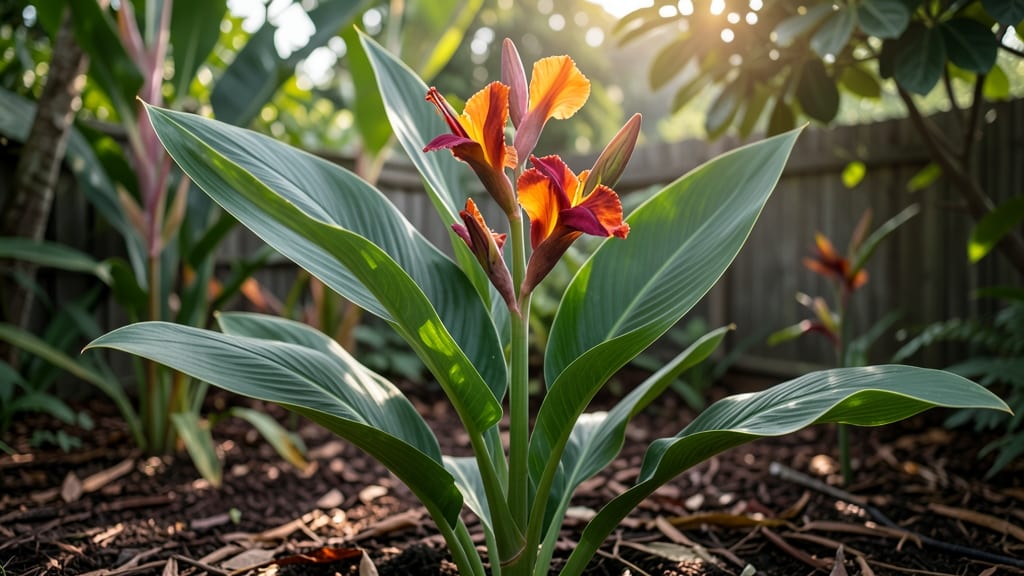
Canna lilies flower in late summer to early fall 🌺, but the exact timing depends on your zone, planting window, and a few simple care tweaks.
If you’ve ever waited impatiently for your canna lilies to burst into vibrant blooms, you’re not alone—timing is everything in tropical gardening. But knowing exactly when your cannas will flower depends on your hardiness zone, sunlight exposure, and a few other key factors.
For most gardeners in USDA Zone 6a, like me, the blooms typically arrive in July or August, peaking through September. However, southern growers in Zone 10 might see flowers as early as June, while northern gardeners in Zone 7 could wait until late August.
Here’s the game-changer: with the right sunlight, soil warmth, and a little extra care, you can coax your cannas to bloom earlier—or stretch their season into October. I’ll walk you through the exact steps to predict and extend your canna’s flowering time, no guesswork required.
Canna flowering timeline by USDA hardiness Zones: when to expect blooms
Predicting when your canna lilies will bloom depends heavily on your USDA hardiness zone and whether you plant tubers or in-ground rhizomes. In Zone 10 (tropical climates), cannas may flower year-round with minimal dormancy, while Zone 7 gardeners face tight summer windows before frost.
Understanding these zone-specific timelines helps you plan for vibrant summer displays and adjust care routines accordingly.
For most gardeners, canna flowering occurs between mid-July and October, but exact timing shifts dramatically based on your location. Southern growers in Zones 9-10 often see blooms as early as June, while northern gardeners in Zones 7-8 may not see flowers until late August.
Let’s break down the exact months you can expect blooms in each zone, along with key adjustments for tuber-planted vs. in-ground cannas.
🌺 Pro Tip: Early bloomers like 'Striped Queen' often flower 2-4 weeks sooner than late varieties such as 'Australia'. Choose varieties based on your zone’s frost risk to maximize your blooming window.
| USDA Zone | Tuber-Planted Blooms | In-Ground Blooms | Frost Risk Notes |
|---|---|---|---|
| Zone 10 (Tropical) | June–November | May–December | Minimal frost; year-round blooms possible with care. |
| Zone 9 (Warm) | July–October | June–November | Light frost possible in late fall; dig tubers by November. |
| Zone 8 (Moderate) | August–September | July–October | First frost typically arrives by October 15; protect tubers early. |
| Zone 7 (Cool) | Late August–October | Late July–September | Frost likely by October 1; plant tubers after last frost (April–May). |
| Zone 6 (Cold) | September–October | Late July–August | Short season; prioritize early-blooming varieties like 'Durban'. |
In Zone 10, cannas thrive year-round with continuous blooms from June to November, especially when tubers are planted in spring (March–April). The warm climate allows for in-ground planting with minimal dormancy, but gardeners should still monitor for late-summer heat stress, which can delay flowering.
For Zone 9 gardeners, the key is early planting—tubers should go in the ground by March to ensure blooms by July. In-ground cannas planted in February may flower as early as June, but late plantings risk missing the peak summer bloom window.
Always dig up tubers before November to prevent frost damage.
Gardeners in Zones 7-8 face the biggest challenges due to frost risk. Plant tubers after your last frost date (typically April–May) for late August–September blooms. In-ground cannas planted in early June may produce July flowers, but expect a shorter display.
Use black plastic mulch to extend the season by 2-3 weeks in colder zones.
If you’re in Zone 6, your short growing season demands strategic variety selection. Opt for early-blooming cannas like 'Durban' or 'Pactolus', which flower in late July–August.
Plant tubers in May (after frost) and protect them with row covers once blooms appear to extend the season into early October.
One common mistake is assuming soil temperature doesn’t matter—it does! Cannas need soil temps above 60°F to flower. In northern zones, use black plastic mulch or heat-absorbing landscape fabric to warm the soil faster. This can advance blooms by 3-4 weeks in short seasons.
For container growers, timing shifts slightly. Tubers planted in pots by May in Zone 7 may bloom by late August, but moving containers indoors before frost can extend blooms into November. Use well-draining mix and large pots (12"+ diameter) to prevent root stress, which delays flowering.
🌿 Key Takeaway: Your canna’s flowering window is directly tied to your zone, planting method, and frost risk. Southern gardeners enjoy longer displays, while northern growers must prioritize early varieties and soil warmth.
Adjust care routines—like fertilizing in early summer and pruning spent blooms—to maximize your canna’s vibrant, showstopping display.
5 Proven ways to speed up canna flowering (even in short seasons)
Waiting for your canna lilies to bloom can feel like an eternity, especially in cooler climates. The good news?
With the right techniques, you can trigger earlier flowering and extend your blooming season. Sunlight exposure, soil warmth, and nutrient timing are the keys to coaxing those vibrant blooms ahead of schedule.
Let’s dive into the most effective methods to get your cannas flowering faster—no matter where you garden.
First, understand that cannas are heat-loving plants that need consistent warmth to initiate blooms. In short seasons, soil temperature and light intensity become critical. For example, cannas planted in Zone 7 or colder may need extra care to compensate for cooler springs.
By focusing on these five proven strategies, you can shave weeks—or even months—off your canna’s flowering timeline.
🌿 5 Ways to Speed Up Canna Flowering
- 🌞 Maximize sunlight with 6+ hours of direct sun daily—use reflective surfaces or move containers to sunnier spots.
- 🌡️ Warm soil to at least 70°F by using black plastic mulch or planting in raised beds.
- 🌱 Fertilize with a balanced NPK 10-10-10 in early spring, then switch to a phosphorus-heavy 5-10-10 when buds form.
- ✂️ Prune leggy stems to encourage bushier growth and redirect energy to flower production.
- 🌿 Boost blooms with organic compost tea or synthetic bloom-boosting fertilizers like 7-9-5.
Let’s start with the most impactful factor: sunlight exposure. Cannas thrive in full sun, but in cooler regions, they may need a helping hand. If your garden only gets partial shade, consider using reflective mulch or moving potted cannas to sunnier locations during peak hours.
For example, placing a white plastic sheet under containers can bounce extra light onto the plant’s leaves, mimicking a sunnier environment.
Next, soil temperature plays a huge role in flowering time. Cannas won’t bloom until the soil reaches at least 70°F. To speed this up, use black plastic mulch or plant in raised beds, which warm up faster than regular garden soil.
In Zone 7 or colder, you might even need to start tubers indoors under grow lights for a few weeks before transplanting to give them a head start.
When it comes to fertilizer schedules, timing and ratios matter. Start with a balanced 10-10-10 fertilizer in early spring to encourage leafy growth. Once you see flower buds forming, switch to a phosphorus-rich 5-10-10 to support blooming.
Organic options like fish emulsion or bone meal work well, but synthetic bloom boosters like 7-9-5 can deliver faster results in short seasons.
Don’t overlook the power of strategic pruning. If your cannas are growing too leggy, prune back 1/3 of the stems to encourage bushier growth and more flower stalks. This redirects energy from excessive foliage to bloom production.
Just avoid heavy pruning once buds appear, as this can delay flowering. A light trim to remove dead or yellowing leaves keeps the plant healthy and focused on producing vibrant blooms.
Finally, consider organic vs. synthetic boosters for flowering. Organic options like compost tea or kelp meal improve soil health gradually, while synthetic bloom-boosting fertilizers deliver quick results. For example, a 7-9-5 NPK ratio is ideal for cannas, as the higher phosphorus content encourages more abundant blooms.
Choose based on your timeline—organic for long-term benefits or synthetic for a faster show.