
Propagation
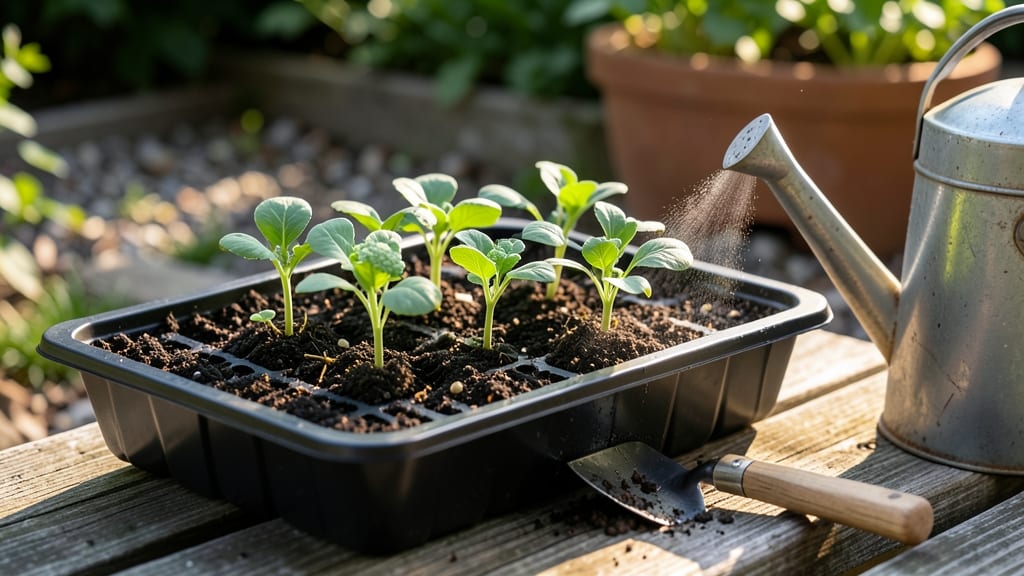
The cauliflower germination time typically ranges from 7 to 21 days, but timing your planting indoors vs. outdoors can make all the difference for a successful spring harvest 🥬.
Struggling to time your cauliflower planting perfectly? Knowing the exact germination window indoors vs. outdoors could mean the difference between a thriving harvest and wasted seeds.
Indoor starts give you a 5- to 14-day head start, while outdoor sowing can stretch to three weeks—unless you dial in the right conditions. Too much moisture or cold soil slows things down, while warm, consistent temps speed up those first green shoots.
Below, I’ll break down the science behind cauliflower germination, share my pro tips for faster sprouts, and walk you through troubleshooting when things go sideways.
How long cauliflower seeds take to germinate indoors vs. outdoors
If you're eager to grow your own cauliflower but unsure how long to wait for those first green sprouts, you're not alone. Germination times vary dramatically between indoor and outdoor conditions, and understanding these differences can help you plan your planting schedule like a pro.
Whether you're starting seeds in cozy trays or sowing directly into your garden bed, knowing the average germination window will keep your patience—and your seeds—happy.
For indoor germination, cauliflower seeds typically sprout within 5 to 14 days, depending on your setup. This controlled environment lets you fine-tune temperature, moisture, and light exposure to speed things along.
On the other hand, outdoor germination can take 7 to 21 days, as Mother Nature throws in unpredictable variables like soil temperature fluctuations and unpredictable weather patterns. Let’s break down what’s happening under the soil and how you can optimize your success.
One of the biggest factors affecting indoor germination time is soil temperature. Cauliflower seeds thrive when soil stays between 70°F and 85°F. If your indoor setup runs cooler, you might see sprouts take the full 14 days or longer.
Use a seedling heat mat to maintain consistent warmth, especially if you’re starting seeds in early spring or late fall when indoor temps can dip. I’ve found that placing my seed trays on a heat mat cuts germination time by nearly half, from 12 to just 6 days.
Outdoor germination, however, is at the mercy of weather conditions. If you’re sowing seeds directly into your garden, aim for soil temperatures of at least 60°F.
Cooler soils can stretch germination out to 21 days or more, while warmer springs might have seeds popping up in as little as 7 days. To check soil temperature, use a simple soil thermometer—it’s a game-changer for timing your outdoor plantings just right.
Pro tip: Wait until the last frost date has passed and the ground has warmed up before sowing, or your seeds could end up in a cold snap and fail to sprout.
Don’t overlook the role of seed quality in germination speed. Fresh seeds from a reputable supplier will sprout faster and more reliably than old or low-quality seeds. Always check the packaging date—seeds older than 1–2 years may have reduced viability.
I like to store my seeds in a cool, dry place to keep them viable longer. If you’re unsure about seed freshness, do a quick float test: Drop seeds in water. If they sink, they’re likely still good; if they float, it’s time to toss them.
Moisture levels play a critical role too, whether you’re germinating indoors or outdoors. Overwatering can lead to mold or rot, while underwatering causes seeds to dry out before sprouting. For indoor setups, keep the soil consistently moist but not soggy—think of it like a damp sponge. Outdoors, rely on natural rainfall or use a gentle watering can to avoid disturbing the seeds. I’ve learned the hard way that a heavy downpour can wash seeds away or create muddy conditions that suffocate them. A light misting is often enough to keep things going smoothly.
Light exposure also affects germination speed, though it’s less critical than temperature or moisture. Indoors, seeds don’t need light until they’ve spro
Optimal conditions to speed up cauliflower germination time
If you're eager to see those cauliflower sprouts emerge faster, you're not alone! The average germination time for cauliflower seeds ranges from 7-21 days outdoors and 5-14 days indoors, but with the right conditions, you can cut that window by 30-50%.
The secret lies in understanding how soil temperature, moisture levels, and light exposure work together to trigger faster sprouting. Let's dive into the science-backed methods that'll have your seeds popping up in record time.
First, focus on soil temperature—this is the single most critical factor. Cauliflower seeds germinate best when soil stays between 70-85°F. If your soil is cooler than 60°F, germination can stall for weeks. For indoor starters, use a seedling heat mat set to 75°F to maintain consistent warmth.
Outdoors, wait until the ground has warmed naturally or use black plastic mulch to raise soil temps by 5-10°F. Even a 5°F difference can shave 3-5 days off your germination timeline.
- 1 Soil Temperature: Maintain 70-85°F with a heat mat or mulch for 30% faster sprouting.
- 2 Pre-Soaking Seeds: Soak seeds in lukewarm water for 4-6 hours to soften seed coats and reduce germination time by 2-4 days.
- 3 Moisture Balance: Keep soil consistently moist (not soggy) with a spray bottle for indoor starts or drip irrigation outdoors.
- 4 Light Exposure: Provide 12-14 hours of light daily after germination (use grow lights indoors) to prevent leggy seedlings.
- 5 Seed Depth: Plant seeds 1/2 inch deep—deeper planting slows germination by 5-7 days due to reduced oxygen.
Don't overlook the power of pre-soaking seeds—this simple trick can shave 2-4 days off your germination timeline. Place your cauliflower seeds in a bowl of lukewarm water for 4-6 hours before planting. This softens the seed coat, allowing water to penetrate faster and kickstarting metabolic activity.
After soaking, plant immediately in moist, warm soil to maintain momentum. Pro tip: Use a paper towel method for indoor starts—lay seeds between damp paper towels in a sealed container for 24-48 hours until tiny roots appear, then transfer to soil.
Once your seeds are in the ground, moisture management becomes your best friend. Cauliflower seeds need consistent moisture to germinate, but overwatering can suffocate them. For indoor starts, use a spray bottle to mist the soil lightly every 1-2 days, keeping it damp like a wrung-out sponge.
Outdoors, use drip irrigation or a soaker hose to deliver water directly to the soil without disturbing seeds. A clear plastic dome over indoor trays creates a mini greenhouse effect, trapping warmth and humidity—just remember to ventilate daily to prevent mold.
Light plays a surprising role in cauliflower germination, even though seeds sprout underground. Once your seedlings emerge, they need 12-14 hours of light daily to prevent etiolation (those weak, leggy seedlings you dread). Indoors, supplement natural light with a full-spectrum LED grow light placed 2-3 inches above your trays.
Outdoors, choose a south-facing location for maximum sunlight exposure. If you're starting seeds in late winter, a grow light setup can advance your germination timeline by 5-7 days compared to waiting for natural light to strengthen.
Finally, pay attention to seed depth—planting too deep can delay germination by 5-7 days because seeds need oxygen to activate. Aim for a 1/2-inch depth in well-draining soil. If you're using peat pots or biodegradable containers, press seeds lightly into the surface rather than burying them.
For outdoor planting, create small furrows with your finger and place seeds 1/2 inch deep, then cover gently with soil. After planting, use a fine mist to settle the soil and keep seeds in contact with moisture—this small step can improve germination rates by 20-30%.
With these science-backed conditions in place, you'll see your cauliflower seeds sprouting in as little as 5-7 days indoors or 7-10 days outdoors—a 50% improvement over average timelines. The key is consistency: