
Flowers
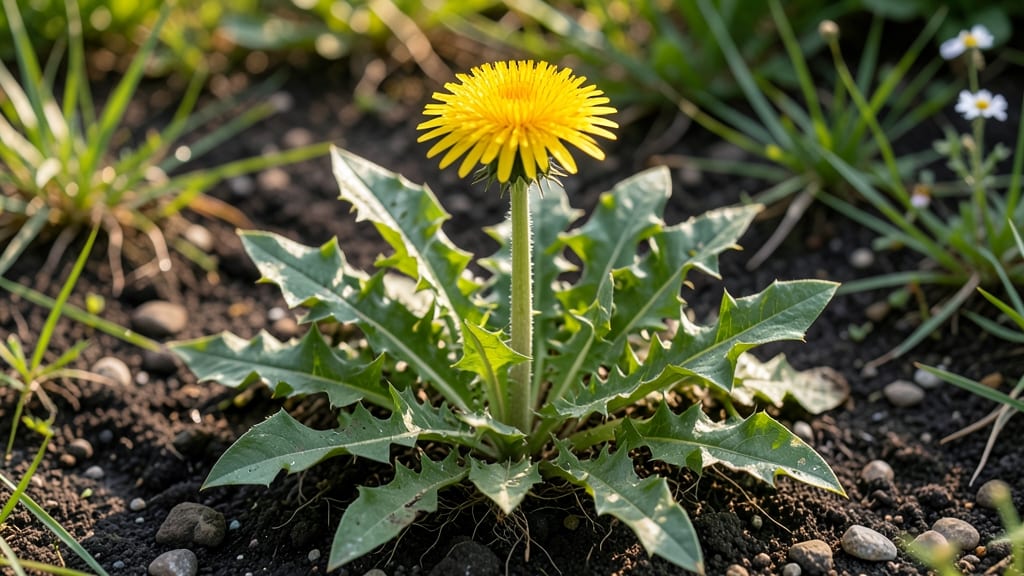
Weeds with yellow flowers spreading across your lawn as ground cover might seem harmless, but they can quickly take over and suffocate your grass.
Picture this: You’ve spent hours mowing, watering, and fertilizing, only to wake up one morning and see those bright yellow blooms popping up everywhere. Before you know it, your lawn looks more like a wildflower meadow than the manicured space you envisioned.
These persistent weeds—like Creeping Buttercup 🌼—don’t just ruin the look of your yard; they compete with your plants for nutrients, water, and sunlight. The good news? You don’t need harsh chemicals to tackle them. With the right strategies, you can remove them safely and keep your lawn thriving.
In this guide, I’ll walk you through how to identify these weeds, the most effective removal methods, and even some natural alternatives to keep your yard looking its best without the unwanted guests.
Common yellow-flowered ground cover weeds and how to spot them
Spotting yellow-flowered ground cover weeds early can save your lawn from becoming a patchwork of unwanted invaders. These aggressive plants don’t just compete for nutrients—they spread rapidly, smothering grass and garden plants. The key to control starts with accurate identification, so you can target removal methods effectively.
I’ve seen gardeners mistake these weeds for harmless wildflowers, only to watch their lawns degrade over time. Dandelions, creeping charlie, buttercups, clover, and henbit are the top culprits, each with distinct leaf patterns and growth habits.
Learning their seasonal timing helps too—some thrive in spring while others peak in fall.
Here’s a quick reference to help you distinguish these weeds at a glance, including their leaf shapes, flower structures, and root systems. This knowledge will make removal faster and more precise, protecting your landscape’s health.
| Weed Name | Leaf Pattern | Flower Color/Structure | Growth Habit | Peak Season |
|---|---|---|---|---|
| Dandelion | Toothed, rosette-shaped | Bright yellow, single flowers | Tall stems, deep taproot | Spring to fall |
| Creeping Charlie | Smooth, kidney-shaped | Yellow, star-like clusters | Creeping stems, shallow roots | Spring to early summer |
| Buttercups | Deeply lobed, hairy stems | Golden-yellow, cup-shaped | Low-growing, spreads via runners | Spring to summer |
| White Clover | Trifoliate, rounded leaves | White with yellow centers | Low, dense mats | Spring to fall |
| Henbit | Oval, opposite pairs | Tiny yellow, tubular flowers | Upright stems, spreads quickly | Fall to early spring |
Dandelions are the easiest to spot with their bright yellow, puffball flowers and deep taproots. Pulling them early prevents seed spread, but their resilience means repeated efforts are often needed. I’ve found that targeting them before they flower reduces their impact significantly.
Creeping charlie, or ground ivy, spreads aggressively via underground runners. Its kidney-shaped leaves and yellow star-shaped flowers make it stand out in shady areas. This weed thrives in moist soil, so improving drainage can weaken its hold.
Buttercups have deeply lobed leaves and cup-shaped yellow blooms. They spread through runners along the soil surface, making them particularly invasive in lawns. Hand-pulling works best when the soil is moist, but gloves are a must—the sap can irritate skin.
White clover often gets a bad rap, but its trifoliate leaves and white flowers with yellow centers can actually improve soil nitrogen. However, its dense mats can suffocate grass. Mowing high helps suppress it while still allowing some benefits.
Henbit is a cool-season weed with tiny yellow flowers that appear in late fall and early spring. Its upright, hairy stems and opposite leaf pairs help distinguish it from other weeds. Pre-emergent herbicides applied in early fall can prevent its germination.
Timing matters most when dealing with these weeds. For example, henbit and dandelions peak in early spring, while buttercups dominate summer lawns. Knowing when to act helps you stay one step ahead of their life cycles.
Once you’ve identified the culprits in your yard, the next step is choosing the right removal method. Some weeds respond better to manual pulling, while others require targeted herbicides or natural alternatives like vinegar solutions.
Remember, the goal isn’t just to eliminate these weeds—it’s to create a landscape where your desired plants can thrive without competition. With the right approach, you can reclaim your lawn and garden from these yellow invaders for good
Safe removal methods that won’t damage your lawn or garden
Once you’ve identified those yellow-flowered ground cover weeds, the next step is removal without harming your lawn or garden. The key is using targeted methods that focus on the weeds while preserving your desired plants.
Start with manual removal techniques for small infestations, as they’re the safest for your landscape.
For dandelions and buttercups, pull them by hand when the soil is moist—this makes their roots easier to remove. Use a weeding tool with a narrow head to dig out creeping charlie roots without disturbing nearby grass.
Timing matters: remove weeds in early spring or fall when they’re actively growing but before they spread seeds.
Watering yellow-flowered weeds like henbit or clover right after pulling can trigger regrowth. Wait 3-5 days before watering to ensure roots stay dry. For large patches, consider a vinegar-based herbicide (3% acetic acid) mixed with 1 tbsp dish soap—but test on a small area first to avoid damaging grass.
For stubborn creeping charlie, apply corn gluten meal as a pre-emergent in early spring. This natural herbicide alternative prevents weed seeds from sprouting while enriching your soil with nitrogen. Spread 20 lbs per 1,000 sq ft and water lightly to activate. Repeat in fall for year-round control.
If chemical control is necessary, use a selective herbicide like 2,4-D (for broadleaf weeds) or triclopyr (for tougher invaders). Always apply on a calm day and avoid windy conditions to prevent drift onto desired plants. Follow label instructions precisely—overapplication can harm your lawn.
After removal, mulch the area with 2-3 inches of straw or wood chips to block light and suppress regrowth. For lawns, overseed bare spots with tall fescue or clover to crowd out weeds naturally. Monitor treated areas for 4-6 weeks to catch any missed weeds before they reseed.
Consistency is key—most ground cover weeds return if you don’t address their root systems or seed production. With patience and the right methods, you’ll reclaim your lawn without damaging the plants you’ve worked hard to grow. 🌱