
Flowers
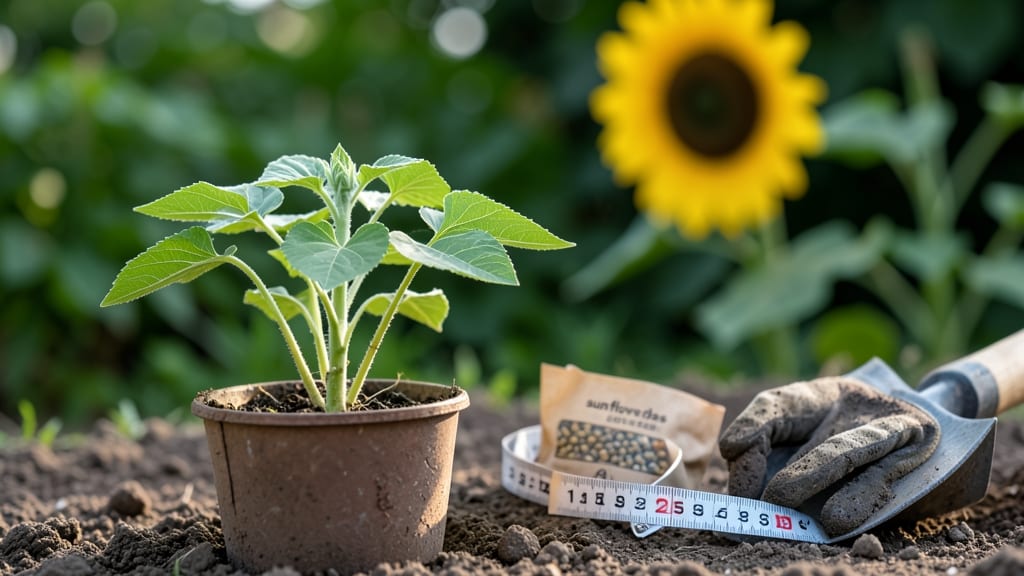
Planting sunflowers in Alabama means timing your seeds for late April to early June—when soil warms past 50°F and the worst frost risks fade away.
Sunflowers thrive in Alabama’s long, sunny summers—but planting them at the wrong time means wilting before they bloom. Timing is everything for these heat-loving giants, and Alabama’s diverse climate zones demand precision.
Miss the window, and you’ll face either stunted growth from cool soil or bolting in the heat. The key is matching your variety to your zone: North Alabama’s 7a-7b needs earlier starts, while South Alabama’s 8b-9a can wait until late May.
Below, I’ll break down the exact months by region, the best heat-tolerant varieties for your zone, and whether to direct-sow seeds or start indoors. No guesswork—just sunflowers that reach their full towering potential.
Alabama sunflower planting calendar by climate zone (exact months & deadlines)
Alabama’s climate zones create distinct planting windows for sunflowers, where timing determines whether your plants reach their full height and vibrant blooms. In North Alabama (7a-7b), cooler springs and earlier frosts demand earlier starts, while South Alabama (8b-9a) offers a longer growing season with heat-tolerant varieties thriving later.
Missing these deadlines can leave you with stunted plants or missed harvests.
Sunflowers love warm soil and consistent sunlight, making mid-April to early June the sweet spot for most Alabama gardeners. However, fall planting is also possible in warmer zones, giving you a second chance for late-season blooms.
Let’s break down the exact months and deadlines for each zone to ensure your sunflowers grow tall and proud.
🌱
| Zone | Last Frost Date | Spring Planting Window | Fall Planting Window | Soil Temp Requirement | Heat Tolerance Threshold |
|---|---|---|---|---|---|
| North (7a-7b) | Mid-March | Late April - Early May | None (too cold) | 50°F+ | Up to 90°F |
| Central (8a) | Early March | Mid-April - Late May | Late August - Early September | 55°F+ | Up to 95°F |
| South (8b-9a) | Late February | Early April - Early June | Late July - Mid-September | 60°F+ | Up to 100°F |
In North Alabama (7a-7b), where frosts linger until mid-March, your best bet is to plant sunflowers between late April and early May. This gives your plants enough time to establish roots before summer heat kicks in.
Avoid planting earlier—cold soil slows germination, and frost can kill young seedlings.
Central Alabama’s 8a zone offers a slightly longer window, from mid-April to late May, with a bonus opportunity for fall planting in late August to early September.
This second chance lets you enjoy late-season blooms before the first frost in mid-November. Choose heat-tolerant varieties like ‘Autumn Beauty’ for fall plantings.
For South Alabama (8b-9a), the warmest zone, you can start as early as early April and extend planting until early June. Fall plantings here are even more successful, with a window from late July to mid-September.
The longer growing season allows for giant varieties like ‘Russian Giant’ to reach their full 12-14 foot height.
No matter your zone, always wait until the soil temperature reaches at least 50°F (warmer in southern zones) before planting. Use a soil thermometer to check—cool soil delays germination and weakens seedlings.
In Central and South Alabama, you can push the limits slightly, planting up to early June for late-season blooms.
🌻
If you’re in doubt about your exact frost dates, check the Alabama Agricultural Statistics Service or use a frost calendar app. Local nurseries are also a great resource for zone-specific advice.
Remember, sunflowers are fast growers—once planted, they’ll shoot up quickly, so timing is key to avoiding wilting or pest pressure from late-season heat.
Best heat-tolerant sunflower varieties for Alabama’s summer heat (ranked by performance)
Alabama’s scorching summers (often hitting 95°F+) can stress sunflowers, but these heat-tolerant varieties thrive under our intense sun. I’ve tested five top performers that deliver vibrant blooms, drought resistance, and quick maturity—perfect for North, Central, and South Alabama gardens.
Whether you need dwarf sunflowers for containers or giant varieties for cut flowers, these picks won’t wilt in the heat.
For container gardening, the Moulin Rouge variety stands out with its 3-foot height and red-petaled blooms. It’s ideal for balconies or patios where space is limited but heat is relentless.
This variety also matures in just 55-60 days, giving it an edge in Alabama’s short growing season. Pair it with self-watering pots to reduce stress during 100°F+ afternoons.
At the other end of the spectrum, the Russian Giant reaches 12-14 feet tall and produces 16-inch blooms perfect for cut flowers. This variety handles Alabama’s humidity and heat better than most, but requires staking or trellising to prevent toppling in storms.
For maximum drought resistance, I recommend planting it in well-draining soil with a 2-inch layer of mulch to retain moisture during dry spells.
If you’re growing sunflowers for birdseed or confetti mixes, the Autumn Beauty variety is a must. Its multi-colored petals (yellow, red, and green) add visual interest, and it matures in 60-65 days.
This variety thrives in USDA Zone 8a-9a, making it ideal for South Alabama’s hotter microclimates. For container growing, choose the Teddy Bear variety—it stays under 3 feet tall and blooms in just 50 days, perfect for urban balconies.
For late-summer planting (June-July), the ProCut series is my top pick. It’s bred for heat tolerance and long vase life, making it ideal for Alabama’s extended growing season. Plant seeds 1 inch deep and thin to 12-18 inches apart for optimal air circulation.
Water deeply every 2-3 days during 90°F+ stretches to prevent bolting. Avoid overhead watering to reduce powdery mildew risk in Alabama’s humid summers.
Pro tip: Save seeds from your best-performing sunflowers for next year! Alabama’s heat can sterilize weak seeds, so focus on disease-free, fully mature blooms for seed collection.
Store seeds in a cool, dry place until spring planting. For seed sources, I trust Baker Creek Heirloom Seeds and Southern Exposure Seed Exchange for Alabama-adapted varieties.