
How To
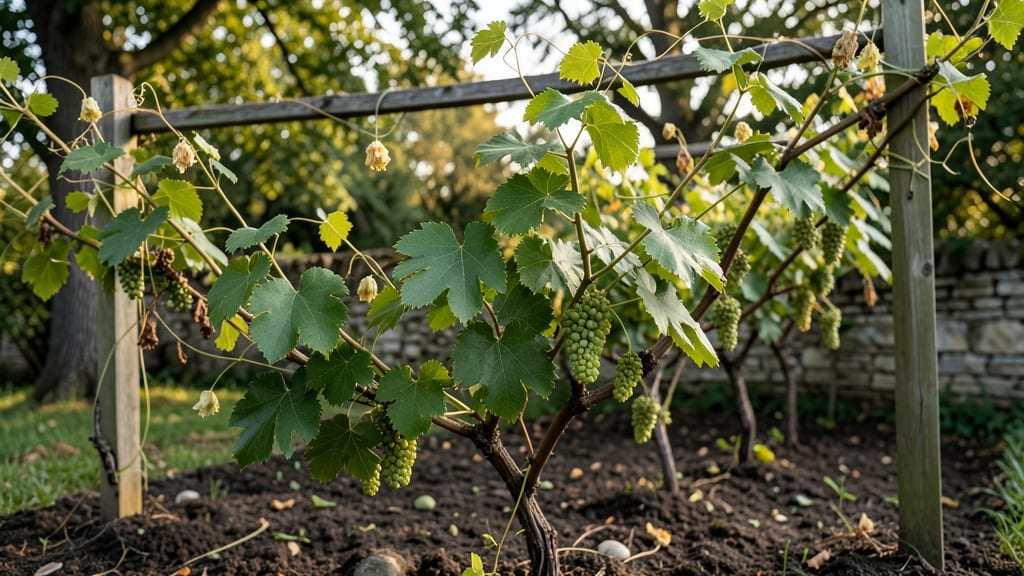
Grapes take between 60 and 180 days to grow after flowering, depending on the variety and growing conditions — and knowing this timeline is the key to avoiding a harvest full of underripe or bitter fruit.
Picture this: you’ve just spotted those tiny, delicate 🍇 flowers on your grapevine, and now you’re left wondering, When will I finally get to taste the fruit? The answer isn’t one-size-fits-all, but the right timing can make all the difference between juicy clusters and disappointment.
For table grapes like Thompson Seedless, you’re looking at 60–90 days from flowering to harvest, while wine grapes such as Cabernet Sauvignon can take up to 140 days.
Below, I’ll break down the exact stages—from berry set to veraison—and how to tell when your grapes are truly ready to pick.
You’ll also discover how climate, pruning, and even watering can speed up or slow down ripening, plus the foolproof cues to harvest at peak sweetness. No more guesswork—just perfect, flavorful grapes.


Grapes growth timeline after flowering: variety-specific weeks to harvest
After those beautiful grapevine flowers bloom, patience becomes key—but knowing your variety's exact timeline turns guesswork into precision. Most grapes take 80–160 days from flowering to harvest, but the difference between Thompson Seedless table grapes and Cabernet Sauvignon wine grapes can be dramatic.
Understanding these stages helps you plan for optimal harvest timing and avoid missing the sweet spot.
Every grape variety follows a predictable growth pattern: flowering → berry set → rapid growth → veraison → ripening. The berry set stage (2–4 weeks post-flowering) is critical—this is when tiny berries form, and stress here can cause shatter (dropped flowers).
Then comes veraison, where berries change color and soften, signaling they're 60–70% ripe.
For Thompson Seedless grapes, the fastest variety, expect berries to reach harvest 80–100 days after flowering.
These grapes are prized for their seedless quality and crisp texture, but they demand precise timing—harvest too early, and they'll be tart and underdeveloped; too late, and they'll split or lose flavor. Veraison occurs around 60 days, when berries shift from green to a pale yellow.
Concord grapes, a classic juice and table grape, take slightly longer—100–120 days—and their deep purple skin is a dead giveaway for ripeness. These grapes are hardier and more forgiving than Thompson Seedless, but they still need full sun exposure to develop their signature bold flavor. Watch for berries to plump up and detach easily from the stem.
Wine grapes like Cabernet Sauvignon are the slowest to mature, often requiring 140–160 days from flowering to harvest. This extended timeline allows them to develop complex flavors and high sugar content (22–26° Brix). Veraison happens later, around 90 days, when berries turn from green to deep blue-black.
Patience is key—these grapes need time to soften and concentrate their flavors.
If you're growing Muscat grapes, you'll love their fragrant, honey-like aroma and 90–110 day timeline. These grapes are perfect for fresh eating and desserts, and they're one of the few varieties that don't require cross-pollination.
Look for golden-yellow berries that pull away easily from the cluster—this is your cue to harvest before birds or pests get to them first.
Regardless of variety, temperature and sunlight play huge roles in speeding up or slowing down growth. Warmer climates (USDA Zones 8–10) can shave 10–20 days off the timeline, while cooler regions (Zones 4–6) may extend it
Factors that speed up or delay grape ripening after flowering
After those delicate grape flowers bloom, your vines enter a critical growth phase where timing becomes everything. The 120–180 days to harvest can stretch or shrink dramatically based on just a few environmental and care factors.
Understanding these will help you optimize ripening and avoid common pitfalls that leave you waiting months longer than necessary.
First, temperature zones play a massive role. Grapes thrive in USDA Zones 5–10, but cooler climates (like Zone 5–6) can extend ripening by 30–45 days compared to warmer Zone 8–10 regions.
For example, Concord grapes in Michigan may need 140 days to ripen, while the same variety in California reaches harvest in just 100 days.
Sunlight exposure is another non-negotiable. Grapes demand 6+ hours of direct sun daily, but partial shade (like afternoon filtering) can delay ripening by 2–3 weeks. If your vines are in a north-facing yard, consider trellis adjustments or even a reflective surface to maximize light absorption.
Watering schedules also directly impact your harvest timeline. While grapes are drought-tolerant once established, inconsistent watering—especially during berry set and veraison—can cause uneven ripening or even berry shriveling. Aim for deep, infrequent watering (every 7–10 days in summer) rather than shallow, frequent sessions.
⚠️ Common Mistakes That Stall Ripening
- Over-fertilizing with nitrogen → Promotes leafy growth but delays fruit ripening.
- Pruning too late (after June) → Removes energy reserves needed for berry development.
- Ignoring pest/disease pressure → Powdery mildew or aphids drain energy from ripening berries.
- Skipping veraison monitoring → Missing the color change that signals sugar accumulation.
These errors can push harvest back by 4–6 weeks—or worse, result in underripe, tart grapes.
Pruning techniques are often overlooked but critical. Winter pruning (done in dormant season) shapes the vine for efficient sunlight capture, while summer pruning (removing suckers and excess leaves) ensures energy goes to fruit development.
Poor pruning can leave your vines overcrowded, slowing ripening by 10–20 days.
Finally, soil health and nutrient balance matter. While grapes don’t need heavy feeding, a balanced 10-10-10 fertilizer in early spring supports root and fruit development. Avoid high-nitrogen fertilizers—they’ll make your vines leafy but fruitless. Instead, focus on potassium and phosphorus to speed up sugar production.
By mastering these 5 key factors, you’ll minimize delays and maximize the sweetness and flavor of your harvest. Keep an eye on veraison (the color change phase) and adjust care as needed—your patience and precision will pay off with perfectly ripe grapes! 🍇