
Plants
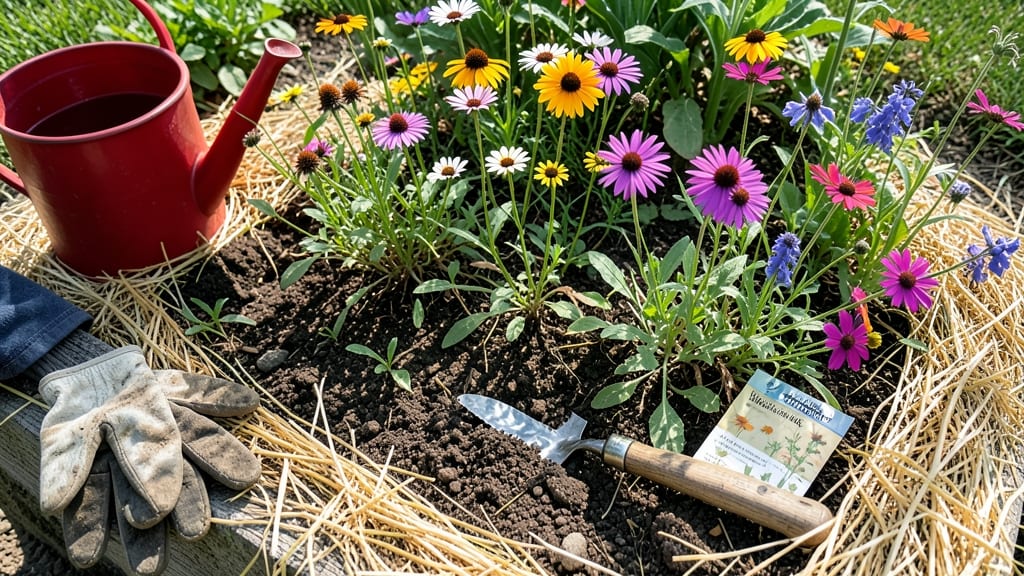
Planting wildflower seeds in Virginia at the wrong time means waiting another year for those vibrant blooms you’re dreaming of 🌼 — and the key to fastest germination is knowing your frost dates by zone.
Picture this: you’ve cleared a sunny patch in your yard, ready to scatter seeds, only to watch them freeze before they even sprout.
That’s why timing matters more than most gardeners realize — especially in Virginia’s 5b-8a zones, where a late frost can turn your spring dreams into a summer wait.
Whether you’re in the cooler mountains or the warmer Piedmont, the perfect window shifts from early March to late April for spring planting, or September to October for a fall start.
Below, I’ll break down the exact months by zone, plus soil prep tips to give your wildflowers the best shot at thriving.
You’ll also discover how to avoid common mistakes — like overwatering or planting too deep — that can turn your wildflower meadow into a brown patch instead of a colorful paradise. Let’s get those seeds in the ground the right way.
Virginia wildflower planting calendar by USDA hardiness zones (5b to 7b)
Virginia’s diverse USDA hardiness zones (5b through 7b) create distinct frost-free windows for planting wildflower seeds.
Whether you’re in the cooler Zone 5b of the Shenandoah Valley or the warmer Zone 7b near Richmond, timing matters for robust germination and vibrant blooms. Spring and fall are the prime seasons, but annuals vs. perennials play a role in your strategy.
For annual wildflowers, like Black-eyed Susans or Cosmos, the spring planting window (after last frost) is critical—typically March to early April in Zone 5b and February to March in Zone 7b. Fall planting (September to October) works best for perennials like Coneflowers or Goldenrod, giving seeds time to establish roots before winter.
Let’s break down the exact frost-free planting windows by zone, including temperature thresholds and soil prep tips to ensure your wildflowers thrive. Use this guide to avoid common mistakes and maximize your meadow’s potential.
⚠️ Key Reminder: Always check your local last frost date (typically mid-April for Zone 5b, early March for Zone 7b) before planting. Wildflowers hate soggy soil—wait for consistently dry ground after rain.
In Zone 5b, where winters are longer, focus on fall planting for perennials to give roots a head start. Spring planting should wait until soil temperatures hit 50°F at night—cold soil slows germination. Black-eyed Susans and Coneflowers thrive here with minimal care once established.
Moving to Zone 6a and 6b, you gain flexibility with earlier spring planting (late March) and a longer fall window (until early October). These zones support Milkweed and Bee Balm, which attract pollinators year-round. Scarify seeds (lightly scratch the seed coat) for better germination in clay-heavy Virginia soils.
For Zones 7a and 7b, where winters are mild, January planting is possible for heat-loving annuals like Zinnias or Sunflowers. Fall planting can extend into November, but avoid planting after first frost (typically mid-October). Drought-tolerant varieties like Lantana shine here with minimal irrigation.
Pro tip: Mulch lightly after planting to retain moisture, especially in Zone 5b where evaporation is higher. Use straw or leaves—never thick layers that smother seeds. Water deeply once a week after planting to encourage strong root systems before summer heat arrives.
If you miss the spring window, don’t panic—summer planting (June to July) works for annuals like Cosmos or Marigolds, but expect slower establishment. Always prep soil by loosening the top 2 inches and removing weeds to reduce competition.
For perennials, fall planting is ideal because seeds germinate slowly in cool soil, creating
Best wildflower seed types for Virginia’s seasons and soil conditions
Virginia’s diverse soil types and four distinct seasons create perfect conditions for wildflowers—if you choose the right varieties. Clay-heavy soils in the Piedmont region thrive with native perennials like black-eyed Susans, while sandy coastal plains benefit from drought-tolerant coreopsis.
Matching seeds to your microclimate ensures vibrant blooms from spring ephemerals to fall favorites.
Spring planting (March-April) is ideal for annual wildflowers like cosmos and zinnia, which burst into color within weeks. Fall planting (September-October) gives perennials like coneflowers and bee balm time to establish roots before winter.
Virginia’s USDA zones 5b-7b mean some areas can even try late summer sowing for extended blooms.
- Spring Planting: March-April for annuals (cosmos, marigolds) – 6-8 weeks before last frost.
- Fall Planting: September-October for perennials (coneflowers, asters) – 6-8 weeks before first frost.
- Soil Prep: Loosen clay soils with compost; sandy soils need mulch to retain moisture.
- Virginia Favorites: Black-eyed Susan (golden blooms), Virginia Bluebells (spring ephemerals), Butterfly Weed (drought-proof).
- Bloom Cycles: Spring ephemerals (bluebells) → Summer long-bloomers (coreopsis) → Fall favorites (asters).
For clay-heavy soils common in Virginia’s Piedmont region, opt for deep-rooted perennials like purple coneflower or bee balm. These varieties break through compacted soil while attracting pollinators. In sandy coastal areas, coreopsis and blackfoot daisy thrive with minimal watering once established.
Spring ephemerals like Virginia bluebells and trillium are perfect for woodland gardens and bloom before trees leaf out. For summer-long color, annual sunflowers and perennial salvia provide continuous blooms. Fall favorites like New England asters extend the season with vibrant purple blooms.
Pro tip: Mix native wildflowers with deer-resistant varieties like lobelia or yarrow to deter browsing. Always check seed packets for Virginia-specific mixes, which often include milkweed for monarch butterflies or goldenrod for late-season pollinators.
Remember, minimal disturbance is key—wildflowers often self-seed better when left undisturbed. Once established, most Virginia wildflowers require little maintenance, making them perfect for low-effort meadows or wildlife-friendly gardens. 🌼