
Blooming
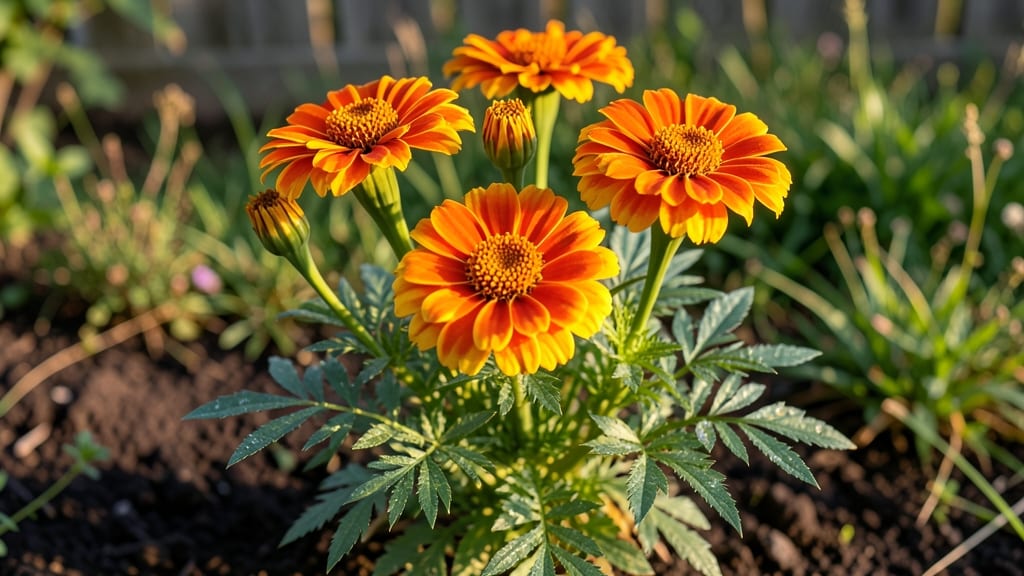
The marigold flower blooming season is your golden ticket to a garden bursting with color from summer through fall — but only if you time it right.
Picture this: you’ve just planted your 🌼 marigolds in March, eager for their fiery display, only to watch them fade before the heat of July. Or worse, they bloom too late, leaving your garden looking bare when you wanted vibrant accents all season.
The secret? Understanding how climate, variety, and a few simple tricks can stretch those blooms from June straight through October — or even longer in warmer zones.
Most marigolds thrive in USDA Zone 6a and beyond, kicking off their show in early June and holding strong until the first frost.
But the real magic happens when you tweak care based on your region — deadheading spent blooms, feeding at the right times, and choosing varieties that play to your local heat or chill.
Below, I’ll break down the exact months for your zone, the climate triggers that control flowering, and the 3 simple hacks to keep your marigolds in peak form for months.
Ready to turn your garden into a nonstop marigold parade? Let’s dive into the science — and the shortcuts — that’ll have your plants blooming longer than ever.
Marigold blooming season by US hardiness Zones: month-by-month guide
Marigolds are nature's cheerful fireworks, but their blooming season depends entirely on your USDA hardiness zone. In Zone 3, you might see late June blooms, while Zone 11 gardeners enjoy year-round color with proper care.
The key? Understanding your zone's frost dates and selecting the right marigold varieties for your climate.
Most marigolds thrive in warm weather and long daylight hours, which is why their peak blooming typically aligns with summer through fall.
However, early-blooming varieties like 'Bonanza' can push flowers as early as May in Zone 7, while late-season performers like 'Crackerjack' may still bloom until November in Zone 10.
Frost is marigolds' worst enemy—temperatures below 32°F will kill most varieties instantly. That's why Zone 3-5 gardeners must treat marigolds as annuals, planting after last frost (usually late May) and accepting their short 2-3 month bloom window.
Meanwhile, Zones 8-11 can enjoy perennial-like behavior with proper winter protection.
Here's how marigold blooming seasons break down by zone, including early, mid, and late-season varieties that extend your color palette:
| USDA Zone | Early Bloomers (First Flowers) | Peak Season | Late Bloomers (Last Flowers) | Frost Risk |
|---|---|---|---|---|
| 3-4 | Late June | July-August | Early September | High (killed by frost) |
| 5-6 | Early June | June-September | Mid-October | Moderate (late frosts) |
| 7-8 | May | June-October | November | Low (occasional frost) |
| 9-10 | March-April | April-November | December | None (winter protection) |
| 11 | Year-round | Year-round | Year-round | None (tropical) |
For Zones 3-5, focus on French marigolds like 'Souvenir de Montmartre' which bloom earlier than others. These varieties tolerate cooler temperatures better and may produce some flowers until frost. Plant seeds indoors in March for 6-week-old transplants ready for late May outdoor planting.
In Zones 6-8, African marigolds like 'Janie' shine with giant blooms that last from June through October. To extend blooming, sow successive plantings every 3-4 weeks starting in May. This staggered approach ensures continuous color as old plants fade and new ones take over.
Southern gardeners in Zones 9-11 have the advantage of longer growing seasons. Here, Mexican marigolds like 'Tangerine' thrive year-round with minimal care. In Zone 10, you can even overwinter marigolds by cutting back 6 inches and mulching heavily. They'll rebloom in spring with almost no effort.
Pro tip: Deadheading (removing spent blooms) can extend marigold seasons by 3-4 weeks in any zone. I always carry small pruners while walking my garden—just snip off faded flowers at the base.
This redirects energy to new blooms instead of seed production. Pair this with regular feeding (every 4-6 weeks) for maximum flowering.
Remember, marigolds are heat-loving plants. In Zones 3-5, their blooming slows when day
Climate triggers that control marigold flowering: sunlight, temperature, and more
Marigolds are sun-worshippers that thrive when given the right climate cues. Their blooming season hinges on three key factors: daylight hours, temperature ranges, and soil warmth.
Too little sun or cool nights can delay flowering, while ideal conditions trigger a 6-8 week bloom cycle from seed to vibrant display. Understanding these triggers helps you time plantings for continuous color.
In short-day plants like French marigolds, longer daylight hours after summer solstice signal blooming. Meanwhile, African marigolds (like 'Tangerine Gem') respond to consistent warmth, blooming 8-10 weeks after germination when soil stays above 60°F.
Even a 5°F drop at night can stunt flower production, so microclimates matter—urban heat islands may push blooms earlier than rural areas.
🌼 Marigold Blooming Triggers
Soil temperature plays a hidden role—marigold seeds need soil at 60°F+ to germinate, while established plants prefer daytime highs of 70-85°F for robust blooms.
I’ve seen French marigolds in Zone 7 start flowering in late June when soil finally warms, while African varieties in Zone 9 may bloom as early as May with consistent heat. Test soil with a thermometer to avoid delays.
Daylight hours act like a blooming switch—marigolds need 12+ hours of daylight to trigger flower buds. In northern latitudes, this means waiting until late spring/early summer, while southern gardens can enjoy earlier blooms.
For off-season flowering, supplement with grow lights (14 hours/day) to mimic long summer days, though this works best for container-grown plants.
Adjust care based on climate: In hot, dry areas, mulch heavily to retain moisture and prevent stress-induced bud drop. In cool coastal climates, choose dwarf varieties like 'Bonanza Yellow' that tolerate 55°F nights.
I’ve extended my marigold season by 3 weeks using row covers to protect from late frosts, while in Zone 10, I let them bloom year-round with minimal winter care.
Watch for heat stress signs like yellowing leaves or bud blast (buds dropping before opening)—this often means afternoon temps exceed 90°F. Provide afternoon shade with lightweight shade cloth (30%) during peak heat.
In contrast, cool-season bloomers like 'Petite Gold' may need vernalization (cold treatment) to flower reliably in warm climates.
By aligning your planting with these climate triggers, you’ll turn your garden into a nonstop marigold parade from summer through fall. Start with early varieties in Zone 5+, then succession-plant every 2 weeks for continuous blooms.
The secret? Listen to your local weather cues—marigolds will reward you with bold color when given the right conditions. 🌻