
Flowers
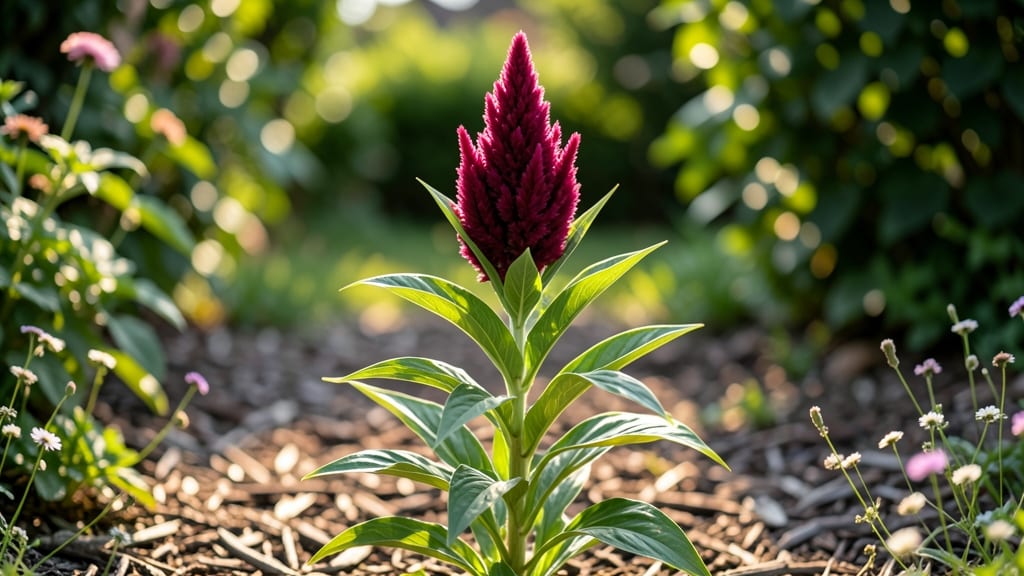
The height of celosia flowers 🌺 can transform your garden from a sea of green to a vibrant, structured masterpiece — and choosing the right variety means the difference between a compact border and a towering statement piece.
Picture this: You’ve spent weeks planning your garden layout, only to realize your 3-foot celosia is crowding out your smaller annuals or, worse, flopping over like a drunk ballerina.
The good news? Celosia height isn’t just about luck—it’s about knowing your varieties, sunlight needs, and a few simple tricks to keep them in check.
From dwarf varieties that fit snugly in window boxes to tall plumes that reach 36 inches and beyond, celosia offers options for every space. But height isn’t just about aesthetics—it affects pollinator traffic, airflow, and even how often you’ll need to prune.
Below, we’ll break down the height ranges by type, how to control growth, and which varieties play well together in your garden design.
Ready to stop guessing and start planning? You’ll leave here knowing exactly which celosia will thrive in your space, how to keep them upright, and when to let them grow wild for that dramatic, cottage-garden look.

Celosia flower height by variety: compact vs. tall growth chart
Choosing the right celosia variety depends heavily on your garden’s vertical space. Some types stay under 12 inches, perfect for containers, while others soar to 3 feet, ideal for back-of-bed drama.
The height differences aren’t just about aesthetics—they impact spacing, staking needs, and even pollinator attraction. Let’s break down the most popular varieties and their mature heights to help you plan your floral display.
Celosias generally fall into three height categories: compact (under 12 inches), medium (12–24 inches), and tall (24+ inches). The plume type (crested vs. plumose) also influences growth habits.
Crested varieties like 'Merlot' often stay shorter, while plumose types like 'Dragon’s Breath' can reach impressive heights. Understanding these distinctions ensures your garden layout maximizes both beauty and functionality.
Here’s a quick reference: compact varieties thrive in window boxes, medium types excel in mixed borders, and tall celosias shine as focal points or cut flowers. The sun exposure needs also vary slightly by height—taller varieties often need extra support in windy areas.
Let’s dive into the specifics with this growth chart to guide your planting decisions.
| Variety | Type | Mature Height | Spread | Sun Needs | Spacing |
|---|---|---|---|---|---|
| Celosia argentea 'New Look' | Plumose | 12–18" | 12–15" | Full Sun | 10–12" |
| Celosia cristata 'Merlot' | Crested | 10–14" | 8–10" | Full Sun | 8–10" |
| Celosia plumosa 'Dragon’s Breath' | Plumose | 24–36" | 12–18" | Full Sun | 12–15" |
| Celosia cristata 'Impromptu' | Crested | 6–12" | 6–8" | Full Sun | 6–8" |
| Celosia argentea 'Florists Mix' | Plumose | 18–24" | 10–12" | Full Sun | 10–12" |
The Celosia argentea 'New Look' is a versatile medium-height option, ideal for container gardens or mixed borders. Its feathery plumes add texture and color, while its 12–18-inch height makes it adaptable to various spaces. Pair it with dwarf marigolds or lobelia for a striking contrast in window boxes.
For compact gardens, 'Impromptu' is a game-changer. This 6–12
How to control celosia flower height: pruning and support tips
Want to shape your celosia flowers into a stunning vertical display or keep them neatly compact? The key lies in understanding height control techniques tailored to your garden design. Whether you're aiming for tall borders or container-friendly varieties, strategic pruning and support can make all the difference.
Let’s explore how to guide your celosias to reach—or avoid—your desired height with precision.
Celosias naturally grow between 12 inches and 3 feet, but their final height depends on variety, care, and your interventions. Tall varieties like Celosia plumosa can soar to 36 inches without support, while dwarf types stay under 12 inches.
The good news? You can adjust growth patterns with simple pruning techniques and structural support to fit your space perfectly.
Step-by-Step Guide to Controlling Celosia Height
-
Step 1: Pinch Back Young Plants
When your celosias are 4-6 inches tall, pinch off the top set of leaves using your fingers or clean pruners. This encourages bushier growth and prevents legginess, keeping plants compact and sturdy. -
Step 2: Deadhead Regularly
Remove spent blooms by snipping them back to the nearest leaf or stem junction. This redirects energy to new growth, promoting taller stems if desired or denser foliage for a fuller look. -
Step 3: Use Support for Tall Varieties
Install bamboo stakes or tomato cages early to support tall celosias (24+ inches). Tie stems gently with soft plant ties to prevent flopping, especially in windy conditions. -
Step 4: Adjust Fertilizer for Height Control
For shorter celosias, use a low-nitrogen fertilizer (e.g., 5-10-10) to limit rapid vertical growth. For taller blooms, opt for a balanced 10-10-10 fertilizer applied every 4-6 weeks. -
Step 5: Prune for Shape or Height
To reduce height, cut stems back by one-third after flowering. For longer stems, avoid heavy pruning and let them grow naturally, providing support as needed.
Don’t overlook the power of soil and nutrients in shaping your celosias’ height. Well-draining soil rich in organic matter ensures steady growth without excessive legginess. Amend heavy clay with compost to improve aeration, which helps roots support taller stems.
If your celosias are stretching too much, they may need more indirect light or a move to a sunnier spot.
For container gardening, choose dwarf varieties like 'Merlot' or 'Chocolate Cherry', which thrive in pots and rarely exceed 12 inches. If you’re growing tall types in containers, select larger pots (at least 12 inches wide) and use a support structure to prevent toppling.
Regularly check for root-bound conditions, which can stunt growth.
Pro tip: Monitor your celosias’ growth weekly. If they’re growing too fast or too slow, adjust your watering schedule or fertilizer type accordingly. With these techniques, you’ll have celosias that perfectly match your garden vision—whether that’s a dramatic vertical accent or a neat, tidy border. 🌺