
Watering
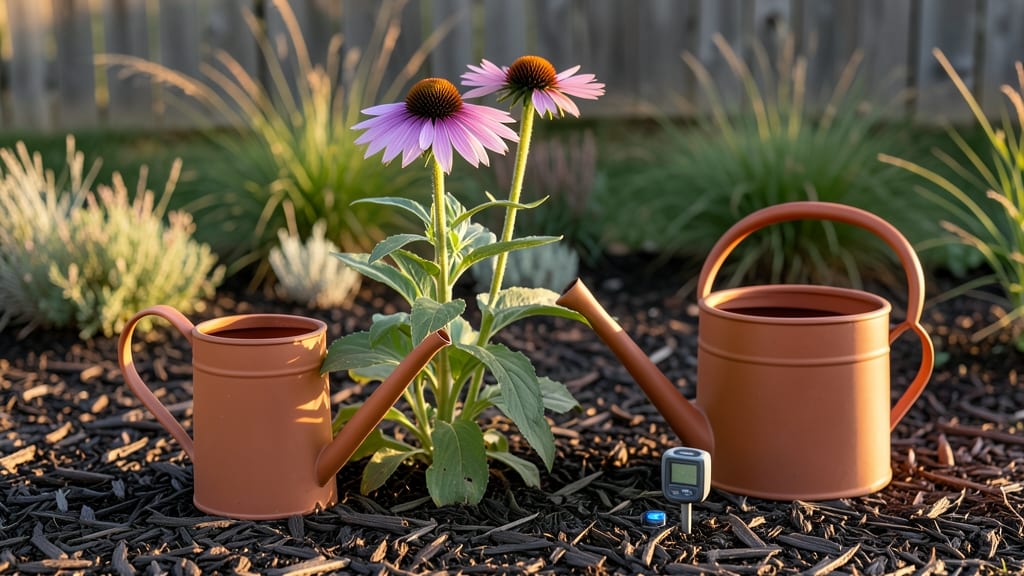
The coneflower water requirements are deceptively simple—these hardy perennials need just the right amount of moisture to fuel those showstopping purple blooms without drowning. Less than you might think once they’re established, but getting it wrong can mean lost flowers or root rot.
Struggling to keep your coneflowers thriving without overwatering? These drought-resistant perennials need the right balance of moisture to produce those iconic purple blooms—learn the exact watering schedule that saves time and ensures vibrant flowers all season.
Most gardeners overdo it, drowning their plants in water that leads to root rot or wasted effort. The key is deep but infrequent watering, especially in USDA Zone 6a, where spring planting sets the stage for summer blooms.
In this guide, I’ll break down the month-by-month watering plan, how to adjust for heatwaves, and the telltale signs of over- or underwatering so you can keep your coneflowers happy with minimal fuss.


How often to water coneflowers for optimal growth and blooms
Coneflowers (Echinacea) are famously drought-tolerant, but that doesn’t mean they thrive on neglect. Overwatering or inconsistent moisture can lead to weak stems, fewer blooms, or even root rot.
The key is providing deep, infrequent watering that encourages strong root development while avoiding soggy soil. Established plants need less frequent watering than new transplants, and seasonal changes—like summer heat or fall rains—require adjustments to keep your coneflowers vibrant.
Newly planted coneflowers need consistent moisture to establish roots, while mature plants can handle dry spells once their root systems are deep. Check soil moisture before watering: stick your finger 2-3 inches into the soil.
If it feels dry, it’s time to water. Morning watering is ideal—it reduces evaporation and prevents fungal diseases that thrive in damp foliage. Let’s break down the exact schedule for each season to keep your coneflowers blooming beautifully.
In spring, focus on deep watering every 7-10 days to help roots establish. New transplants need more frequent watering—every 5-7 days—until they’re fully settled. Mulch around the base with 2-3 inches of organic material (like straw or shredded leaves) to retain moisture and regulate soil temperature.
This is also the time to remove dead foliage from last year to encourage fresh growth.
Summer is the most critical time for watering, especially in hot, dry climates. Established coneflowers should get water every 5-7 days, but adjust based on rainfall. Check soil moisture daily during heatwaves—if the top 1-2 inches feel dry, water deeply. Avoid shallow watering, which encourages weak roots.
Instead, water slowly at the base until moisture reaches 6-8 inches deep. This mimics natural rainfall and reduces stress on the plant.
By late summer, you’ll notice coneflowers slowing their growth as they prepare for dormancy. Reduce watering frequency to every 10-14 days in fall, allowing the soil to dry out slightly between waterings. New transplants still need regular care but can taper off as temperatures drop. Stop fertilizing in late summer to avoid encouraging tender new growth before winter.
Let the foliage die back naturally—this protects the plant from cold snaps.
Winter watering is minimal for coneflowers. Established plants only need water if there’s no snow cover and the soil remains bone-dry. New transplants should be left alone—they’re dormant and don’t need moisture. Mulch heavily (4-6 inches) before the first frost to insulate roots.
If you live in a warmer climate where coneflowers stay green year-round, maintain light watering every 4-6 weeks to prevent desiccation.
Rainfall can drastically reduce your watering needs. Measure recent rainfall with a rain gauge—if you’ve had 1 inch or more in the past week, skip your scheduled watering. Coneflowers are adaptable, but consistent moisture (not sog
Signs of overwatering vs. underwatering in coneflowers
Coneflowers are famously drought-tolerant once established, but even these hardy perennials can suffer from water stress when moisture levels swing too far. The key to vibrant blooms lies in recognizing subtle signs—yellowing leaves might mean overwatering, while wilting stems could signal underwatering.
Let’s break down the visual cues so you can diagnose and fix issues before they become irreversible.
Start by examining the leaves and stems. Overwatered coneflowers often show mushy stems and leaves that feel soft to the touch, while underwatered plants develop crispy, brown edges.
The soil’s condition is equally telling—overwatered plants sit in soggy soil, while underwatered ones have bone-dry soil that pulls away from the pot or garden bed.
✅ Pros:
- Lush, green foliage (initially)
- No wilting (short-term)
- Cooler soil temps in heat
❌ Cons:
- Root rot (mushy, black roots)
- Yellowing leaves (chlorosis)
- Stunted growth from poor aeration
✅ Pros:
- Strong root development
- Drought resistance over time
- No fungal diseases
❌ Cons:
- Wilting foliage (evening droop)
- Brown, crispy leaf edges
- Reduced blooming potential
If your coneflowers show signs of overwatering, act fast by improving drainage. Amend heavy clay soil with compost or perlite and avoid watering until the top 2 inches of soil dry out.
For severe cases, dig up the plant, trim any mushy roots, and repot in fresh, well-draining mix. Mulching with gravel or straw can also help prevent future issues.
For underwatered coneflowers, deep watering is the solution. Water slowly at the base of the plant until moisture reaches 6 inches deep, then let the soil dry slightly between waterings.
This encourages deep root growth, which helps coneflowers become more resilient over time. In extreme heat, provide shade cloth to reduce water loss.
Remember, coneflowers thrive on consistency. Once established, they rarely need supplemental water beyond natural rainfall. Adjust your routine based on seasonal changes—water more frequently in summer heat but reduce in cooler months. With the right balance, your coneflowers will reward you with bold blooms from midsummer to fall.
🌼