
Flowers
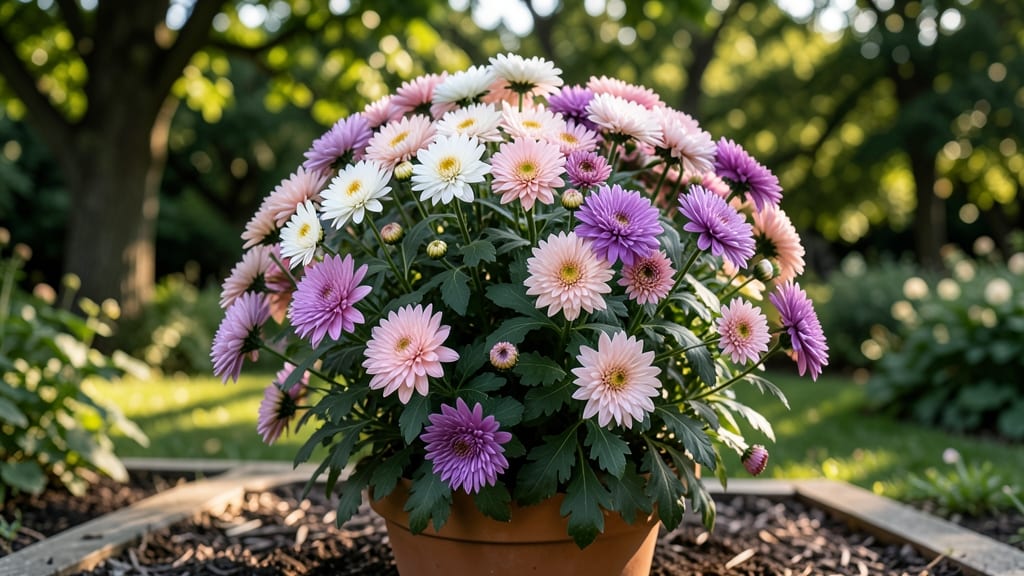
Caring for mum flowers 🌼 is easier than you think—these hardy blooms thrive with just a few key steps to keep them vibrant all season.
Mums aren’t just autumn’s star—they’re low-maintenance powerhouses that can bloom year-round with the right care, saving you time while adding vibrant color to your garden.
Whether you’re a beginner or a seasoned gardener, mastering their watering needs, sunlight preferences, and soil secrets will transform your year-round display from patchy to stunning.
Below, I’ll walk you through everything from pruning techniques to winter survival tips, so you can avoid common mistakes and enjoy blooms that last.
Mum flower care basics: watering, light, and soil secrets for long-lasting blooms
Mums (chrysanthemums) are the unsung heroes of fall gardens, but with the right care, they can thrive well beyond their seasonal reputation. The key to long-lasting blooms lies in three pillars: watering balance, sunlight optimization, and soil preparation.
Unlike many flowers, mums are surprisingly adaptable—once you master these basics, you’ll enjoy vibrant blooms for months with minimal effort.
One of my favorite aspects of mums is their drought tolerance, but that doesn’t mean they’re carefree. Overwatering is their biggest enemy, leading to root rot and bud drop. The trick is finding that sweet spot where the soil stays moist but never soggy.
Let’s break down exactly how to achieve this balance, along with sunlight and soil secrets that’ll make your mums the envy of the neighborhood.
🌼 Pro Tip: Mums in containers dry out faster than in-ground plants. If you’re growing them in pots, check soil moisture every 3-5 days during summer heat.
| Care Requirement | Specification | Seasonal Adjustments |
|---|---|---|
| Watering | Deep soak 1-2 times weekly (spring/fall); every 5-7 days in summer | Reduce to bi-weekly in winter; avoid wet foliage |
| Sunlight | 6+ hours full sun (morning sun ideal); tolerates partial shade in hot climates | Provide afternoon shade in zones with intense summer sun |
| Soil pH | 6.0-7.0 (slightly acidic to neutral); amend with compost for fertility | Test soil in early spring; adjust with lime (raise pH) or sulfur (lower pH) |
| Fertilizer | 10-10-10 balanced every 4-6 weeks during growing season | Stop fertilizing by mid-summer to encourage fall blooms |
| Mulching | 2-3 inches of organic mulch (straw or shredded leaves) | Apply after last frost and replenish in early fall |
Let’s start with watering, where most gardeners go wrong. Mums need consistent moisture but hate soggy roots. I’ve found that morning watering is crucial—it gives foliage time to dry before evening, reducing fungal risks like powdery mildew.
During summer, I increase frequency to every 5-7 days, but I always check soil moisture by sticking my finger 2 inches deep. If it’s dry, water; if it’s damp, wait.
For sunlight, most mums thrive in full sun (6+ hours daily), but varieties like 'Bonanza' or 'Dazzler' can handle partial shade in hotter climates. I’ve grown mums in my south-facing garden bed with no issues, but in Zone 9+, afternoon shade helps prevent leaf scorch.
Watch for wilting or pale leaves—these are signs your mums need more sun.
Soil is where the magic happens. Mums prefer well-draining, slightly acidic soil (pH 6.0-7.0). Before planting, I mix in compost or aged manure to boost fertility. If your soil is heavy clay, amend it with sand or perlite to prevent waterlogging.
A quick soil test in early spring lets you adjust pH with lime (to raise) or sulfur (to lower) before the growing season kicks in.
Seasonal adjustments are key to year-round success. In spring, focus on light feeding and deadheading spent blooms to encourage new growth. By mid-summer, reduce fertilizer to let the plant prepare for fall blooming.
When frost threatens, cut back dead foliage but leave 2-3 inches of stems to protect the crown. Mulch heavily to insulate roots during winter dormancy.
One mistake I see often is over-pruning in fall. While it’s tempting to tidy up, cutting back too early can stimulate new growth that won’t survive frost.
Instead, wait until late fall or early spring to prune. This simple adjustment has kept my mums blooming for weeks longer each season.
For container-grown mums, the rules shift slightly. Pots dry out faster, so I water every 3-5 days in summer and use self-watering containers when possible. I also fertilize twice as often (every 3 weeks)
How to overwinter mums: simple steps to revive them for next year’s stunning display
As autumn’s vibrant stars fade, your chrysanthemums don’t have to follow suit. With the right overwintering care, these hardy perennials will bounce back stronger than ever. The key? Timing and protection—because frost can turn last year’s showstopper into a sad, brown mess if you’re not prepared.
I’ve overwintered mums in USDA Zone 6a for years, and the difference between a revived plant and a lost one comes down to three critical steps: pruning before dormancy, insulating roots, and monitoring for winter damage.
Let’s break it down so your mums return in spring ready to steal the show again.
-
1
Prune after first frost
Cut back dead foliage to 2-3 inches above ground. This prevents rot and redirects energy to root storage for spring. -
2
Mulch heavily
Apply 4-6 inches of straw or shredded leaves over roots. This insulates against freezing temps and thaw cycles that can heave tubers. -
3
Protect containers
Move potted mums to a garage or insulated area (above 32°F). If outdoors, wrap pots in bubble wrap and bury in straw to mimic ground insulation. -
4
Check for damage
In late winter, peek under mulch. If tubers feel soft or mushy, they’ve rotted—remove and compost. Firm tubers with dormant buds are ready for spring planting.
For container-grown mums, overwintering indoors is your best bet—just avoid heating vents that can dry out tubers. If you’re in a warmer climate (Zone 8+), a light winter blanket of mulch may suffice, but always monitor for freeze warnings.
One common mistake? Waiting until spring to prune. By then, new growth is already pushing, and you risk damaging emerging buds. Always prune after the first hard frost—this signals the plant it’s time to rest and store energy.
With these steps, your mums will return in spring lush and ready to bloom, proving that a little winter prep goes a long way. Next year’s autumn display starts with this season’s care—so don’t skip the mulch! 🌼