
Flowers
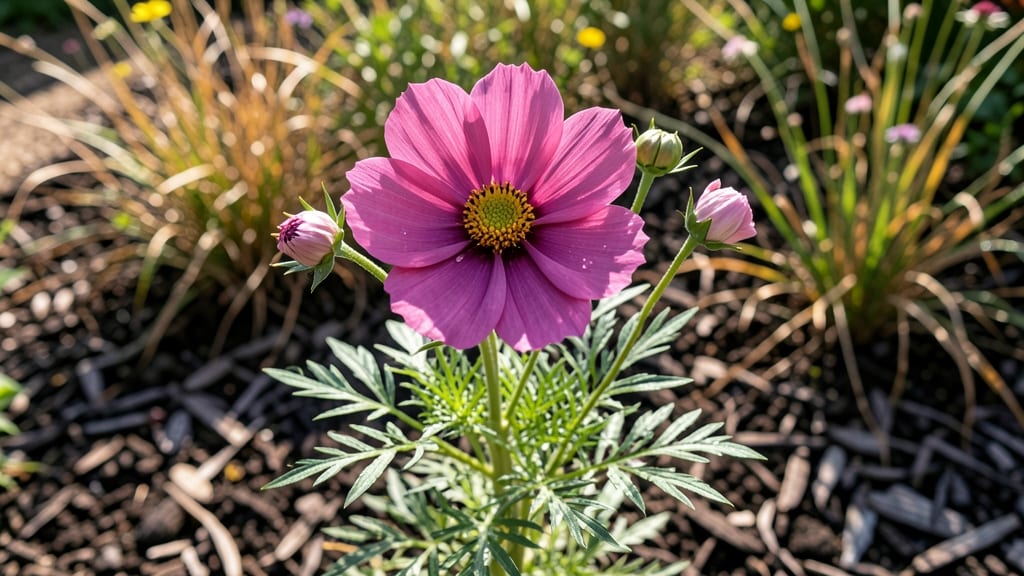
Cosmos flowers bloom from late summer through fall 🌼, but the exact timing depends on your USDA zone and planting schedule.
If you’ve ever planted cosmos flowers hoping for vibrant blooms only to be left waiting, knowing the exact bloom time by your USDA zone could transform your garden’s timing—and color—this season.
In Zone 6a, where spring planting kicks off in April, you’ll typically see the first blooms in July, with peak color lasting through October. Warmer zones like 8-11 may start as early as June, while cooler regions in Zones 3-5 might delay until August.
Below, I break down the bloom windows by zone, explain how sunlight and soil prep can shift timing, and share my top 3 tricks to keep those cheerful blooms coming until frost.
Cosmos flowers bloom time by USDA zone: exact months for peak blooms
Cosmos flowers are the effortless stars of summer and fall gardens, offering cheerful blooms with minimal care. But their bloom timing varies dramatically depending on your USDA zone and local climate.
In cooler northern zones, you’ll see early blooms in late July, while southern gardeners can enjoy cosmos from June through October. Understanding these patterns helps you plan for continuous color and avoids disappointment when your cosmos take longer to bloom than expected.
What truly sets cosmos apart is their heat tolerance—they thrive in summer’s peak temperatures, making them ideal for USDA Zones 3-11. However, regional variations play a huge role.
For example, Southern climates (Zones 8-11) often see earlier blooms due to warmer winters, while Northern zones (3-6) may experience delayed starts until after the last frost. Let’s break down the exact months for peak blooms in each zone, so you can time your plantings for maximum impact.
🌼 Key Insight: Cosmos are fast-growing annuals that typically bloom 60-75 days after sowing. However, their peak bloom window shifts based on your zone and planting date. Early sowings in warm zones may produce June blooms, while late plantings in cold zones could delay flowers until late August.
| USDA Zone | Early Bloom | Peak Bloom | Late Bloom | Heat Notes |
|---|---|---|---|---|
| Zones 3-4 | Late July | August-September | Early October | Short season; plant after last frost |
| Zones 5-6 | Early July | July-August | Late September | Longer season; tolerate light frost |
| Zones 7-8 | June | June-September | October | Thrive in summer heat; minimal care |
| Zones 9-10 | May | May-October | November | Year-round potential with succession planting |
| Zone 11 | April | April-November | December | Bloom continuously; drought-resistant |
In USDA Zones 3-4, where winters are harsh, cosmos typically bloom late in the season—starting in late July and peaking in August-September.
These zones have the shortest bloom windows, so I recommend direct sowing seeds as soon as soil temperatures reach 60°F (15°C) to maximize your blooming time. The cool nights of these regions can delay early growth, but once established, cosmos handle light frosts surprisingly well.
Gardeners in Zones 5-6 enjoy a more extended bloom season, with flowers appearing as early as early July and lasting through late September. This makes cosmos perfect for cut flower gardens or fall arrangements.
In these zones, I’ve found that succession planting every 3-4 weeks ensures a steady supply of blooms. The moderate summers in these regions also reduce the risk of heat stress, which can cause flowers to bolt prematurely.
For those in Zones 7-8, cosmos are a year-round performer with blooms starting as early as June and continuing through October. The hot summers in these zones actually benefit cosmos, as they thrive in heat and drought conditions.
I’ve seen cosmos in Zone 8 gardens continue blooming well into fall, even after other annuals have faded. This makes them ideal for low-maintenance landscapes where you want long-lasting color.
Southern gardeners in Zones 9-11 have the advantage of earliest and longest blooms, with some varieties starting as early as April and lasting through November. In these warm climates, cosmos can even rebloom after light pruning, making them a perennial-like annual.
I’ve noticed that tall cosmos varieties in Zone 10 often produce more flowers when given regular deadheading, as the plant focuses energy on new blooms rather than seed production.
One common misconception is that cosmos need cool weather to bloom. In reality, they prefer warmth and often struggle in spring if planted too early. In Zones 3-6, I recommend waiting until after the last frost (typically May) to sow seeds.
For Zones 7-11, you can start as early as March in protected microclimates, but be prepared for slower initial growth if nights are still cool.
How to extend cosmos bloom time: pro tips for longer flowering seasons
Cosmos flowers are famous for their effortless beauty, but did you know you can extend their bloom time by up to 4-6 weeks? With the right techniques, your cosmos can keep flowering from early summer straight through fall.
The key lies in understanding their natural growth habits and making small adjustments to care routines.
One of the biggest misconceptions is that cosmos are low-maintenance and will bloom indefinitely. While they are drought-tolerant and fast-growing, strategic care can transform their flowering season. Whether you're in USDA Zone 5 or Zone 10, these proven methods will help you keep your cosmos vibrant longer.
- Deadhead regularly – Remove spent blooms every 3-5 days to encourage new flower production.
- Use light fertilizer – Apply a 5-10-10 balanced fertilizer every 4-6 weeks during peak growth (May-August).
- Water deeply but infrequently – 1 inch per week is ideal; avoid shallow watering that encourages weak stems.
- Plant with companion flowers – Pair with marigolds or zinnias to attract pollinators and extend individual bloom cycles.
- Adjust planting dates – For Zone 5-7, succession plant every 2-3 weeks from June to August for staggered blooms.
Let's start with the most impactful technique: deadheading. Cosmos produce flowers along their stems, and removing spent blooms redirects the plant's energy toward new growth.
I recommend using clean, sharp pruning shears and snipping just above a set of leaves. This simple act can double your bloom time in ideal conditions.
For soil amendments, focus on organic matter rather than heavy fertilizers. Work in compost or well-rotted manure at planting time to improve drainage and nutrient availability. Cosmos prefer sandy loam soil with a pH between 6.0 and 7.0.
In heavy clay soils, mix in perlite or coarse sand to prevent waterlogging, which can stunt flowering.
Watering schedules often get overlooked, but consistency is key. While cosmos are drought-tolerant, they respond best to deep, infrequent watering. Aim for 1 inch of water per week during establishment, then reduce to every 10-14 days once established.
Early morning watering prevents fungal diseases and ensures blooms stay vibrant longer.
Don't underestimate the power of companion planting. Cosmos pair beautifully with marigolds, which deter pests like aphids, and basil, which improves their flavor if you're harvesting for bouquets. In warmer zones (8-11), consider planting cosmos alongside sunflowers for vertical interest and extended seasonal color.
For gardeners in cooler climates (Zones 3-5), extend the season by planting cosmos in containers and bringing them indoors before the first frost. Place them near a south-facing window where they'll receive 6-8 hours of sunlight daily.
With proper care, you can enjoy their cheerful blooms well into late October or early November.