
Flowers
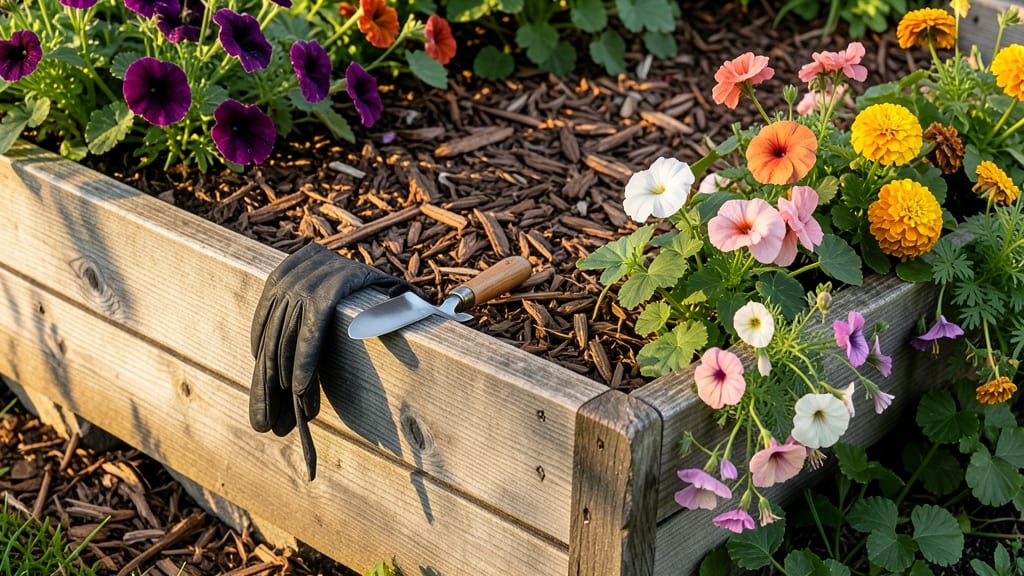
Costco’s raised flower beds bring easy, budget-friendly gardening to your yard with stunning results 🌸—no green thumb required.
Picture this: a weekend spent assembling a few simple kits, then watching vibrant blooms transform your space all season long. That’s the magic of Costco’s affordable designs, which skip the complexity and deliver year-round color with minimal effort.
From tiered cedar beds to compact container setups, these pre-built structures solve common gardening headaches—poor drainage, soil quality, and even pest control—so you can focus on enjoying your garden instead of fixing it.
Below, I’ll walk you through five foolproof designs, the best materials for durability, and seasonal planting tricks to keep your Costco flower beds thriving from spring through fall.
5 Costco raised flower bed designs for every skill level
Looking to elevate your garden without breaking the bank? Costco’s raised flower beds make it easy to create stunning, low-maintenance designs tailored to any space. Whether you’re a beginner or a seasoned gardener, these 5 budget-friendly layouts will bring year-round color to your yard—using materials you can find at Costco.
The key is maximizing vertical space, choosing durable lumber, and selecting plants that thrive together.
I’ve designed these layouts to work with Costco’s cedar and redwood lumber kits (often sold in bulk for raised beds) and affordable soil mixes. Each design balances aesthetics with practicality, ensuring your raised flower beds are both beautiful and functional.
From compact container gardens for patios to full-yard tiered designs, there’s a plan for every skill level and space. Let’s dive into the details!
📌 STYLED LIST: 5 COSTCO RAISED FLOWER BED DESIGNS
Perfect for first-timers: 4’x8’ cedar bed with easy-care perennials and annuals. Uses Costco’s pre-cut lumber kit ($50) and garden soil mix ($20).
3-tiered spiral design using Costco’s stackable planters ($40). Top tier: drought-tolerant succulents; middle: petunias; bottom: fuchsias. Adds height without width.
Upcycle Costco’s wooden pallets ($15) into a vertical planter. Hang against a fence with hanging baskets for geraniums and trailing lobelia. Ideal for small spaces!
Circular spiral design with herbs in center (basil, thyme) surrounded by marigolds and nasturtiums. Uses Costco’s round planter kit ($60) and potting mix.
How to choose the right Costco materials for durability and aesthetics
When building Costco raised flower beds, the materials you choose make all the difference in durability and aesthetic appeal. My garden transformed after switching from flimsy plastic to cedar and redwood—both available at Costco—because they resist rot and add natural charm.
Let’s break down the best options to ensure your beds last seasons and look as good as they perform.
Start with the wood type. Cedar is my top pick for naturally rot-resistant beds, while redwood offers a richer look but needs extra sealing. Both are budget-friendly at Costco and pair well with pre-mixed soil blends for optimal drainage.
Avoid pressure-treated wood unless labeled pet-safe, as chemicals can leach into your soil.
| Material | Durability | Aesthetic | Cost (Per Bed) | Best For |
|---|---|---|---|---|
| Cedar | 10/10 (naturally rot-resistant) | Rustic, warm tones | $80–$120 | Long-term beds, pollinator gardens |
| Redwood | 8/10 (needs sealant) | Rich, deep color | $100–$150 | High-visibility beds, formal gardens |
| Composite Wood | 9/10 (low maintenance) | Modern, sleek look | $120–$180 | Urban gardens, minimalist designs |
| Galvanized Metal | 7/10 (rust risk) | Industrial, contemporary | $90–$140 | Modern landscapes, edible gardens |
For drainage, add a 1-inch layer of gravel or landscape fabric at the bottom of your bed. Costco sells pre-cut drainage mats that fit standard bed sizes—perfect for preventing waterlogged roots.
Pair this with a 50/50 mix of topsoil and compost (also available at Costco) to create a nutrient-rich growing environment.
Don’t overlook the soil mix. A cost-effective blend includes Costco’s garden soil (for structure) and worm castings (for fertility). I save money by bulk-buying Costco’s 40-pound bags and mixing them myself.
For aesthetic touches, add mulch or decorative stones around the bed’s edges to tie in your garden’s theme.
Finally, seal your wood every 2–3 years to extend its life. Use a water-based sealant (like those sold at Costco) for a natural finish. My cedar beds now show minimal wear after three seasons thanks to this simple step.
With the right materials, your Costco raised flower beds will be both functional and beautiful for years.