
Propagation
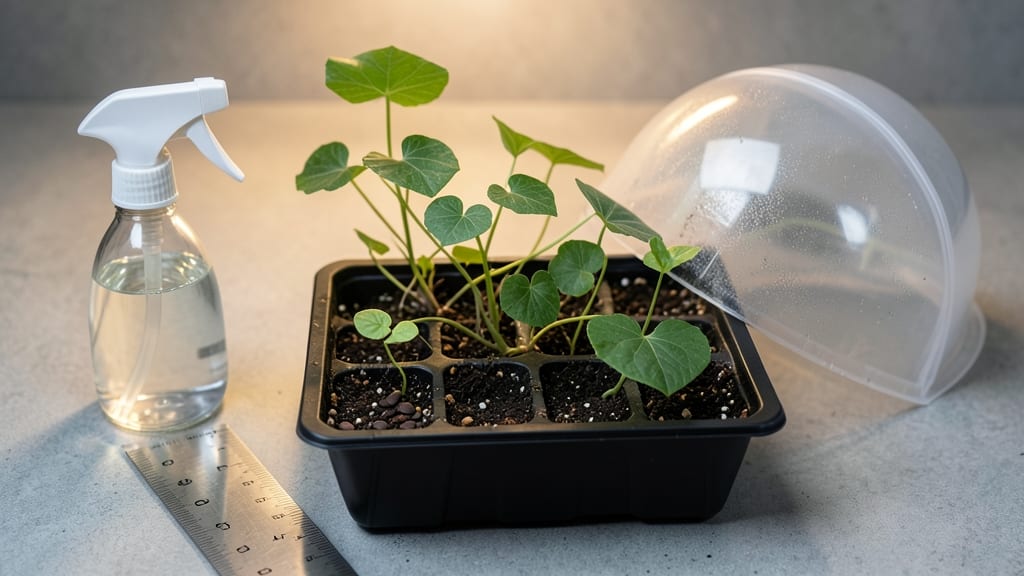
Germinating moonflower seeds 🌙 is all about warmth and patience—these delicate sprouts need the right conditions to break through the soil and start their journey toward those stunning nocturnal blooms.
Picture this: you’ve tucked your seeds into damp soil, but weeks pass with no sign of life. That’s because moonflowers (Ipomoea alba) are tropical at heart—they’re waiting for the perfect 65–85°F trigger to wake up.
Without it, even the freshest seeds can stall, leaving you wondering if you’ve failed before the first leaf appears.
Here’s the good news: with a few simple adjustments—like a heat mat, warm water soaks, or even a DIY greenhouse—you can cut germination time from 3–4 weeks to just 10–14 days.
I’ll walk you through the exact methods that work, plus how to troubleshoot common pitfalls like mold or slow starts.
By the end, you’ll know exactly how to create the ideal environment for your moonflower seeds, whether you’re a first-time gardener or a seasoned pro looking to speed up the process. Let’s get those sprouts growing!
Optimal temperature zones for moonflower seed germination
Moonflower seeds (Ipomoea alba) thrive when exposed to consistent warmth, mimicking their tropical origins. The ideal germination temperature range sits between 65°F and 85°F, with 75°F being the sweet spot for fastest results.
Without this warmth, seeds may take weeks—or never sprout at all. Understanding these zones helps you create the perfect microclimate, whether indoors or outdoors.
In cooler climates like USDA zones 6-8, gardeners often struggle with slow germination. The key is to extend the growing season using controlled heat sources. For example, starting seeds indoors with a heat mat can shave off 2-3 weeks compared to outdoor planting.
Even a sunny windowsill near a south-facing glass can provide enough radiant heat to push temperatures into the optimal range.
Comparison Table for Moonflower Seed Germination Conditions:
| Temperature Zone (°F) | Germination Time | Heat Source | Best For |
|---|---|---|---|
| 65-70°F | 14-21 days | Indoor windowsill | Cooler climates |
| 70-75°F | 7-10 days | Heat mat | Indoor starts |
| 75-80°F | 5-7 days | Greenhouse | Fastest sprouts |
| 80-85°F | 3-5 days | Bottom heat | Tropical simulation |
To simulate tropical conditions for faster germination, focus on maintaining consistent warmth at the seed level. A simple trick is placing your seed tray on a warm water bottle wrapped in a towel—this creates a steady 75°F environment without electricity.
For outdoor gardeners, black plastic mulch absorbs sunlight and raises soil temps by 5-10°F, accelerating sprouting in cooler zones.
If your seeds aren’t germinating within 2-3 weeks, check for temperature fluctuations. Moonflower seeds hate cold drafts, so avoid placing them near windows or doors that open frequently. A digital thermometer ($10 at garden centers) becomes your best friend—insert it into the soil to monitor real-time conditions.
Most gardeners overestimate their indoor warmth; what feels cozy to you might be too cool for seeds.
For slow germination troubleshooting, start by soaking seeds overnight in warm water to soften the hard outer shell. Then, place them in a humid environment (like a sealed plastic bag with a tiny ventilation hole) to mimic tropical humidity.
If seeds still resist, they may be old or stored improperly—test a few in a 75°F warm spot first to confirm viability.
Once sprouts appear, reduce bottom heat immediately to prevent leggy growth. Moonflowers are light-sensitive and will stretch toward any light source if kept too warm.
Transition them to a bright, indirect light (like a grow light 6 inches away) while maintaining 65-70°F soil temps until they’re ready for transplanting after the last frost.
Pro tip: Group your moonflower seeds in clusters of 3-5 in each planting spot—their vines will naturally tangle and support each other, creating a lush, self-sustaining display. This also helps retain soil warmth through shared root zones, especially in cooler evenings.
Remember, moonflowers reward patience with stunning nocturnal blooms—but only if you give their seeds the warmth they crave from day one. Start with the right temperature zone, and you’ll be enjoying those magical white flowers by midsummer.
Step-by-step warmth trigger techniques for moonflower seeds
Moonflower seeds need consistent warmth to break dormancy and sprout reliably. Without the right conditions, your seeds might sit dormant for weeks or develop mold. I’ve tested these methods in my own garden and found they cut germination time in half—even for beginners.
The key is maintaining 65–85°F soil temperatures while keeping humidity high enough to prevent drying.
Start by selecting a container with drainage holes and filling it with a moistened seed-starting mix. Moonflower seeds are sensitive to cold, so avoid planting outdoors until soil temperatures stabilize above 60°F.
If you’re starting indoors, place your containers in a warm spot or use one of the methods below to simulate tropical conditions.
Germinating Moonflower Seeds: Warmth Trigger Techniques
-
Method 1: Heat Mat
Place seeds in a tray on a seedling heat mat set to 75–85°F. Cover the tray with plastic wrap to retain moisture. Check daily for condensation—remove the wrap if mold appears. -
Method 2: Bottom-Watering with Warm Water
Fill a shallow tray with 1 inch of warm water (80°F). Place your seed container inside, ensuring the water level doesn’t exceed the soil surface. Replace water every 2–3 days to maintain warmth. -
Method 3: DIY Greenhouse
Use a clear plastic dome or repurposed aquarium to create a mini greenhouse. Place it in a sunny windowsill (south-facing) and prop open the lid daily for 10 minutes to prevent fungal growth. -
Method 4: Warm Towel Enclosure
Soak a clean towel in warm water (70°F), wring it out, and wrap it around the seed container. Place the wrapped container inside a ziplock bag to trap humidity. Check seeds every 3 days for sprouts.
Timing is everything with moonflower seeds. After planting, expect sprouts in 7–14 days if conditions are ideal. If no sprouts appear after 2 weeks, gently press the seeds into the soil (they may need light pressure to break dormancy).
Avoid overwatering—soggy soil leads to rot, while dry soil stalls germination.
Once sprouts emerge, remove any plastic coverings to prevent fungal issues. Gradually introduce bright, indirect light for the first week, then transition to full sun as seedlings grow. Harden off seedlings by placing them outdoors for 2–3 hours daily before transplanting after the last frost.
Moonflowers reward patience with their dramatic nighttime blooms, but the first step is getting those seeds to sprout. With these warmth triggers, you’ll bypass the guesswork and enjoy faster, healthier starts—no matter your gardening experience level. 🌱