
Blooming
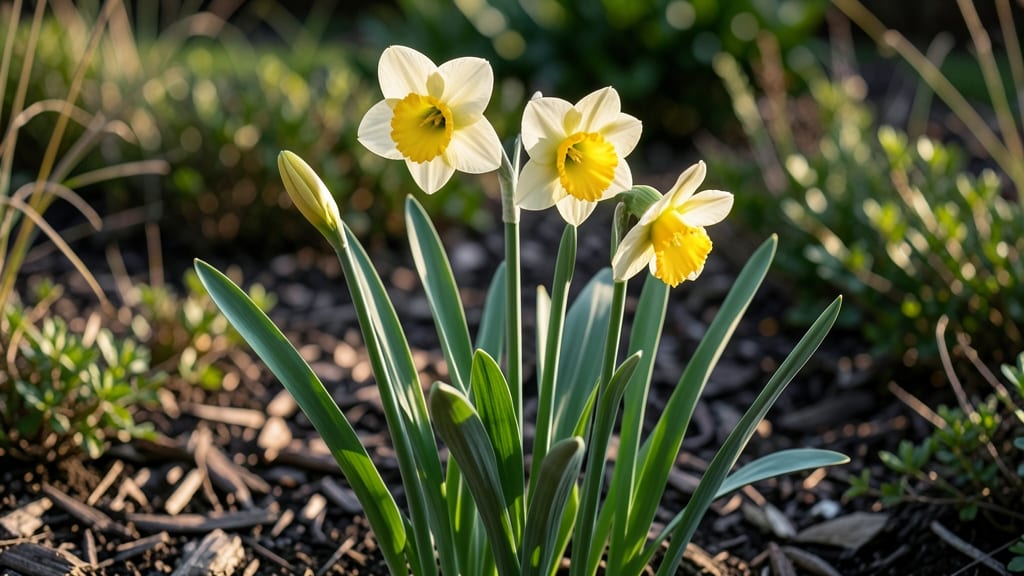
Daffodils flower in spring at exact times that depend on your zone and variety — and missing that window means fewer blooms next year.
Picture this: you’ve planted your 🌼 daffodils in Zone 6a, but by April, they’re still just green shoots. Or worse, they bloom in January when no one’s looking. The key? Understanding how your climate and planting choices shift that timeline.
In this guide, I’ll break down the month-by-month blooming schedule for Zones 3–10, plus the simple tweaks to nudge your daffodils earlier or later. Whether you’re chasing that first burst of color or extending the show, timing is everything.
You’ll also learn how sunlight, soil, and even last fall’s planting date can make or break your blooms — and how to fix common mistakes before they happen.
Daffodil flowering time by USDA planting Zone: month-by-month blooms
Daffodils are the first heralds of spring, but their bloom times vary dramatically based on your USDA planting zone.
In colder regions like Zone 3, they may appear as early as late March, while in warmer Zone 10, you might see them bloom in January or February.
Understanding these differences helps you choose the right varieties for your climate and plan your garden for maximum impact.
Most gardeners focus on early, mid, and late-season varieties to extend their daffodil display. Early bloomers like 'Tête-à-Tête' might appear in February in mild zones, while late varieties like 'Ice Follies' could bloom as late as May in cooler areas.
Microclimates—like sunny slopes or sheltered valleys—can also shift bloom times by 2-4 weeks.
Here’s a quick reference for average bloom windows across USDA Zones 3-10, including exceptions for early and late varieties:
| USDA Zone | Early Varieties | Mid-Season | Late Varieties | Notes |
|---|---|---|---|---|
| Zone 3-4 | Late March - Early April | Mid-April - Early May | Late April - Mid-May | Cold-hardy varieties like 'Carlton' thrive here. |
| Zone 5-6 | Early April | Mid-April - Late April | Early May - Mid-May | 'Dutch Master' is a reliable mid-season pick. |
| Zone 7-8 | February - Early March | March - Early April | Late April - Early May | Warmer winters may see January blooms for early types. |
| Zone 9-10 | January - February | February - March | March - Early April | 'Paperwhite' daffodils bloom indoors in winter. |
In Zone 3-4, where winters are harsh, daffodils often bloom 3-4 weeks later than in milder zones. The chilling requirement for bulbs means they need 6-8 weeks of cold temperatures before flowering.
If your area experiences unusually warm winters, bulbs may not get enough chill, delaying blooms until late spring.
For Zone 5-6, daffodils typically bloom from early April to mid-May, depending on variety. Early bloomers like 'January Gold' might push through snow in March if planted in full sun.
In contrast, late varieties like 'Salome' often wait until May to show off their pink and white blooms.
Gardeners in Zone 7-8 enjoy the longest bloom season, often from February to May. The milder winters allow early varieties to bloom as soon as January, while late types extend the show into early summer. Planting layered varieties ensures a continuous display of color.
In Zone 9-10, daffodils are winter bloomers, often appearing in January or February. Varieties like 'Paperwhite' are popular for indoor forcing and can bloom year-round with the right conditions. Outdoor plantings may also rebloom in fall if given consistent moisture.
Microclimates can shift bloom times by up to 4 weeks. A south-facing slope in Zone 5 might see daffodils bloom 2 weeks earlier than a north-facing garden. Similarly, urban heat islands can cause bulbs to sprout earlier in spring, especially in Zone 7 and above.
To extend your daffodil season, plant a mix of early, mid, and late varieties. For example, pair 'Tête-à-Tête' (early) with 'Ice Follies' (late) to enjoy blooms from March to May. Adding fertilizer in early spring also encourages stronger stems and longer-lasting flowers.
If your daffodils aren’t blooming on schedule, check your planting depth—bulbs planted too shallow may produce fewer flowers
How to adjust daffodil planting time for perfect spring blooms
Timing is everything when it comes to daffodil blooms, and adjusting your planting schedule can transform your garden from a late-spring splash to an early-season showstopper.
By understanding how soil temperature and variety selection influence flowering, you can fine-tune your planting to create a sequential bloom parade from February through May. The key? Planting at the right depth, in the right month, and with the right companions.
Most gardeners plant daffodils in fall (September-November), but did you know you can shift blooms by 2-4 weeks simply by adjusting timing? Early bloomers like 'February Gold' need cooler soil, while late varieties like 'Ice Follies' thrive with slightly warmer conditions.
Even a 2-week delay in planting can push blooms into early spring, giving you weeks of color before tulips even peek through the soil.
- 1 Plant early varieties (Oct-Nov) for February-March blooms—ideal for cold zones (3-6).
- 2 Delay planting (Nov-Dec) for April-May blooms in warmer zones (7-10).
- 3 Use layered planting: Plant 3 sets of bulbs (early, mid, late) 4-6 weeks apart for continuous blooms.
- 4 Monitor soil temp: Aim for 40-50°F soil—use a soil thermometer to time planting precisely.
- 5 Plant deeper in warm climates (8" deep) to delay sprouting until cooler spring temps arrive.
Soil temperature is the secret weapon for controlling daffodil blooms. Daffodils need 60-70 days of chilling (below 40°F) to trigger flowering. In Zone 5-6, plant in October for March blooms—soil temps will naturally drop.
But in Zone 8-10, wait until November-December to avoid premature sprouting from mild winters. A soil thermometer ($10 at garden centers) takes the guesswork out of timing.
For a nonstop spring display, try the layered planting trick: Plant early varieties (like 'Tête-à-Tête') in October, then add mid-season types (like 'Thalia') in November, and finish with late bloomers (like 'Peach Soufflé') in December.
Space them 6-8 inches apart—this creates a staggered bloom effect that lasts 6-8 weeks instead of just 2-3. Pro tip: Use dwarf varieties in front and taller types in back for a natural tiered look.
Don’t forget that light exposure plays a role too. Daffodils planted in partial shade (4-6 hours of sun) will bloom 1-2 weeks later than those in full sun. If you want earlier blooms, give your bulbs the sunniest spot in your garden.
And avoid overcrowding—bulbs need 3-4 inches of space to develop properly, or they’ll compete for nutrients and bloom smaller or later.
Finally, create a personalized planting checklist based on your zone.
For example: ☑️ Zone 3-4: Plant October 1-15 for late April-early May blooms. ☑️ Zone 5-6: Plant October 15-November 1 for March-April blooms. ☑️ Zone 7-8: Plant November 1-15 for February-March blooms. ☑️ Zone 9-10: Plant December 1-15 for January-February blooms.
Adjust dates by 1-2 weeks based on your local frost dates—check your USDA zone map for precision.
With these adjustments, you’ll turn your daffodils into the star of early spring, beating tulips to the punch and keeping your garden vibrant until summer takes over. Happy planting—your future blooms will thank you! 🌼