
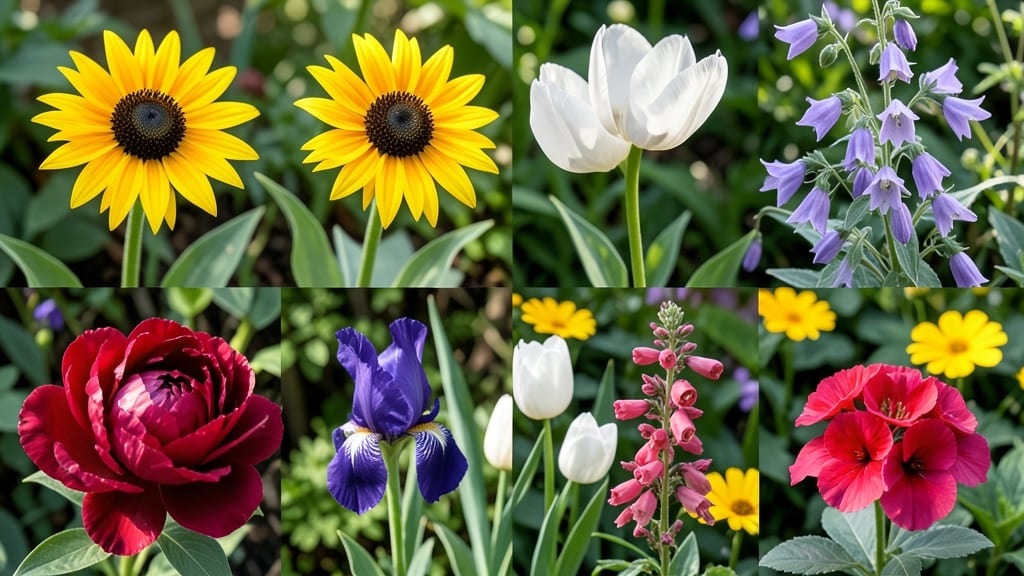
Differen Types of Flowers: Seasonal Blooms for Every Garden Style

Flowers

Differen Types of Flowers: Seasonal Blooms for Every Garden Style

Exploring the differen types of flowers can turn your garden into a vibrant canvas, where every season brings its own palette of colors and textures.

Imagine stepping into a garden where spring bursts with delicate tulips, summer hums with sunflowers, and fall glows with fiery chrysanthemums. The right mix of blooms doesn’t just fill your space—it transforms it into a living work of art that evolves with the year.

From bold annuals that pack a punch to perennials that return year after year, each type of flower serves a purpose. Whether you’re dreaming of a cottage garden overflowing with roses or a modern minimalist space with clean lines and striking blooms, the choices are endless.

In this guide, I’ll break down the major categories of flowers—annuals, perennials, bulbs, and more—so you can pick the perfect varieties for your style, climate, and vision. Let’s get started!

12 Major flower categories by growth habit and garden use

Understanding the different types of flowers helps you design a garden that blooms beautifully year-round. Each category offers unique benefits—whether you want vibrant summer annuals, hardy perennials, or fragrant climbers. Let's explore how these flowers differ in growth habits, sunlight needs, and seasonal performance for U.S. gardens.

From the bold annuals that burst with color in summer to the perennials that return year after year, each type serves a purpose. Bulbs bring early spring color, while climbers add vertical interest. Knowing these categories lets you mix plants for continuous blooms and low-maintenance beauty.

The USDA Plant Hardiness Zones play a crucial role in selecting flowers that thrive in your region. For example, Zone 5-9 gardens can grow many perennials, while Zone 10 may require heat-tolerant annuals. Let's break down the 12 major categories to help you choose wisely.

🌱

Category Growth Habit Sunlight Needs Seasonal Bloom USDA Zones
Annuals Fast-growing, seasonal Full sun to partial shade Spring to Fall 3-11 (varies)
Perennials Return yearly, woody stems Partial to full sun Spring to Fall (varies) 3-10
Bulbs Underground storage (corms, tubers) Full sun to partial shade Spring/Early Summer 3-9
Climbers Vines, trellis support Full sun (most) Summer to Fall 4-10
Shrubs Woody, multi-stemmed Partial to full sun Spring to Fall 3-11
Biennials Two-year life cycle Full sun to partial shade Year 2 blooms 4-9
Ground Covers Low-growing, spreads Partial to full sun Spring to Fall 3-10
Tuberous Tubers (e.g., dahlias) Full sun

Seasonal flower guide: what blooms when and where

Planning your garden around the seasons ensures vibrant blooms year-round. Each season brings its own star flowers, from delicate spring bulbs to hardy winter perennials.

Understanding these seasonal bloomers helps you create a garden that thrives in every climate zone across the U.S. Whether you're in Zone 3 or Zone 10, this guide will help you select the perfect flowers for each month.

Spring flowers like tulips and daffodils burst forth with color, signaling the end of winter. Summer showcases bold annuals like sunflowers and marigolds, while fall brings rich hues from chrysanthemums and asters.

Even winter has its charms with snowdrops and heather adding structure and subtle color to dormant gardens.

Season Popular Flowers Climate Zones Sunlight Needs Care Tips
Spring Tulips, Daffodils, Pansies, Bleeding Heart 3-10 Full sun to partial shade Plant bulbs in fall; mulch for winter protection
Summer Sunflowers, Marigolds, Zinnias, Lavender All zones (annuals) Full sun (6+ hours) Deadhead regularly; water deeply in heat
Fall Chrysanthemums, Asters, Mums, Goldenrod 4-9 Full sun to partial shade Cut back after frost; divide perennials in spring
Winter Snowdrops, Winter Aconite, Hellebores, Heather 5-8 Partial shade Mulch heavily; avoid overwatering

For spring bloomers, focus on bulb plants like tulips and daffodils, which thrive in cooler temperatures. These flowers often return year after year, making them perfect for low-maintenance gardens.

In summer, opt for heat-tolerant annuals such as sunflowers and zinnias, which can handle intense sunlight and provide long-lasting color.

Fall flowers like chrysanthemums and asters offer late-season interest and attract beneficial insects. Many of these fall perennials are also cold-hardy, ensuring they return next year. In winter, prioritize evergreen flowers and early bloomers like snowdrops to add structure and subtle color when other plants are dormant.

When selecting flowers for your region, consider USDA hardiness zones and local microclimates. For example, Zone 3 gardens may need extra mulch to protect winter bloomers, while Zone 10 gardens can enjoy year-round blooms with careful water management.

Mixing seasonal layers ensures your garden stays vibrant from January to December.

Start by planting spring bulbs in fall, then follow with summer annuals in early spring. Add fall perennials in late summer for a seamless transition, and include winter interest plants like ornamental grasses or evergreen shrubs.

With this approach, your garden will always have something in bloom, creating a dynamic and inviting space for all seasons.

★★★★★4.6(1 review)
Categories Flowers