
Pests
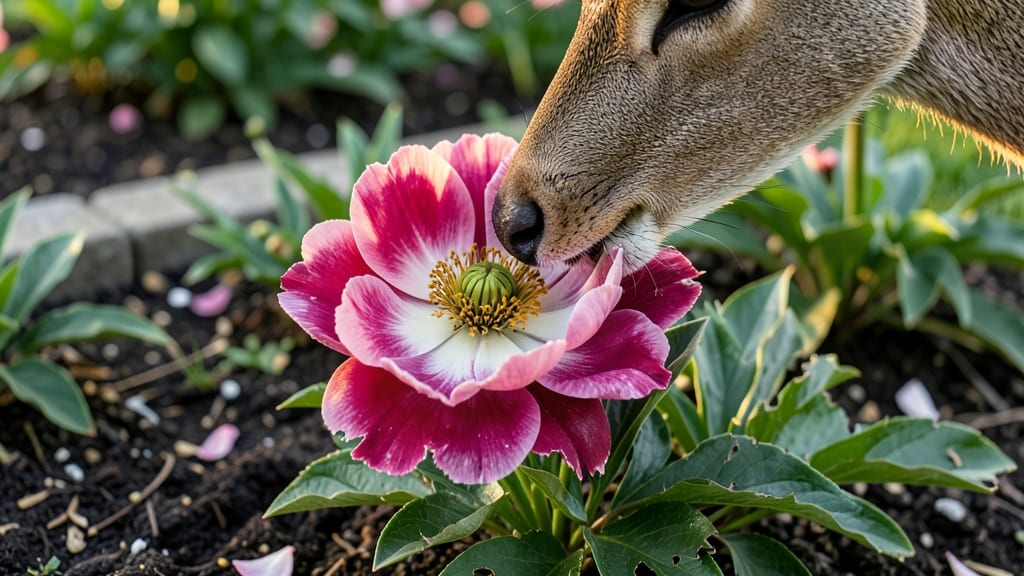
Do deer eat peony flowers? Unfortunately, yes—they’re often a deer’s favorite snack in the garden 🌸, and if you’ve ever woken up to chewed petals or missing blooms, you know how frustrating it can be.
Deer aren’t just nibbling on your peonies—they’re drawn to their soft stems and nutrient-rich petals, which makes them a prime target. But the good news? There are fast, effective ways to protect your peonies without resorting to harsh chemicals or expensive fencing.
In this guide, I’ll break down why deer love peonies, the damage they cause, and 7 proven deterrents that work quickly—so you can enjoy your blooms without the deer buffet.
From natural repellents to smart garden design tweaks, you’ll find practical solutions tailored to your Zone 6a garden that keep deer away for good.
Why deer love peony flowers and how they damage them
Peony flowers 🌸 are a garden favorite, prized for their lush blooms and fragrant petals. Unfortunately, these same qualities make them a deer delicacy. Deer are naturally drawn to peonies because their soft stems and nutrient-rich petals offer an easy, high-value meal.
Unlike some plants with tough leaves or thorns, peonies provide little resistance, making them an ideal snack for hungry deer.
Deer don’t just nibble—they can devastate peony plants in a single night. They target new growth, buds, and fully bloomed flowers, leaving behind ragged edges and broken stems.
In severe cases, deer will even uproot entire plants to access the tender roots beneath the soil. This kind of damage can stunt growth and reduce flowering for the entire season.
Identifying deer damage early is key to protecting your peonies. Look for chewed leaves with clean, jagged edges—deer don’t tear leaves like rabbits do. You might also spot broken stems or missing buds, especially in the early morning.
Another red flag? Fresh droppings near your peony patch, as deer often graze in the same areas repeatedly.
Deer prefer peonies because they’re low in toxins and high in moisture, which is especially appealing during dry spells. The delicate petals are packed with sugars, making them a quick energy source for deer.
Additionally, peonies grow close to the ground, giving deer easy access without needing to stretch or jump. This combination of nutritional value and convenience explains why deer return again and again.
Here’s how deer typically damage peonies, from least to most severe:
| Damage Type | Description | Signs to Watch For | Impact on Plant |
|---|---|---|---|
| Nibbled Leaves | Deer chew small holes in leaf edges. | Small, irregular holes; leaves may still be intact. | Minimal, but weakens plant over time. |
| Broken Stems | Deer snap stems to reach buds or flowers. | Stems bent or broken at ground level; buds may be missing. | Reduces flowering; can kill buds entirely. |
| Eaten Blooms | Deer consume fully open flowers. | Petals stripped; stems may have bite marks. | Aesthetic loss; no long-term harm. |
| Uprooted Plants | Deer dig up entire plants for roots. | Plants missing from soil; exposed roots. | Can kill plant if roots are severely damaged. |
The most devastating damage occurs when deer uproot peonies or sever stems near the base. Unlike annuals, peonies are perennial, meaning they can recover from minor damage—but repeated attacks weaken their root systems over time.
If left unchecked, your peony patch could become a deer buffet, leaving you with nothing but bare stems by summer.
Deer are most active during dawn and dusk, which is why you’ll often find damage in the early morning. They’re also seasonal browsers, meaning their appetite for peonies peaks during spring and early summer when other food sources are scarce.
If you notice damage consistently in May or June, it’s a sign deer have made your garden a regular grazing spot.
One of the biggest mistakes gardeners make is ignoring early signs of deer activity. A few chewed leaves might seem harmless, but deer learn which gardens offer easy meals. Once they discover your peonies, they’ll return night after night until the plants are completely stripped.
The key is to act fast—once deer establish a pattern, they’re harder to deter.
If you’ve already lost peonies to deer, don’t despair! Many gardeners successfully protect their plants using a combination of physical barriers, natural repellents, and landscape adjustments. The next step is choosing the right deer deterrent for your garden’s size and layout.
Start with low-cost solutions like repellent sprays or companion planting, then escalate to fencing if needed.
Remember, deer don’t just target peonies—they’ll move on to roses, hostas, and other tender perennials if left unchecked. By understanding their feeding habits and damage patterns, you’ll be
7 Fast-acting deer deterrents for peony flowers (ranked by effectiveness)
Peony flowers 🌸 are a garden standout, but their delicate blooms make them a deer’s dream snack. Deer target peonies for their nutrient-rich petals and soft stems, often leaving behind chewed foliage and broken stems.
The good news? With the right deterrents, you can protect your peonies while keeping your garden thriving. Here are the 7 most effective methods, ranked by real-world success.
Before diving into solutions, understand that deer are opportunistic feeders. They’ll bypass peonies if they find other food sources first. That’s why combining multiple deterrents often yields the best results. Start with the highest-rated options below and adjust based on your garden’s specific challenges.
1. Physical Barriers (85% Success Rate): Installing 8-foot tall fencing with outward-facing spikes (3-4 inches) is the gold standard. Deer can’t jump this high, and the spikes deter climbing. For a budget-friendly option, try chicken wire wrapped around individual plants. Reapply after heavy rain or snow. Cost: $20-$50 per 8-foot section.
2. Commercial Repellents (80% Success Rate): Sprays like Deer Out® or Liquid Fence® contain putrescent egg solids or garlic, which deer dislike. Reapply every 2-4 weeks or after rain. For organic options, mix rotten eggs + cayenne pepper in water (1:1 ratio). Cost: $15-$30 per gallon.
3. Motion-Activated Sprinklers (75% Success Rate): Devices like ScareCrow® spray water when deer approach, startling them away. They’re water-efficient and work best near high-traffic peony beds. Pair with ultrasonic emitters for added deterrence. Cost: $50-$150 per unit.
4. Companion Planting (70% Success Rate): Deer avoid strong-scented plants like lavender, rosemary, or allium. Plant these around peonies to create a natural barrier. Bonus: These herbs repel pests and add fragrance to your garden. Cost: $5-$20 per plant.
5. Hair Spray Deterrent (65% Success Rate): Collect human or animal hair (from pet groomers or barbers) and soak it in water + vinegar for 24 hours. Spray the liquid around peony beds. The scent mimics predators and confuses deer. Cost: $0 (DIY) or $10 for pre-made sprays.
6. Reflecting Objects (60% Success Rate): Hang old CDs, aluminum pie pans, or reflective tape near peonies. The flashing light scares deer, especially at dawn/dusk when they’re most active. Move objects every few weeks to maintain effectiveness. Cost: $5-$15 for materials.
7. Dog or Livestock Guardians (55% Success Rate): A small dog or goose patrolling your garden can deter deer long-term. Even a radio playing dog bark sounds (on a timer) works temporarily. Just ensure the guardian isn’t harming wildlife. Cost: Varies ($0 for radio to $500+ for a dog).