
Flowers
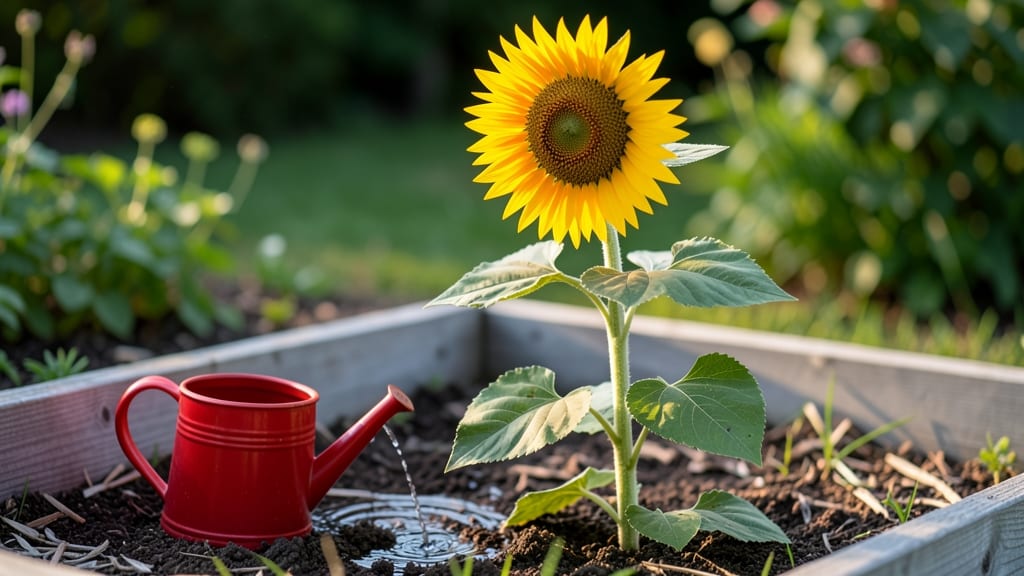
Do sunflowers need a lot of water? The answer is no—they actually thrive on a moderate, thoughtful approach rather than the drenching you might expect for their towering size.
Picture this: your 🌻 seedlings wilt dramatically after a single missed watering, only to bounce back when you dial it back. That’s the paradox of sunflower hydration—too little stunts growth, but too much suffocates roots. The key? Deep, infrequent watering that keeps soil moist but never soggy.
In USDA Zone 6a, where spring planting kicks off in April, young sunflowers crave consistent moisture, while mature plants in summer can handle brief dry spells. I’ll break down the exact schedule, plus how to spot the subtle signs of over- or underwatering before it’s too late.
By the end, you’ll know exactly when to reach for the hose—and when to let the rain do the work.


How much water sunflowers need: the ideal schedule for healthy growth
Sunflowers are often mistaken for heavy drinkers in the garden, but they actually thrive on a moderate watering schedule. The key is providing consistent moisture without drowning their roots. Too much water can cause root rot, while too little stresses the plant during critical growth stages.
Let’s break down exactly how much water sunflowers need at each phase of their life cycle.
Most gardeners assume sunflowers require constant soaking, but this isn’t true. Once established, sunflowers are surprisingly drought-tolerant. The real focus should be on deep watering during their early growth stages. This approach encourages strong root development, which helps them withstand dry spells later in the season.
Here’s the truth: Sunflowers need about 1 inch of water per week during active growth, but this varies by soil type and climate. Sandy soil drains quickly, while clay holds moisture longer. Adjust your watering based on these factors to avoid over- or under-watering.
Below is a stage-by-stage watering guide that covers seedlings, budding, and flowering phases. This schedule ensures your sunflowers get just the right amount of hydration to grow tall and vibrant without wasting water.
During the seedling stage, sunflowers need frequent watering to establish roots. Aim for every 2-3 days and keep the soil consistently moist. Overwatering at this stage can lead to fungal diseases like damping-off, so ensure good drainage. A mix of sandy loam works best for young plants.
As sunflowers enter the vegetative growth phase, you can space watering to every 3-5 days. This is when they start growing rapidly, and deep watering encourages stronger stems. Use a moisture meter or stick your finger 2 inches into the soil—if it’s dry, it’s time to water.
The budding stage is critical for flower development, so maintain 1-1.5 inches of water per week. Reduce frequency slightly in humid climates to prevent mildew.
Watch for yellowing leaves, which can signal overwatering or nutrient deficiencies. Adjust your schedule based on rainfall—if you’ve had heavy rain, skip a watering day.
Once sunflowers reach the flowering and maturity stages, they become more drought-tolerant. Cut back to every 7-10 days and reduce water to 0.5-1 inch per week.
This helps the plant focus energy on seed production rather than unnecessary growth. In arid climates, you may need to water even less frequently.
Seasonal adjustments are key. In summer heat, sunflowers may need water every 2-3 days, while fall watering can drop to bi-weekly. Always water in the early morning to reduce evaporation and fungal risks. Avoid evening watering, as damp foliage overnight invites disease.
Mulching with straw or wood chips helps retain moisture and regulate soil temperature. Apply a 2-3 inch layer around the base of the plant, keeping it 3 inches away from the stem to prevent rot. This simple trick can cut your watering needs by up to 30%.
Remember, sunflowers are resilient. If you miss a watering day, they’ll bounce back—just don’t let the soil dry out completely during the first 6 weeks. With the right schedule, your sunflowers will reward you with vibrant blooms and towering stems all season long.
Signs of overwatering vs. underwatering sunflowers (and how to fix it)
Sunflowers may look tough, but their roots are surprisingly sensitive to water extremes. Overwatering and underwatering both cause visible stress—yellowing leaves, wilting stems, or stunted growth—but the fixes couldn’t be more different. Let’s decode the symptoms so you can rescue your sunflowers before they suffer.
First, check your soil moisture by sticking your finger 1-2 inches deep. If it’s soggy, you’re likely overwatering. If it’s bone-dry, your plants are thirsty. The key is finding that goldilocks zone—just enough moisture to keep roots happy without drowning them.
Most gardeners overestimate how much sunflowers need, thinking they’re desert survivors.
🌱
💧 Sunflower Watering: Pros & Cons
✅ DO This for Healthy Sunflowers
- Water deeply 1-2x/week (1L per plant)
- Use morning watering to reduce fungal risk
- Check soil moisture before watering
- Improve drainage with compost or sand
- Mulch to retain moisture without soggy roots
❌ DON'T Overdo It
- Avoid daily watering (causes root rot)
- Skip evening watering (promotes mildew)
- Don’t let soil stay waterlogged for days
- Ignore yellowing leaves without checking roots
- Use heavy clay soil without amendments
Yellow leaves? That’s your first warning sign—but it’s not always about water. Overwatered sunflowers develop yellowing from the bottom up, while underwatered ones turn yellow evenly and feel crispy. For overwatered plants, reduce frequency to every 5-7 days and improve drainage by mixing in perlite or compost.
Wilting stems are a red flag, but they mean different things. If the soil is dry, your sunflowers are simply thirsty—give them a deep drink at the base. If the soil is soggy, the roots may be rotting.
Gently pull back the mulch and let the soil dry out for 2-3 days before watering again. Root rot spreads fast, so act quickly!
For underwatered sunflowers, focus on consistent moisture rather than daily dousing. Water deeply in the morning, then check soil moisture daily. If your garden soil drains too fast, add organic matter like compost or aged manure to help retain water.
Drought-tolerant varieties like 'Autumn Beauty' handle dry spells better but still need 1 inch of water weekly.
🌻