
Flowers
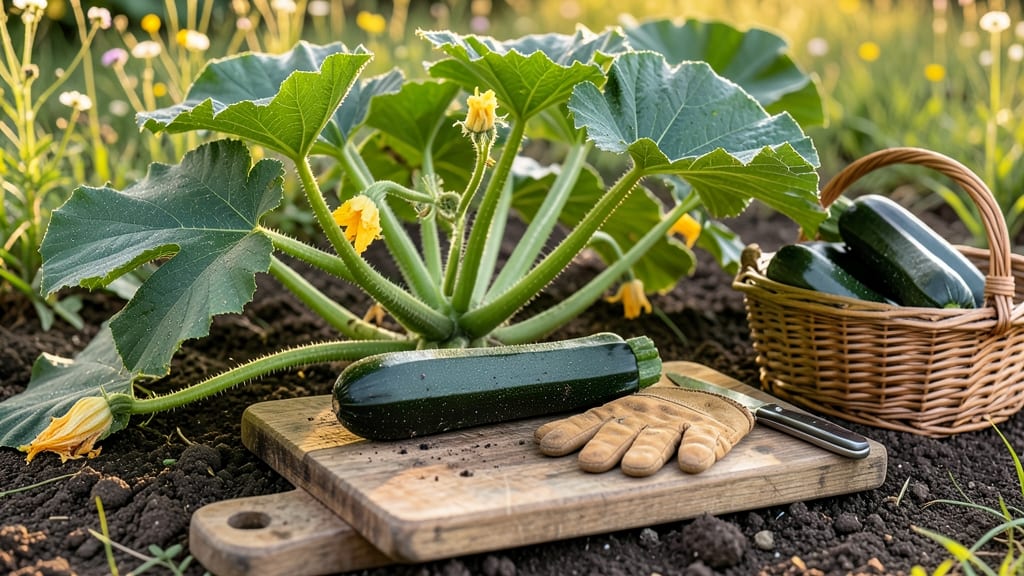
Picking zucchini when the flower falls off is the first step to avoiding bitter, seedy vegetables—but timing matters more than you think.
Your zucchini plant 🎃 is working overtime, dropping flowers like it’s nothing, but that doesn’t mean every one of those squash is ready to harvest. Grab one too soon, and you’ll end up with tiny, underdeveloped fruit.
Wait too long, and you’re left with tough, seedy monsters that taste like regret. The secret? Knowing exactly when to act—and it’s not just about the flower.
Most gardeners focus on the flower drop, but the real magic happens in the next 3 days. That’s when zucchini reach their peak tenderness, sweetness, and texture. Miss this window, and you’ll either be dealing with a rock-hard squash or one that’s already past its prime.
Below, I’ll show you how to spot the perfect moment, what to watch for when the flower falls, and how to keep your zucchini producing like a champ all season.
Ready to go from guessing to harvesting like a pro? Let’s break down the exact signs to look for, the mistakes that ruin your crop, and how to encourage your plants to keep giving you those golden, glossy gems all summer long.
When to harvest zucchini after the flower falls off: the 3-Day rule explained
Zucchini plants produce prolifically, but timing your harvest perfectly is the key to avoiding bitter, seedy vegetables—and the flower dropping is your first clue. When that yellow bloom wilts and falls, it signals the start of a critical 3-day window where your zucchini reaches peak tenderness.
Understanding this process transforms your harvest from guesswork to precision gardening.
Most gardeners assume picking zucchini immediately after the flower drops guarantees perfect results, but the science behind zucchini development tells a different story. The flower's fall triggers rapid growth, but waiting just a few days too long can turn your tender squash into a tough, seedy disappointment.
Let's break down why the 3-day rule exists and how to apply it for consistently delicious harvests.
- Day 1: Flower drops - This is your first signal, but not the harvest time. The zucchini begins rapid growth but is still firm and underdeveloped.
- Day 2-3: Optimal harvest window - The zucchini reaches 6-8 inches with glossy, deep green skin. This is when cell development peaks for maximum tenderness and minimal seeds.
- Beyond Day 3: Overripe risks - The zucchini becomes woody and seedy, with skin that resists thumbnail pressure. Flavor shifts from sweet to bitter as starches convert.
The 3-day rule works because zucchini develop at predictable rates when given proper care. After pollination (when bees visit the flower), the ovary begins expanding rapidly. By day 3, the zucchini has reached its ideal cell maturity—meaning the flesh remains tender while the seeds stay small and edible.
This window aligns with the plant's natural growth cycle when it's most productive.
To apply this rule practically, check your zucchini daily after the flower drops. Look for these 3 key indicators of readiness: 6-8 inch length, deep green color, and a slight give when pressed.
The skin should no longer be pale or waxy—it should look vibrant and slightly shiny. If you're unsure, err on the side of harvesting slightly early; zucchini can continue growing even after picking.
What happens if you harvest too early? Your zucchini will be underdeveloped and hollow, lacking the full flavor potential. The skin may remain pale, and the flesh might be thin. While still edible, these early harvests often feel disappointing compared to properly timed ones.
Conversely, waiting too long leads to the bitter, seedy zucchini many gardeners dread—a common mistake that makes people think all zucchini taste bad.
Pro tip: Use a sharp pruning shear to harvest, cutting the zucchini from the vine about 1 inch above the fruit. This prevents disease entry points and encourages the plant to produce more flowers.
Always harvest in the morning when the zucchini is coolest and most hydrated, ensuring peak flavor and texture.
For continuous production, aim to harvest every 3-5 days during peak season. This frequency prevents overcrowding on the vine, which stresses the plant and reduces future flower production.
When you consistently time your harvests within that 3-day window, you'll enjoy a steady supply of tender, flavorful zucchini all season long.
Remember that environmental factors like temperature and sunlight can slightly alter this timeline. Hotter weather may accelerate growth, while cooler conditions slow it down. Always combine the 3-day rule with visual inspection for the most accurate results in your specific growing conditions.
Mastering this timing transforms your zucchini harvest from a gamble to a predictable success. Soon, you'll be the gardener everyone envies—producing zucchini that's tender, sweet, and perfectly sized every time the flower falls off. 🌱🎃
How to spot overripe zucchini: 5 warning signs beyond the dropped flower
That dropped zucchini flower is your first warning—but it’s not the only sign your squash has overstayed its welcome. Overripe zucchini can turn woody, bitter, and seedy, making them less enjoyable to eat.
The key is learning these 5 visual cues that reveal when your zucchini has passed its prime, so you can salvage them or avoid wasting them entirely.
Even if you’ve missed the perfect 3-day harvest window after the flower falls, you can still use these zucchini to make soups or bread—but knowing these signs helps you harvest at peak tenderness next time.
Let’s break down what to look for and how to act when you spot these red flags.
Overripe Zucchini: What to Watch For
Press your thumbnail into the skin—if it doesn’t dent easily, it’s past its prime.
Rapid growth after flowering causes uneven, exaggerated shapes—signs of overripeness.
Cut one open—if it tastes harsh or bitter, it’s overripe.
Seeds larger than 1/4 inch mean the zucchini is past its edible window.
A loss of vibrant dark green color signals overripeness and reduced quality.
If you spot any of these signs, don’t toss your zucchini—overripe zucchini can still be used! Tough skin? Peel it before cooking. Bitter taste? Use it in soups or bread where flavor isn’t the focus.
The key is to act fast—overripe zucchini spoils quicker and loses its versatility in recipes.
To avoid this next season, harvest every 2-3 days during peak production. Check for the 3-day rule after the flower drops—this is your best shot at tender, flavorful zucchini. And if you’re unsure, measure the length: anything over 8 inches is likely past its prime.
Don’t let overripe zucchini go to waste—use these tips to spot the signs early and keep your harvest bountiful and delicious. Happy gardening!