
Shrubs
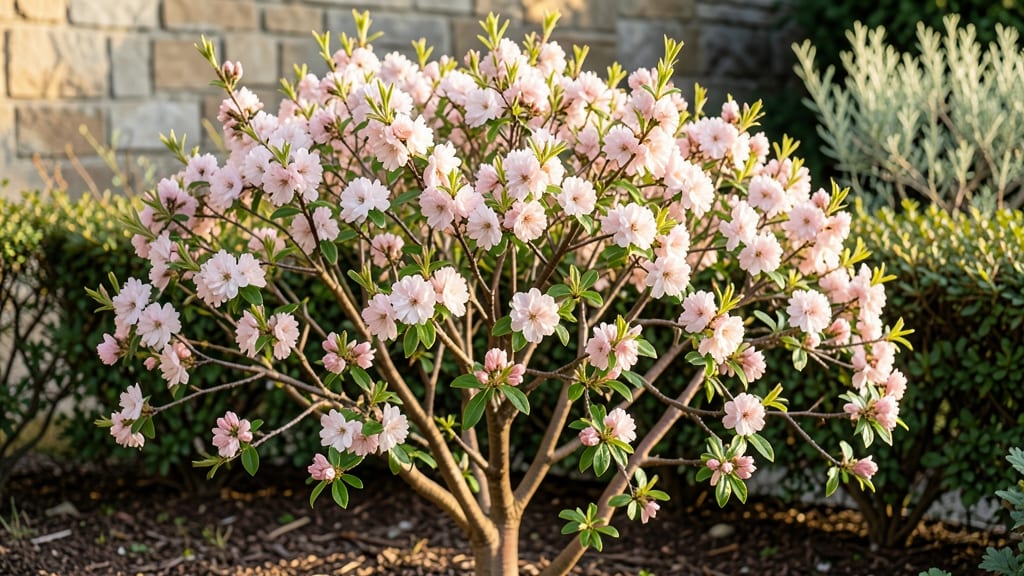
A flowering almond hedge 🌸 thrives when pruned with care—and the secret to those showstopping pink blooms lies in the timing.
Picture this: You’ve just planted your hedge, dreaming of a fragrant spring display, only to realize too late that a single wrong cut can rob you of next year’s flowers. That’s why seasonal pruning isn’t optional—it’s the difference between a lush, blooming wall and a struggling shrub.
From shaping new growth in spring to light trims in summer, I’ll walk you through the exact steps to keep your hedge healthy, dense, and bursting with color year after year.
No more guesswork—just a clear, month-by-month calendar so you can prune with confidence and enjoy that dreamy, blossom-filled garden.
Flowering almond hedge pruning calendar: month-by-month guide for peak blooms
Your flowering almond hedge (Prunus triloba) can become a showstopper with the right pruning schedule. Unlike many shrubs, timing is critical—prune too late or too early, and you’ll miss those pink spring blooms or stunt new growth.
This calendar aligns pruning tasks with your hedge’s natural growth cycles to maximize blooms, density, and health year-round.
Flowering almonds bloom on old wood, meaning last year’s growth produces this year’s flowers. That’s why spring pruning happens after blooms fade, not before. Summer and fall maintenance focus on shaping and removing dead wood to keep your hedge lush.
Let’s dive into the month-by-month tasks to keep your hedge thriving.
Your April pruning is the most critical task—wait until after blooms fade (usually late April) to shape your hedge. This ensures you don’t cut off next year’s flower buds hidden in last year’s wood.
Use clean, sharp tools to make precise cuts just above a leaf node or bud. Avoid heavy pruning now; focus on light shaping and removing dead wood.
In May and June, shift to thinning out dense areas to improve airflow and reduce disease risk. Remove any crossing branches or suckers at the base.
This is also the time to correct minor shape issues—just a few strategic cuts will keep your hedge looking polished without stressing the plant
How to prune flowering almond hedge for thicker growth and more flowers
Pruning your flowering almond hedge isn’t just about keeping it tidy—it’s the secret to encouraging thicker foliage and more abundant blooms. When done correctly, pruning stimulates new growth and ensures those pink spring blossoms return year after year.
The key lies in understanding when and how to make cuts, as well as which tools to use for clean, precise results.
Before you begin, gather your pruning tools. A sharp pair of bypass pruners for small branches, loppers for thicker stems, and a hedge trimmer for shaping are essential. Always disinfect your tools with rubbing alcohol to prevent spreading disease between cuts.
Start by removing any dead or diseased branches first—they’ll only drain energy from your hedge if left unattended.
Step-by-Step Pruning Guide for Thicker Growth
Timing your pruning is just as important as the technique. For flowering almond hedges, the best time to prune is late winter or early spring, right before new growth begins. Avoid pruning in fall, as this can stimulate tender new growth that won’t survive winter.
If you notice overgrown branches during the growing season, you can do light shaping, but avoid heavy pruning—save that for the dormant season.
One common mistake is pruning too aggressively, which can stress the plant and reduce flowering. Instead, aim for gradual pruning over time. For example, remove no more than 25% of the hedge’s foliage in a single session.
This approach ensures your flowering almond hedge stays healthy, lush, and blooming for years to come.
Finally, don’t forget to monitor your hedge after pruning. If you notice yellowing leaves or stunted growth, it may be a sign of over-pruning or nutrient deficiency. In this case, apply a balanced fertilizer and water deeply to help the plant recover.
With the right techniques, your flowering almond hedge will reward you with vibrant blooms and thick, verdant foliage every season.