
Shrubs
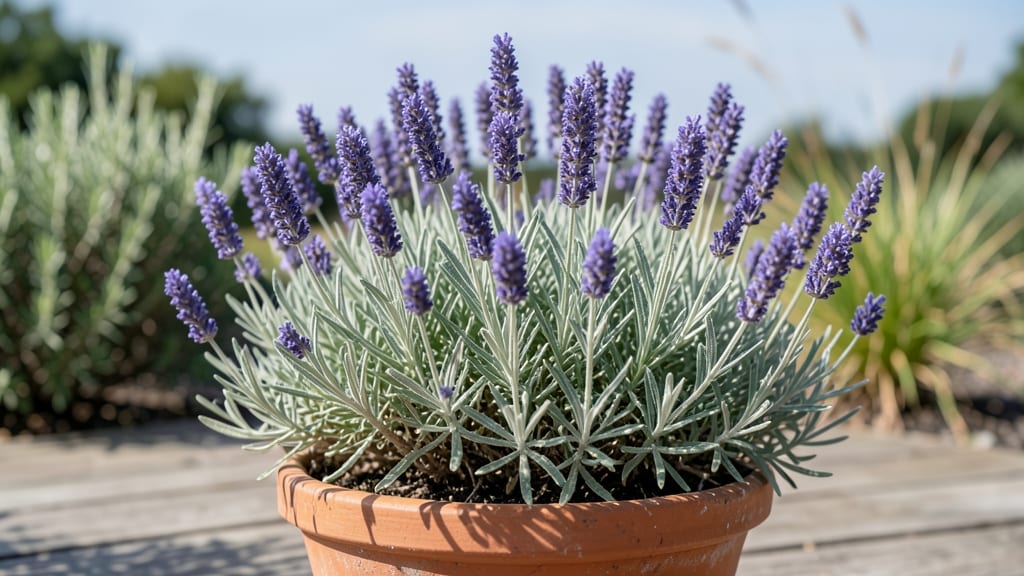
Lavender’s flowering period runs from late spring through summer 🌿, but getting the most out of it depends on knowing when to prune and how to care for your plants.
Wondering why your lavender bushes aren’t blooming as long or as beautifully as they used to? Timing everything right—especially the flowering period and pruning—can transform your lavender from a short-lived summer burst of purple to a lush, fragrant garden star for years to come.
Climate plays a huge role: Mediterranean varieties thrive with longer blooms, while cooler zones like USDA 6 need a little extra care to extend their season. The key is understanding your specific lavender type and adjusting your pruning schedule accordingly.
In this guide, I’ll walk you through the best times to prune for next year’s blooms, how to spot the signs of healthy growth, and simple tricks to keep your lavender flowering longer—no green thumb required.
Understanding lavender flowering periods by variety and climate zones
Lavender is one of those fragrant garden stars that can transform your outdoor space with its calming purple blooms and intoxicating scent. But did you know different lavender varieties bloom at different times?
Whether you're growing English lavender, Spanish lavender, or French lavender, understanding their flowering periods helps you plan for longer blooming seasons and better care. Let’s break down when each variety typically flowers and how your USDA climate zone affects bloom timing.
The peak flowering period for most lavender varieties falls between mid-spring and early fall, but exact timing varies. For example, English lavender often blooms from June to August, while Spanish lavender might start as early as May and continue into September.
Meanwhile, French lavender tends to bloom slightly later, from July to September. These differences are crucial for gardeners who want to extend their lavender’s blooming season or create a garden with continuous color.
Your climate zone plays a massive role in lavender flowering. In USDA zones 8-10, lavender often blooms earlier and longer due to warmer winters and longer growing seasons. In contrast, gardeners in USDA zones 5-7 might see shorter bloom periods, especially if frost arrives early.
For instance, Grosso lavender, a popular variety, thrives in zones 7-9 and typically blooms from July to September, but in cooler zones, its flowering window may shrink to just August.
Here’s a quick comparison of how lavender varieties and climate zones interact to influence flowering periods:
If you’re in a cooler climate (USDA zones 5-6), you can extend your lavender’s blooming season by choosing varieties like English lavender, which is more cold-hardy. On the other hand, gardeners in warmer zones (8-10) might opt for Spanish lavender to enjoy blooms from spring to fall.
The key is to match your lavender variety with your local climate and adjust care practices accordingly.
One of the best ways to prolong lavender blooms is by deadheading spent flowers. This simple task encourages your lavender to produce new flower buds and extends the blooming season by 3-4 weeks.
For example, if you’re growing French lavender in USDA zone 8, deadheading in early August can push blooms into late September. Always use clean, sharp pruners and remove only the bloomed spikes—never cut into the woody stems.
Another tip to maximize flowering is to prune lavender at the right time. For most varieties, pruning should happen right after flowering,
The critical pruning timeline to maximize next year’s lavender blooms
Pruning lavender at the wrong time can turn your fragrant beauty into a leggy, woody mess. The key to longer blooms and healthier growth lies in understanding the lavender flowering period and timing your cuts precisely.
Most gardeners make the mistake of pruning too early or too late—both can stunt next year’s flowers. Let’s fix that with a science-backed timeline.
Your lavender’s flowering period typically runs from mid-summer to early fall, depending on your climate zone. For example, in USDA Zone 7, blooms peak in July and August, while cooler zones may see flowers extending into September.
The goal is to prune after flowering but before new growth—this ensures you’re shaping the plant for next year’s buds.
Step-by-Step Pruning Timeline
- 📅 Step 1: Wait Until After Flowering
Prune 4-6 weeks after your lavender’s last bloom fades (typically late August to early September in most regions). This gives the plant time to store energy for next year’s flowers. - ✂️ Step 2: Use Sharp Bypass Pruners
Avoid dull shears—they crush stems and invite disease. Clean your tools with rubbing alcohol to prevent contamination. - 🌿 Step 3: Cut Just Above a Leaf Node
Never trim into woody stems—this kills the plant. Look for green leaf nodes (tiny buds) and cut 1/4 inch above them. - 🌡️ Step 4: Time It for Mild Weather
Prune on a dry, overcast day (never in humid heat). Ideal temps: 60-75°F. Avoid pruning in fall frosts or winter. - 📋 Step 5: Shape for Airflow
Thin out overcrowded stems to improve air circulation. Aim for a rounded, bushy shape—never a flat top.
One of the biggest mistakes I see is pruning in spring—this removes next year’s flower buds before they form. Another is cutting too aggressively, which can leave your lavender looking like a bald stick.
Always err on the side of light pruning—you can always trim more next year if needed.
For young lavender plants (under 2 years old), skip heavy pruning entirely. Focus on removing dead or damaged stems and shaping lightly. Mature plants (3+ years) can handle a 1/3 reduction in size, but never cut into old wood—this won’t regrow.
Pro tip: Mark your calendar for September 15th as your target pruning date in most climates. If you miss this window, wait until early spring (before buds appear) for a light trim. But remember, spring pruning won’t give you the same bloom boost as fall.
After pruning, give your lavender a light feed with a low-nitrogen fertilizer (like 5-10-10) to support root recovery. Water deeply but avoid soggy soil—lavender hates wet feet. With this timeline, you’ll see longer, fuller blooms next summer and a healthier, bushier plant for years to come. 🌸