
Blooming
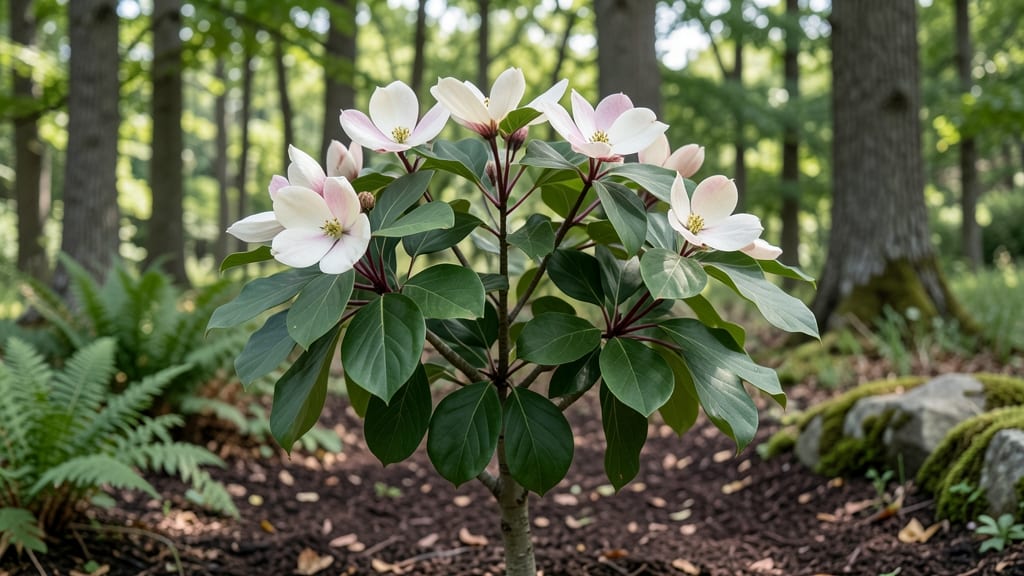
The flowering dogwood bloom you dream of depends on one critical move: pruning at the right time. That single decision determines whether your tree bursts into pink or white glory or skips its spring show entirely.
Picture this: a dogwood 🌸 standing tall in your yard, its branches heavy with buds, only to reveal sparse blooms because you pruned too late. It’s a heartbreaking sight—and one you can avoid with the right timing.
In Zone 6, the ideal window for pruning is late winter to early spring, just before the buds swell. This timing ensures you don’t accidentally cut off next year’s flowers while still shaping the tree for a bold display.
Below, I’ll walk you through the exact pruning schedule, regional adjustments, and the 3 biggest mistakes that kill blooms—so you can enjoy that showstopping spring spectacle year after year.
Optimal flowering dogwood bloom pruning timeline for maximum blooms
The flowering dogwood (Cornus florida) produces its stunning spring blooms on last year's growth, making timing everything when pruning. If you cut too late, you risk removing next year's flower buds before they form.
My exact pruning schedule ensures your dogwood bursts into color every spring while keeping the tree healthy and strong.
Dogwoods bloom on old wood, meaning flowers develop on branches from the previous year. Pruning at the wrong time—like after bud set in late summer—can eliminate next year's blooms entirely.
The key is to prune when the tree is dormant but before new growth begins. Let me break down the critical window and why it matters.
Scientific insight: Flower buds on dogwoods form in late summer (August-September) but remain invisible until spring. Pruning after this period risks cutting off next year's blooms. The tree's growth cycle is what determines the perfect pruning time—late winter to early spring, before sap begins flowing.
My late winter pruning (mid-February to early March) focuses on removing dead, diseased, or crossing branches. This is the safest time because the tree is fully dormant, and no new growth has begun.
Use sharp, clean tools to make 1/4-inch cuts just above a bud or branch collar. Never remove more than 25% of the canopy in one year.
By early spring (March 15-April 15), you can do light shaping to encourage air circulation and sunlight penetration. This is when you can prune up to 1/3 of old growth, but avoid cutting back into the central leader or main scaffold branches.
The goal is to stimulate new growth while preserving next year's flower buds.
Critical deadline: Never prune after late April in most regions. This is when flower buds begin swelling, and any cuts will remove next year's blooms. If you must prune in summer or fall, limit yourself to removing dead wood only—no structural cuts.
For young dogwoods (under 5 years old), prune lightly to establish a strong branch structure. Focus on removing suckers at the base and any branches growing toward the center. Mature trees (10+ years) can handle more aggressive pruning, but always prioritize bloom preservation over aesthetics.
Pro tip: Mark your pruning calendar with the last frost date in your area. In Zone 6, aim to finish pruning by April 15. In warmer zones (7-9), extend the window to late April.
Always err on the side of earlier pruning—you can always prune more lightly later.
After pruning, apply a 2-inch layer of mulch around the base (but not touching the trunk) to retain moisture and protect roots. Water deeply once a week during dry spells to help the tree recover.
With this precise timing, your dogwood will reward you with vibrant blooms year after year. 🌸
Common pruning mistakes that kill dogwood blooms (and how to avoid them)
Flowering dogwoods (Cornus florida) produce their showstopping spring blooms on old wood, meaning last year's growth sets the stage for this year's flowers. Unfortunately, poor pruning timing or technique can severely reduce—or even eliminate— those iconic pink or white blossoms.
Even well-intentioned gardeners often make critical errors that stress the tree and delay flower production for years.
I’ve seen dogwoods go from lush, blooming giants to bare branches in just a few seasons because of common pruning mistakes. The good news? Most of these errors are easily avoidable with the right knowledge.
Let’s dive into the top 5 fatal pruning mistakes and how to revive your dogwood’s bloom potential—even if you’ve already made them.
⚠️ Critical Warning: Pruning Too Late Destroys Next Year’s Blooms
Dogwoods set flower buds in late summer for the following spring. If you prune after August 15, you risk removing next year’s blooms before they form. Late pruning (September onward) can also stimulate weak, late-season growth that won’t harden off before winter—leading to frost damage and reduced vigor.
Recovery Tip: If you’ve already pruned late, avoid heavy cuts next year and focus on light structural pruning in late winter (February) to preserve existing buds.
First on the list: pruning at the wrong time. Many gardeners wait until spring when the tree is actively growing, but this removes potential flower buds before they’ve had a chance to develop fully.
The ideal window is late winter (February), just as dormant season ends but before new growth begins. This ensures you’re only cutting dead or crossing branches, not sacrificing next year’s blooms.
Another costly mistake is aggressive pruning—removing more than 25% of the canopy in one session. Dogwoods are sensitive to heavy pruning, and over-cutting can shock the tree, leading to reduced flowering for 2-3 years.
I once saw a 20-year-old dogwood go from abundant blooms to bare branches after a single year of heavy pruning by a well-meaning landscaper. Stick to light pruning—no more than 10-15% of the canopy—to keep the tree healthy and blooming.
Using the wrong tools is another silent bloom killer. Dull shears or power saws can tear bark, creating entry points for disease and stress responses that divert energy away from flowering.
Always use sharp, clean pruners (bypass pruners for branches under ½ inch thick) and disinfect tools with rubbing alcohol between cuts to prevent bacterial spread. For larger branches, use a pruning saw with fine teeth to make clean cuts without ripping the bark.
Finally, topping or heading back dogwoods is a common but devastating mistake. This harsh pruning technique (cutting branches back to a stub or lateral bud) encourages weak, bushy growth that never produces strong flower buds.
Instead, prune selectively, removing only dead, diseased, or crossing branches at the branch collar. If your dogwood has already been topped, it may take 3-5 years of gentle pruning to restore its natural shape and bloom potential.
If you’ve made one of these mistakes, don’t panic—your dogwood can recover with patience. Start by pruning lightly in late winter, avoid heavy cuts, and focus on tree health (watering, mulching, and balanced fertilization).
With consistent care, even a stressed dogwood can bounce back with stunning blooms in just a few seasons. 🌸