
Trees
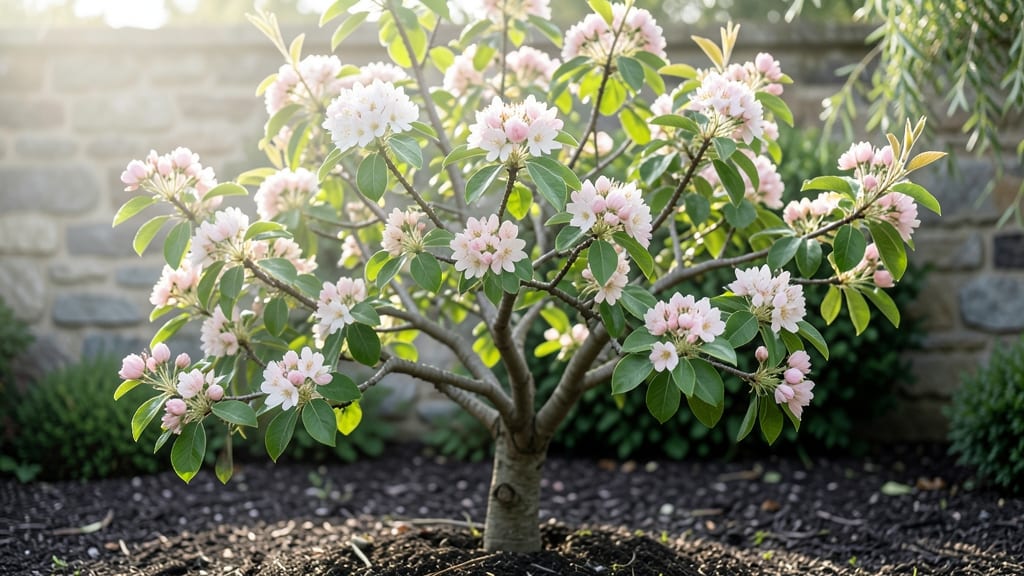
A flowering pear tree exhibits an impressive growth rate, shooting up 2-4 feet per year in ideal conditions and transforming a modest sapling into a showstopper in just a few seasons.
If you're dreaming of a stunning, low-maintenance tree that blooms with breathtaking flowers and grows at a rapid pace, the flowering pear tree could be your perfect match—but how fast can you realistically expect it to grow?
Most varieties hit 10 feet by year three and can reach their full 20-40 foot height in as little as a decade, provided they get the right mix of sunlight, water, and soil.
That’s why understanding the growth rate—and what slows it down—is the key to getting the most out of your 🌳 investment.
In this guide, we’ll break down the fastest-growing varieties, how to maximize growth year by year, and the seasonal care tips that make all the difference between a lagging tree and a thriving one.


Flowering pear tree growth rate by variety: fastest-growing species compared
When choosing a flowering pear tree, growth speed can make all the difference between waiting years for shade and enjoying your tree's beauty sooner. These trees are prized for their show-stopping spring blooms and low-maintenance nature, but their growth rates vary dramatically by variety.
Some varieties like 'Chanticleer' can shoot up 3 feet per year in ideal conditions, while others like 'Aristocrat' grow more slowly but with equal charm. Understanding these differences helps you pick the perfect tree for your landscape timeline and space.
Fast growth isn't just about height—it also means quicker establishment, earlier blooms, and sooner shade. For example, the 'Bradford' variety is a classic for its rapid growth and abundant flowers, but it can also develop that infamous "Bradford leaf scorch" issue.
Meanwhile, newer varieties like 'Capital' offer disease resistance alongside speed. Let's compare the top varieties so you can make an informed choice based on your yard's size and your patience level.
🌱
If you're in a hurry for shade and color, 'Chanticleer' takes the crown for fastest growth, gaining 3-4 feet annually in optimal conditions. This variety is perfect for urban spaces where you want quick results without sacrificing beauty.
Its dense branching also means earlier and more abundant blooms compared to slower growers. However, its rapid growth can sometimes lead to structural weakness if not pruned properly—more on that in our next section!
The 'Bradford' remains a gardening classic, but its 2-3 feet per year growth rate is slightly slower than Chanticleer's. What it lacks in speed, it makes up for in abundant, fragrant blooms and a classic, rounded shape.
Just be aware of its susceptibility to leaf scorch disease, which can mar its otherwise stunning appearance. For disease-prone areas, 'Capital' is an excellent alternative with similar growth rates but built-in resistance.
On the slower end, 'Aristocrat' grows at a more leisurely 1-2 feet per year, making it ideal for smaller yards or container growing. Its compact size and upright habit prevent it from becoming too large, though it may take 10-15 years to reach full maturity.
This variety excels in areas where space is limited but you still want the showy spring flowers and glossy foliage that flowering pears are known for.
For those with larger properties or windy climates, 'Cleveland Select' offers a happy medium with 2-3 feet annual growth and exceptional branch strength. This variety handles wind better than most, making it a great choice for exposed sites.
Its mature size is comparable to Bradford's, but its disease resistance and sturdy structure give it an
How to maximize flowering pear tree growth: pruning, soil, and sunlight tips
If you've planted a flowering pear tree, you're already on your way to creating a stunning focal point in your landscape—but did you know the right care can double its growth rate?
These trees thrive with the right conditions, and I've learned through years of gardening that soil quality, pruning techniques, and sunlight exposure make all the difference. Let's explore how to give your tree the best chance to grow 2-4 feet per year or more.
One of the first lessons I learned was that flowering pear trees are fast growers when given optimal care, but they're also sensitive to poor soil and over-pruning. The key is balancing their needs with practical gardening strategies that won't overwhelm you.
Whether you're working with a young sapling or an established tree, these tips will help you maximize both height and bloom production.
🌱 5 Key Strategies to Accelerate Flowering Pear Tree Growth
- 🌞 Full Sun Exposure: Plant in 6+ hours of direct sunlight daily for maximum growth and vibrant blooms.
- 🌿 Well-Draining Soil: Amend clay soil with compost and sand to prevent root rot and improve nutrient uptake.
- ✂️ Seasonal Pruning: Prune in late winter to remove dead branches and shape the tree for faster vertical growth.
- 💧 Deep Watering: Water deeply once weekly (20L per tree) to encourage deep root development.
- 🌱 Fertilizer Boost: Apply balanced 10-10-10 fertilizer in early spring to fuel rapid growth.
Let's start with soil preparation, as this is the foundation of healthy growth. Flowering pear trees prefer well-draining soil with a slightly acidic to neutral pH (6.0-7.0). If your soil is heavy clay, mix in compost and sand to improve aeration and drainage.
I've found that adding aged manure or worm castings can also provide essential nutrients without overwhelming the tree. Mulching around the base with wood chips helps retain moisture and regulate soil temperature.
When it comes to pruning, timing is everything. The best time to prune is in late winter before new growth begins. This allows you to remove dead or diseased branches and shape the tree while it's dormant.
Avoid heavy pruning in summer, as this can stress the tree and reduce flowering. Instead, focus on light shaping to encourage vertical growth. I've seen trees grow 3 feet taller in a single season when pruned correctly in late winter.
Sunlight is another critical factor for maximizing growth. Flowering pear trees need full sun (6+ hours daily) to thrive. If your tree isn't getting enough light, you'll notice smaller leaves and fewer blooms. In partial shade, growth will be slower, and the tree may become susceptible to pests.
If you're planting in a shady area, consider a smaller variety like 'Chanticleer' or 'Aristocrat,' which tolerate partial shade better than standard types.
Finally, don't forget about watering and fertilizing. Young trees need weekly deep watering to establish strong roots, while mature trees can handle bi-weekly watering once established. For fertilizer, apply a balanced 10-10-10 formula in early spring and again in mid-summer to support rapid growth.
I've noticed that trees fertilized this way often outgrow their neighbors by 1-2 feet per year.
With these strategies, your flowering pear tree can reach its full potential—20-40 feet tall with stunning blooms—while staying healthy and vibrant.
The key is consistency: good soil, proper pruning, full sun, and regular care will reward you with a tree that grows faster and blooms more beautifully than you ever imagined. 🌳