
Blooming
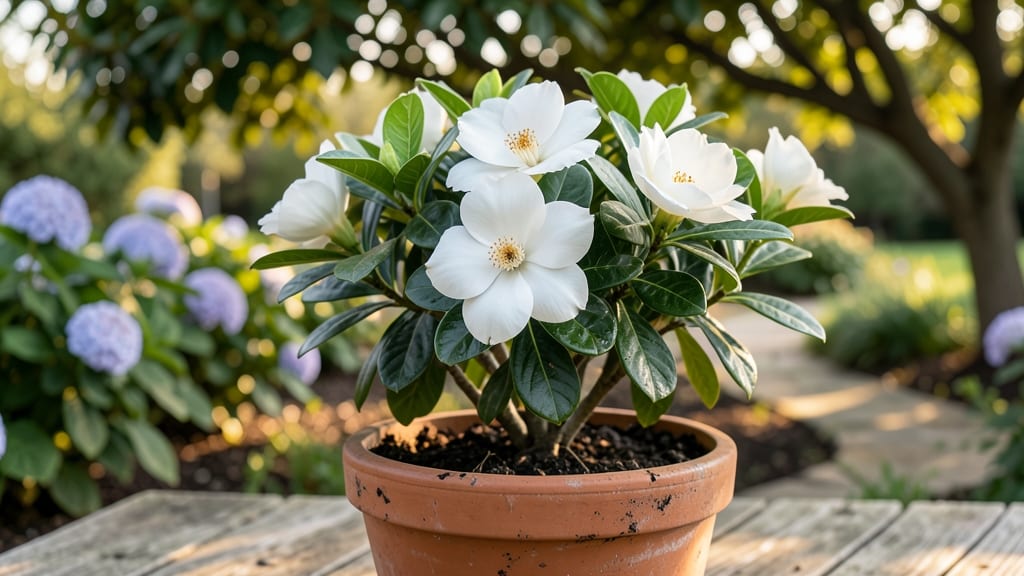
Gardenia flowering season unfolds in June through September 🌸, when fragrant white blooms transform your yard into a tropical paradise—but only if you’ve got the timing right.
If you’ve ever waited in vain for your gardenia to burst into fragrant white blooms, timing is everything—this delicate tropical beauty follows precise seasonal cues based on your climate zone.
In USDA Zone 6a, where many gardeners live, blooms typically arrive in late June, peaking through August before tapering off by early fall. But in warmer zones like Florida or Southern California, you might see flowers year-round—or at least a much longer season—if you adjust care just right.
Below, I’ll break down the exact months to expect blooms in your area, the three key factors that influence flowering, and the simple tweaks that can extend your gardenia’s show by weeks.
Gardenia flowering season by USDA climate zones: exact months for peak blooms
Gardenia plants thrive in warm climates and their flowering season varies dramatically across USDA Zones 8-11. In cooler zones like Zone 8, blooms typically appear in late spring, while tropical Zone 11 gardenias may flower year-round with proper care.
Understanding these patterns helps you anticipate when to expect those fragrant white blooms and adjust your care routine accordingly.
Temperature plays the biggest role in triggering gardenia blooms. These tropical shrubs need consistent warmth (above 60°F/15°C) to set buds. In southern climates, longer growing seasons mean extended flowering periods, while northern zones experience more defined seasonal blooms.
Humidity also matters—high humidity (60%+) encourages healthier blooms, which is why coastal areas often see more prolific flowering.
Here’s a quick reference for when to expect peak blooms in each zone, along with key factors influencing timing:
| USDA Zone | Peak Blooming Months | Key Factors | Regional Notes |
|---|---|---|---|
| Zone 8 | May–July | 60–75°F, moderate humidity | Southern Georgia, coastal NC |
| Zone 9 | April–August | 70–85°F, consistent moisture | Central Florida, Southern California |
| Zone 10 | March–October | 75–90°F, high humidity | Houston, Phoenix (with winter protection) |
| Zone 11 | Year-round (with care) | 80°F+, high humidity | Miami, Hawaii, Southern California coasts |
In Zone 8, gardenias typically bloom from May to July as temperatures stabilize. This is when daylight hours lengthen, signaling the plant to produce flowers. In Zone 9, the season extends from April to August, thanks to warmer winters and longer growing seasons.
Here, gardenias may even produce a second flush of blooms in late summer if conditions remain ideal.
For gardeners in Zone 10, the flowering window stretches from March to October, making it one of the most rewarding zones for continuous blooms. The key is maintaining consistent moisture and acidic soil (pH 5.0–6.5) to prevent stress.
In Zone 11, gardenias can flower year-round, but they often need protection from intense midday sun and regular pruning to encourage new growth and blooms.
Daylight also influences bloom timing. Gardenias are short-day plants, meaning they respond to decreasing daylight hours. In northern zones, blooms appear as days shorten in late summer, while in southern zones, the lack of a pronounced winter means more continuous flowering.
For example, Southern California’s coastal areas (Zone 10–11) can enjoy blooms almost year-round due to mild winters and steady temperatures.
Humidity is another critical factor. Gardenias thrive in 60–80% humidity, which is naturally higher in coastal regions like Florida or Louisiana. In drier climates (e.g., Southern California inland), you may need to mist leaves or use a humidifier to encourage blooming.
Even a pebble tray under the pot can make a difference for container-grown gardenias.
If you’re in a transition zone (like Zone 8b), your gardenia might bloom later in the season or require winter protection (e.g., moving pots indoors). Pay attention to bud formation—healthy buds that swell but don’t open may indicate temperature stress or nutrient deficiencies.
A light fertilizer application in early spring (using a 10-10-10 balanced formula) can jumpstart blooming.
Pro tip: In Zone 9–11, prune lightly after the first flush of blooms to encourage a second flowering cycle. Remove spent flowers and overcrowded branches to improve air circulation and reduce disease risk. This keeps your gardenia looking its best and maximizes your fragrant bloom time.
🌸
How to extend your gardenia’s flowering season with proven techniques
Your gardenia’s natural flowering season may feel too short, but with the right timing and care, you can coax earlier blooms or prolong the show. Gardenias thrive on consistent conditions, and small adjustments in pruning, light, and nutrition can shift their bloom cycle by weeks.
The key is understanding their tropical roots—these plants love humidity, warmth, and gentle encouragement to keep producing those fragrant white flowers.
One of the simplest ways to extend blooms is by pruning strategically. Unlike many shrubs, gardenias bloom on new wood, so prune lightly after flowering to remove only dead or overcrowded branches. This encourages fresh growth that will develop next season’s buds.
Avoid heavy pruning in late summer, as it can delay or reduce flowering. Instead, focus on shaping in early spring to promote a longer bloom window.
Organic vs. Synthetic Methods for Seasonal Extension
Organic Methods
- Pros: Improves soil health, slow-release nutrients
- Cons: Requires more frequent applications
Examples: Compost tea, fish emulsion, worm castings
Synthetic Methods
- Pros: Fast results, precise nutrient delivery
- Cons: Can harm soil microbes, risk of over-fertilization
Examples: 10-10-10 balanced fertilizer, bloom boosters
Light Adjustments
- Pros: Extends natural daylight exposure
- Cons: Requires grow lights for indoor plants
Tip: Move potted gardenias to bright indirect light in fall to delay dormancy
Humidity Control
- Pros: Mimics tropical conditions, prevents bud drop
- Cons: Risk of fungal issues if overdone
Tip: Use a pebble tray with water or a humidifier near plants
Light plays a crucial role in extending your gardenia’s flowering season. These tropical plants naturally bloom in response to longer daylight hours, so if you want later blooms, provide supplemental light in fall.
For indoor gardenias, place them near an east-facing window or use a grow light for 4-6 hours daily to simulate extended daylight. In cooler climates, this can push blooming into late fall or even winter with proper care.
Humidity is another critical factor—gardenias originate from tropical regions where air moisture is high. To encourage continuous blooming, maintain 50-70% humidity around your plants. Use a humidifier or place pots on trays filled with pebbles and water.
Avoid misting leaves directly, as this can promote fungal diseases like powdery mildew. A simple grouping plants together also creates a microclimate with higher humidity, which gardenias will thank you for with more abundant blooms.
Fertilizer timing directly impacts bloom production. Gardenias respond best to balanced, acid-loving fertilizers applied every 4-6 weeks during active growth. To extend the flowering season, start fertilizing in early spring and continue until mid-summer.
Switch to a low-nitrogen, high-phosphorus formula (like 5-10-10) in late summer to encourage bud formation. Organic options like fish emulsion or compost tea provide slow-release nutrients that support steady growth without burning the plant.
For gardeners in cooler climates, consider winter protection to encourage earlier spring blooms. Wrap potted gardenias in burlap or frost cloth during cold snaps, and move them to a bright, cool location (like a garage with natural light).
This helps the plant conserve energy, leading to healthier growth and earlier flowering once temperatures rise. With these techniques, you can enjoy your gardenia’s fragrant blooms for up to 3 months longer than their natural season.