
Blooming
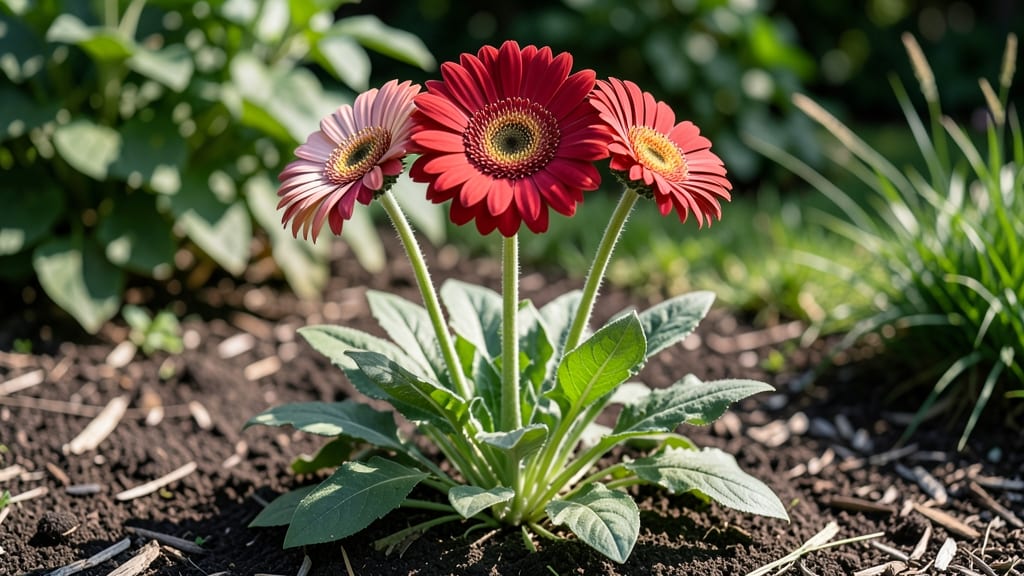
The gerbera flowering time in most temperate zones spans June through September, though your exact window depends on your USDA zone and growing conditions.
Want vibrant gerbera daisies blooming in your garden all summer? Timing is everything—these cheerful flowers follow precise seasonal patterns based on your USDA zone, and knowing exactly when to expect their peak color can mean the difference between a stunning display and a missed opportunity.
For example, in zone 6a, where I garden, the first blooms appear in early June, while in warmer zones like 9-11, gerberas may flower year-round with proper care. The key is understanding how climate, sunlight, and deadheading affect their flowering window.
Below, I’ll break down the exact months for peak blooms by zone, plus three proven techniques to extend your gerberas’ flowering season—so you can enjoy those bright 🌼 faces from spring to fall.
Gerbera flowering time by USDA Zone: exact months for peak blooms
Gerbera daisies are famous for their bright, cheerful blooms that light up gardens from early summer to fall. But their flowering window varies dramatically depending on your USDA zone.
In colder regions like Zone 3-5, you’ll see shorter seasons, while Zones 9-11 can enjoy near-year-round color with proper care. Understanding these patterns helps you plan planting times and extend blooms for maximum impact.
Most gerberas follow a spring-to-fall blooming cycle, with peak periods shifting by 2-4 weeks between zones. For example, Zone 9 gardeners might see blooms as early as March, while Zone 5 growers won’t hit peak color until mid-July.
Even within the same zone, microclimates (like urban heat islands) can push blooms 1-2 weeks earlier. Let’s break down the exact months for each zone.
In Zones 3-4, gerberas are typically grown as annuals due to short seasons. Their late-June start coincides with soil warming, but you can jumpstart blooms by planting 4-6 weeks before your average last frost date.
For example, in Zone 4 (Minneapolis), that means planting by May 15th for June blooms. Use row covers to extend fall color into early September.
Gardeners in Zones 5-6 enjoy the longest continuous blooming window, from mid-June through September. This makes them perfect for cut flower gardens or container displays. The key to fall extensions is deadheading and reducing nighttime temperatures—use lightweight row covers on chilly nights to protect buds.
In Zone 6 (Chicago), expect peak color in July-August, with late bloomers lasting until early October.
Southern gardeners in Zones 7-8 can push gerbera blooms into November with proper care. The May start is earlier here, but heat stress in July-August often causes temporary dormancy. To combat this, provide afternoon shade during peak summer and increase watering frequency to every 2-3 days.
In Zone 8 (Atlanta), I’ve seen second flushes appear in late September after a light pruning to remove leggy growth.
Tropical and subtropical zones (9-11) offer the most flexibility. In Zone 9 (Los Angeles), gerberas can bloom year-round if protected from extreme heat (above 95°F) and frost.
For Zone 10-11 gardeners, treat them as perennials—they’ll reward you with spring-to-fall color and even winter blooms in mild microclimates. The trick is consistent moisture and balanced fertilization every 6-8 weeks.
One common misconception is that gerberas bloom only once per season. In reality, with proper deadheading and care, they can produce 3-5 flushes of blooms in a single season. For example, in Zone 7, I’ve had gerberas produce: 1st flush: June 2nd flush: July (after deadheading) 3rd flush: September (with fall fertilization)** Bonus: October
How to extend gerbera flowering season: proven techniques for longer blooms
Gerberas thrive on consistency, and their flowering time can stretch dramatically with the right care. Most varieties bloom from late spring to early fall, but with strategic adjustments, you can coax vibrant blooms into late summer or even early autumn.
The key lies in understanding their light needs, nutrient cycles, and seasonal triggers—especially in cooler zones where frost threatens early.
I’ve found that combining deadheading with soil amendments and light optimization can extend gerbera blooms by 4-6 weeks in my Zone 7 garden. For example, adding composted manure in early spring jumpstarts growth, while strategic pruning redirects energy from seed production back to flower buds.
Let’s break down the proven techniques that work across zones.
One common mistake I see is over-fertilizing with nitrogen, which promotes lush foliage but stops flowering. Instead, switch to a low-nitrogen, high-phosphorus formula (like 3-12-6) when buds form.
Another pitfall is ignoring soil pH—gerberas prefer 6.0-6.5. Test your soil and amend with lime or sulfur as needed to keep blooms vibrant.
For Zone 3-5 gardeners, extend the season by planting gerberas in containers and moving them to a sunny indoor spot (like a greenhouse or sunroom) before the first frost.
In Zone 8-11, use shade cloth during extreme heat to prevent bud drop. With these adjustments, you’ll enjoy continuous blooms from June through October—or even later!
Pro tip: Pinch back young plants to encourage bushier growth with more flower stems. This works best when plants are 6-8 inches tall and before the first buds appear. Pair this with regular deadheading, and you’ll have a gerbera powerhouse that outlasts the season’s end.