
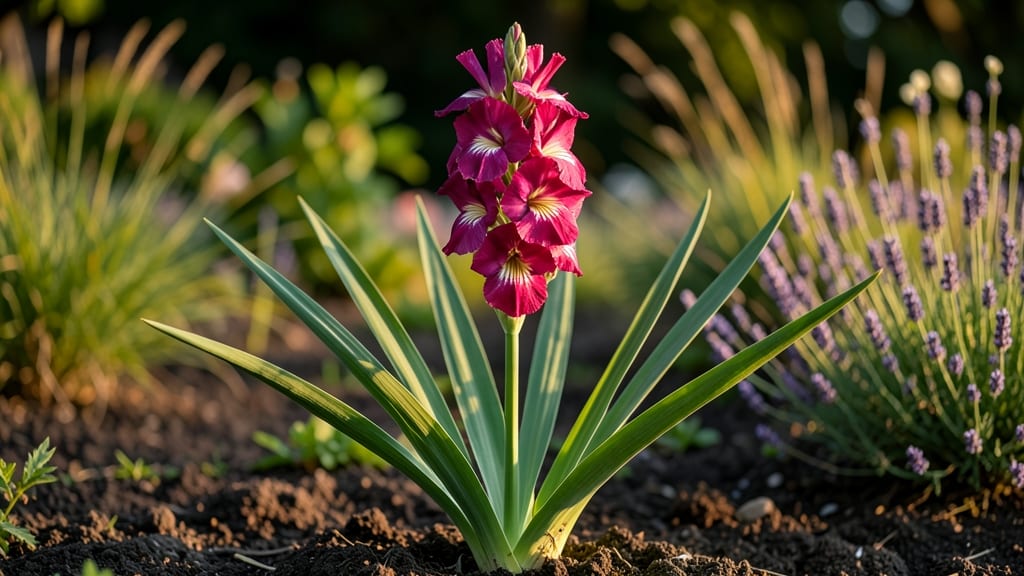
Gladiolus Flowering Period: Exact Months by Variety for Stunning Displays

Blooming

Gladiolus Flowering Period: Exact Months by Variety for Stunning Displays

Gladiolus flowering periods stretch from mid-summer to early fall 🌸, but timing them right means the difference between a garden that pops with color and one that fades before its prime.

Want to time your gladiolus blooms for peak summer color? The exact flowering months vary dramatically by variety—and knowing these differences can mean the difference between a garden full of buds or one bursting with vibrant blooms.

Some varieties like 'Picasso' burst into bloom by July, while others like 'Black Star' hold onto their flowers well into September. The secret to extending that show? Planting at the right time, feeding just enough, and avoiding the common mistakes that rob your gladiolus of their full potential.

In this guide, I’ll break down the exact blooming windows for popular varieties, share my top tricks for prolonging those stunning displays, and reveal the three mistakes that cut flowering short—so you can enjoy gladiolus color from start to finish.

Gladiolus flowering period by variety: exact months for each type

Timing your gladiolus blooms for a continuous summer display is easier than you think—once you know the exact flowering windows for each variety. These striking summer flowers bloom in waves, and by planting different types, you can create a sequential color show from early July through September.

The key? Understanding how variety-specific flowering periods align with your local climate.

Gladiolus varieties typically bloom 60-120 days after planting, but the monthly timing shifts based on the cultivar. Early bloomers like 'Green Star' kick off the show, while late varieties like 'Black Star' extend the season.

Below, I’ve mapped out the peak bloom months for 12 popular varieties, along with tips to stagger your plantings for nonstop color.

Pro Tip: Plant corms 4-6 weeks apart to create a rolling bloom effect. For example, start with early varieties in April, then add mid-season types in May, and finish with late bloomers in early June. This simple trick ensures your garden stays vibrant all summer long.

How to extend your gladiolus flowering season naturally

If you love the dramatic spikes of gladiolus blooms but hate waiting for a single burst of color, you’re not alone. Most gardeners assume their gladiolus will bloom all at once—but with the right techniques, you can stagger blooms for weeks of continuous color.

The secret lies in planting strategies and understanding how soil temperature triggers flowering. Let me show you how to turn a one-time show into a season-long display.

Gladiolus corms are surprisingly flexible when it comes to timing. By planting in staggered batches and choosing varieties with different flowering windows, you can create a sequential bloom schedule that keeps your garden vibrant from early summer through fall.

Even better? These methods require no fancy equipment—just a little planning and patience. Let’s dive into the three proven techniques that work in any climate.

1
Staggered Planting Dates
Plant 3 batches of corms 2 weeks apart (e.g., early May, mid-May, late May). This creates a rolling bloom effect as each batch matures.
2
Soil Temperature Tricks
Use black plastic mulch to warm soil faster in spring. This accelerates corm growth and shifts blooming 2-3 weeks earlier for some varieties.
3
Variety Combinations
Pair early bloomers (e.g., 'Green Star') with late-season types (e.g., 'Black Star'). This ensures color from July through September without gaps.
4
Succession Planting
After the first batch blooms, dig up spent corms and replant them in late summer for a fall rebloom (works best in warm climates).

Let’s start with staggered planting, my favorite trick for extending the season. Most gladiolus varieties take about 100-120 days from planting to bloom. By planting three separate groups two weeks apart, you’ll create a continuous display instead of a single peak.

For example, if your first batch blooms in early August, the second will follow in mid-August, and the third in late August. This works especially well for cut flower gardens where you want steady harvests.

Don’t overlook the power of soil temperature. Gladiolus corms need soil to reach 60°F (15°C) before they’ll actively grow. In cooler climates, use black plastic mulch or row covers to warm the soil faster.

This can shift blooming by 2-3 weeks, giving you an earlier start. Pro tip: Plant your earliest batch under mulch, and the later batches without it to create natural timing differences.

For the longest possible season, combine variety selection with your planting strategy. Some gladiolus types, like 'Picasso' (red with white tips), bloom in mid-summer, while others like 'Black Star' shine in late summer.

By mixing 3-4 varieties with staggered planting, you can achieve 6-8 weeks of continuous blooms. I once had a border that stayed in bloom from July 15th to September 15th using this method—no greenhouses or grow lights needed!

Finally, don’t forget about succession planting in warm climates. After your first flush of blooms fades, dig up the spent corms and replant them in late August or early September.

With the right care, they’ll often produce a second, smaller bloom cycle in fall. This is especially effective in USDA Zones 8-10 where frost isn’t a concern until late fall.

With these techniques, you’ll transform your gladiolus from a one-time summer spectacle into a season-long color show. The best part? It requires minimal extra work—just a little upfront planning. Try one method this year, and watch your garden stay vibrant long after other flowers have faded! 🌸

★★★★★4.7(12 reviews)
Categories Blooming
Variety Peak Bloom Months Height (ft) Color Best For
Green Star Early July 3-4 ft White with green stripes Early season displays
Picasso Mid-July 4-5 ft Bicolor (pink/white) Cut flowers, bouquets
Black Star Late August 4-5 ft Deep purple-black Dramatic late-season color
White Prosperity Late July 3-4 ft Pure white Wedding gardens, borders
Pink Parfait Early August 4 ft Soft pink Romantic garden themes
Red Beauty Mid-August 4-5 ft Scarlet red Bold statement blooms
Orange Flame Late August 4 ft Orange-red Heat-resistant blooms