
Flowers
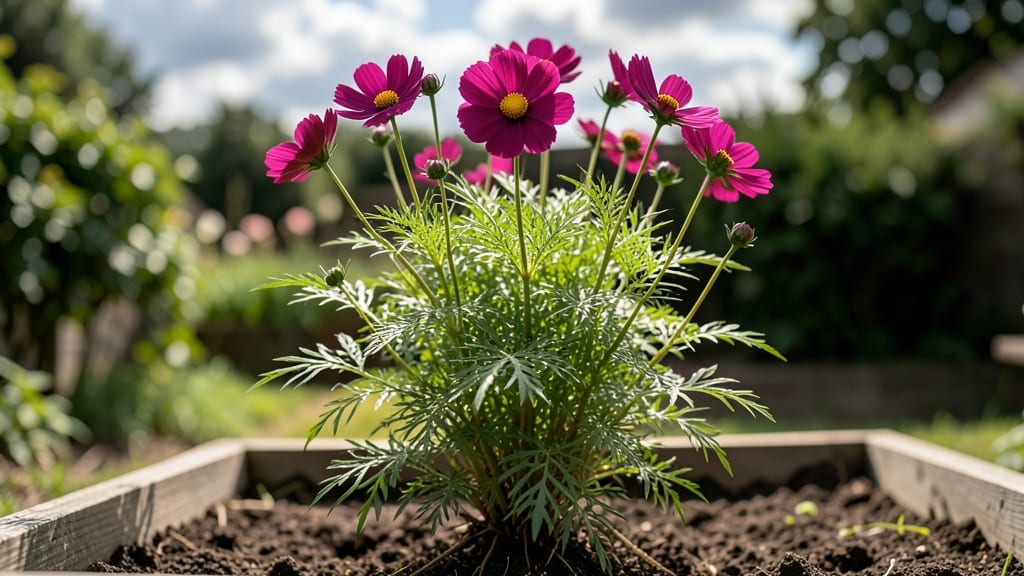
Cosmos flowers grow to heights between 1 and 6 feet, depending on the variety, making them a versatile choice for any garden layout.
If you’re planning a vibrant summer garden, cosmos flowers are a must—but their height varies dramatically by variety, from delicate 1-foot dwarfs to towering 6-foot giants. Choosing the right height ensures your garden thrives with balance, color, and minimal maintenance.
For example, Cosmos bipinnatus typically reaches 4 to 5 feet at maturity, perfect for mid-border planting, while Cosmos sulphureus can stretch up to 6 feet, ideal for adding vertical drama. Understanding these differences helps you design a garden that feels intentional and well-spaced.
In this guide, I’ll break down the height ranges of popular cosmos varieties, share tips for managing growth, and show you how to use these flowers to create stunning visual impact—whether you’re filling a small container or designing a towering backyard display.

Cosmos flower height by variety: growth charts for garden design
When designing your summer garden, cosmos flowers offer unmatched versatility—but their height varies wildly between varieties. Some stay compact at 12 inches tall, while others soar to 6 feet, creating stunning vertical accents.
Understanding these height differences helps you plan spacing, companion plants, and even container arrangements for a cohesive look.
I’ve grown cosmos for years, and the biggest mistake I see is planting tall varieties too close to dwarf types. This can lead to overcrowding, poor airflow, and even reduced flowering.
The key is matching height categories with your garden’s layout—whether you’re creating a pollinator-friendly meadow or a structured cottage garden.
Below is a detailed height guide for popular cosmos varieties, including growth progression charts to help you visualize their mature size. Use this as your garden blueprint to ensure every plant has room to thrive.
The tallest cosmos varieties, like 'Sensation Mix' and 'Seashells', reach 5-6 feet and are perfect for backdrop planting or cut flower arrangements. I always plant these 18-24 inches apart to prevent overcrowding and ensure good airflow, which reduces fungal risks.
For medium-height cosmos (3-4 feet), like 'Bright Lights', I recommend 12-16 inches of spacing. These work beautifully in mixed borders or as pollinator magnets when paired with lavender or salvia. Their bushier growth habit also makes them ideal for container gardens if pruned regularly.
Dwarf varieties, such as 'Purity' or 'Double Click', stay under 2 feet tall and thrive in 6-inch pots or rock gardens. These are my go-to for edging pathways or filling gaps between taller perennials. Their compact size also makes them low-maintenance and drought-resistant once established.
Pro tip: If you’re growing cosmos in containers, choose dwarf or semi-dwarf varieties to avoid toppling over. A 5-gallon pot works well for 2-foot-tall varieties, while taller cosmos need at least 7-gallon containers with stakes for support. Always use well-draining soil to prevent root rot.
One of my favorite garden design tricks is pairing tall cosmos with low-growing annuals, like snapdragons or alyssum. This creates a natural tiered effect while attracting butterflies and bees. For example, plant 'Sensation Mix'
How cosmos flower height affects garden layout and care
The height of your cosmos flowers isn’t just about aesthetics—it directly impacts your garden’s structure, airflow, and even maintenance. A 6-foot cosmos planted in the front row will flop over neighboring plants, while a 1-foot dwarf variety tucked in the back won’t create the drama you’re after.
Let’s break down how to use height to your advantage and keep your cosmos thriving.
First, consider your garden’s layout zones. Tall cosmos varieties like 'Bright Lights' or 'Double Click' (4-6 feet) make stunning backdrops for pathways or trellises, while dwarf cosmos (1-2 feet) shine in borders or container gardens.
The key is spacing: give tall varieties 18-24 inches apart and dwarfs 12-15 inches to prevent overcrowding and disease.
- 🌱 Position by height: Plant tall cosmos (4-6 ft) at the back of beds or near fences/walls to avoid blocking sunlight for shorter plants.
- ✂️ Prune strategically: Pinch back tips of young plants to encourage bushier growth. For tall varieties, cut back 1/3 of stems after first flush of blooms to promote second flowering.
- ☀️ Optimize sunlight: Tall cosmos need full sun (6+ hours), but dwarfs tolerate partial shade (4-6 hours). Adjust placement if your garden has hot afternoon sun.
- 💧 Adjust watering: Taller cosmos have deeper root systems—water deeply 1-2 times per week. Dwarfs need frequent shallow watering to prevent flopping.
- 🌿 Soil matters: Amend heavy clay soil with compost to prevent root-bound stunting. Tall varieties benefit from organic matter-rich soil to support their height.
Don’t overlook the pruning power to control height naturally. If your cosmos are growing too leggy, simply cut back the longest stems by half. This triggers bushier growth and prevents them from toppling over.
For cut flower arrangements, let tall varieties grow unpruned until harvest—just remove spent blooms to redirect energy to new flowers.
Soil type plays a surprising role in height. Cosmos thrive in well-draining soil, but sandy soil can stunt growth if nutrients are lacking. Add a 2-inch layer of compost at planting time, and top-dress annually with aged manure or worm castings.
This ensures your cosmos reach their full genetic height potential without flopping.
For container gardens, choose dwarf or semi-dwarf varieties like 'Purity White' or 'Sensation Mix'. These stay under 2 feet tall and thrive in 5-gallon pots with 12-14 inches of depth. Place containers where they’ll get morning sun and afternoon shade to prevent wilting in hot climates.
Remember, cosmos are self-supporting but benefit from light staking if grown in windy areas. Use bamboo stakes or decorative cages for tall varieties, and avoid heavy supports that can damage stems. With the right height strategy, your cosmos will elevate your garden’s design while requiring minimal fuss.