
Blooming
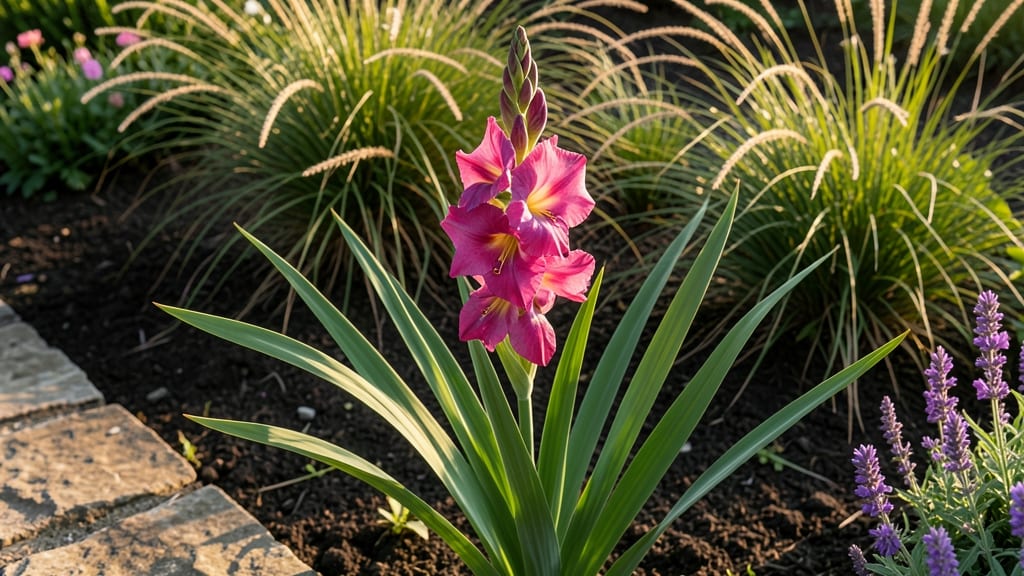
The gladiolus flowering season in late spring through fall 🌸 delivers jaw-dropping color—but nailing the timing means the difference between a stunning display and a missed opportunity. Picture this: You’ve spent weeks tending to your corms, only to watch them produce lush foliage but zero flowers.
That’s not laziness—it’s timing. Plant too early, and the heat zaps the buds before they open. Too late, and frost cuts the season short.
In Zone 6a, where many gardeners live, gladiolus flowering peaks from July to September, but warmer zones stretch that window into October. The secret? Planting in April or May—just before the soil warms—and choosing varieties that match your climate.
Below, I’ll break down the exact months for your zone, how to stagger blooms for a continuous display, and the 3 biggest mistakes that kill flowers before they open. No more guessing—just guaranteed color.
Gladiolus flowering months by USDA hardiness zones (exact schedule)
Timing your gladiolus blooms depends entirely on your USDA hardiness zone. These dramatic summer flowers thrive when planted at the right time, but their flowering window shifts dramatically from cooler northern zones to warm southern climates.
Let’s break down the exact months you can expect vibrant blooms based on where you garden.
In cooler zones (3-5), gladiolus typically bloom late July through September, while warmer zones (8-11) may see flowers as early as May and extending into November.
The key is understanding how corm size and variety selection influence timing—larger corms and early varieties can push blooms weeks earlier in your zone.
🌸
If you live in Zone 6 or 7, you’ll likely see a second flush of blooms in late summer if you deadhead spent flowers promptly. This works because gladiolus corms store energy and can produce a second round of growth under the right conditions.
In warmer zones (8-11), you can even push blooms into winter by planting in fall—just protect them from hard freezes.
For northern gardeners (Zones 3-5), focus on late-season varieties like 'Green Star' or 'White Friendship' to extend your display. These types handle cooler temperatures better and often bloom 2-3 weeks later than early varieties.
In contrast, southern gardeners (Zones 9-11) should prioritize heat-tolerant varieties like 'Black Star' or 'Red Beauty' to avoid bolting in extreme heat.
One pro tip for all zones: Adjust your planting date by 2-3 weeks earlier in warmer microclimates (like near south-facing walls) to trigger earlier blooms. Conversely, delay planting by 1-2 weeks in cooler microclimates to avoid frost damage to emerging shoots.
Monitoring your local last frost date is critical—gladiolus corms need consistent warmth to sprout.
Don’t forget that soil temperature plays a role too. Gladiolus corms won’t sprout until the soil reaches 60°F (15°C). In Zone 4 or colder, wait until late May or early June to plant, even if your last frost was earlier.
The root system needs time to establish before the flowering spike emerges, so rushing can lead to weak stems and fewer blooms.
For container gardening, timing shifts slightly. Potted gladiolus in Zones 5-7 may bloom 1-2 weeks earlier than in-ground plants because containers warm up faster. However, they’ll also stop blooming sooner unless you fertilize heavily and provide consistent moisture.
In Zones 8-11, containers let you move plants to shadier spots during peak heat to prolong flowering.
Finally, deadheading spent blooms redirects energy to corm production, which can lead to a smaller second flush the following year. If you want to maximize next season’s blooms, let a few flowers go to seed—this ensures your corms will multiply naturally.
In Zones 9-11, you can even leave corms in the ground year-round for perennial-like performance, though they may need light winter mulch in Zone 9.
🌿
How to extend your gladiolus flowering season with smart planting
Gladiolus flowers are summer’s showstoppers, but their blooms can feel fleeting if you plant all your corms at once. The secret to a longer flowering season lies in strategic planting—staggering succession plantings and choosing the right corm sizes can turn a two-week display into a two-month spectacle.
With a few simple adjustments, you can enjoy gladiolus blooms from late July through September, even in the same garden bed.
Most gardeners make the mistake of planting all their gladiolus corms at the same time, which results in a short, intense burst of color followed by bare stems. Instead, think like a professional florist: plant in two or three waves, spaced 2-3 weeks apart.
This creates a rolling bloom effect that keeps your garden vibrant. Pair this with heat-tolerant varieties for late-season color, and you’ll have a garden that never stops impressing.
- Stagger Planting Dates: Plant 1/3 of corms every 2-3 weeks for continuous blooms. Example: First batch in mid-April, second in early May, final batch in late May.
- Choose Corm Sizes: Large corms bloom 2-3 weeks earlier than small ones. Plant large corms first, then medium, then small for a sequential display.
- Select Heat-Tolerant Varieties: For late-season blooms, opt for ‘Green Gables’ or ‘Black Star’, which thrive in hotter temperatures and extend flowering into September.
- Leverage Microclimates: Plant early bloomers in cooler, shaded spots and late bloomers in sunnier, warmer areas to sync blooms with seasonal shifts.
- Deadhead Strategically: Remove spent blooms daily to redirect energy to new flower production and prolong each stem’s display by 1-2 weeks.
Not all gladiolus varieties play well together when it comes to temperature tolerance. Early-season bloomers like ‘Picasso’ or ‘White Prosperity’ thrive in cooler spring conditions but may struggle in mid-summer heat.
For a heat-proof garden, save these for Zone 5-7 and focus on ‘Dixie’ series varieties in Zones 8-10, which handle 90°F+ temperatures without wilting.
Microclimates are your secret weapon for extending the season. A south-facing bed will bloom 2 weeks earlier than a north-facing one, while a raised bed warms up faster in spring.
Use these environmental differences to your advantage: plant early bloomers in shadier spots (like under a dwarf fruit tree) to delay their heat exposure, and late bloomers in full sun to push their season as long as possible.
Finally, don’t overlook the power of corm size. A large corm (2+ inches) will produce 2-3 stems and bloom 3-4 weeks earlier than a small corm (1 inch).
To create a gradual progression, plant large corms first, followed by medium, then small in 2-week intervals. This simple trick ensures you’re always harvesting fresh blooms, even as the first stems finish.
With these proven techniques, your gladiolus garden will become a season-long masterpiece, not a fleeting summer flash. Start planning your planting waves now, and get ready to enjoy cut flowers from July through October—long after your neighbors’ glads have faded. Happy gardening! ✂️